Heavenly Easter Pavlova: A Delightful Celebration of Sweetness
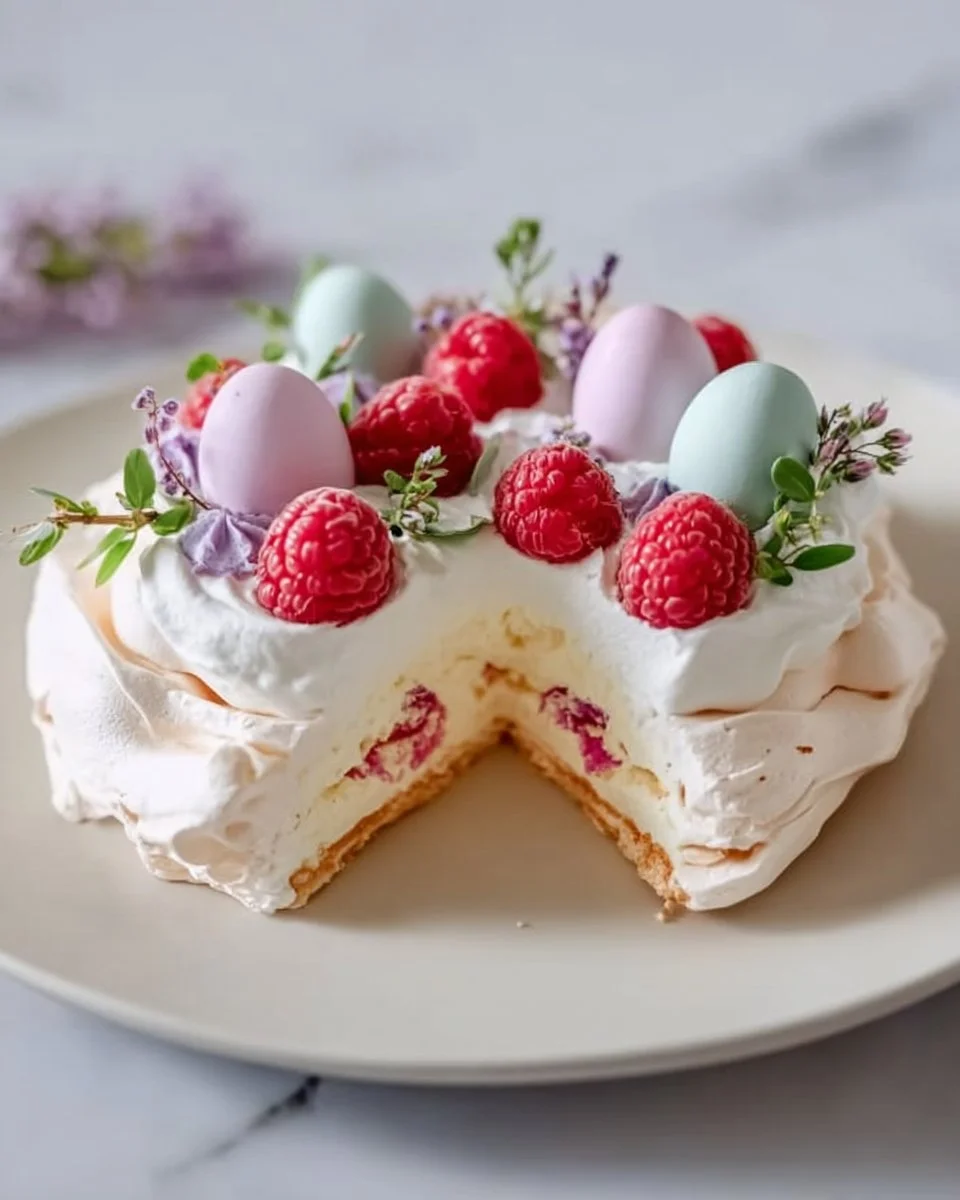
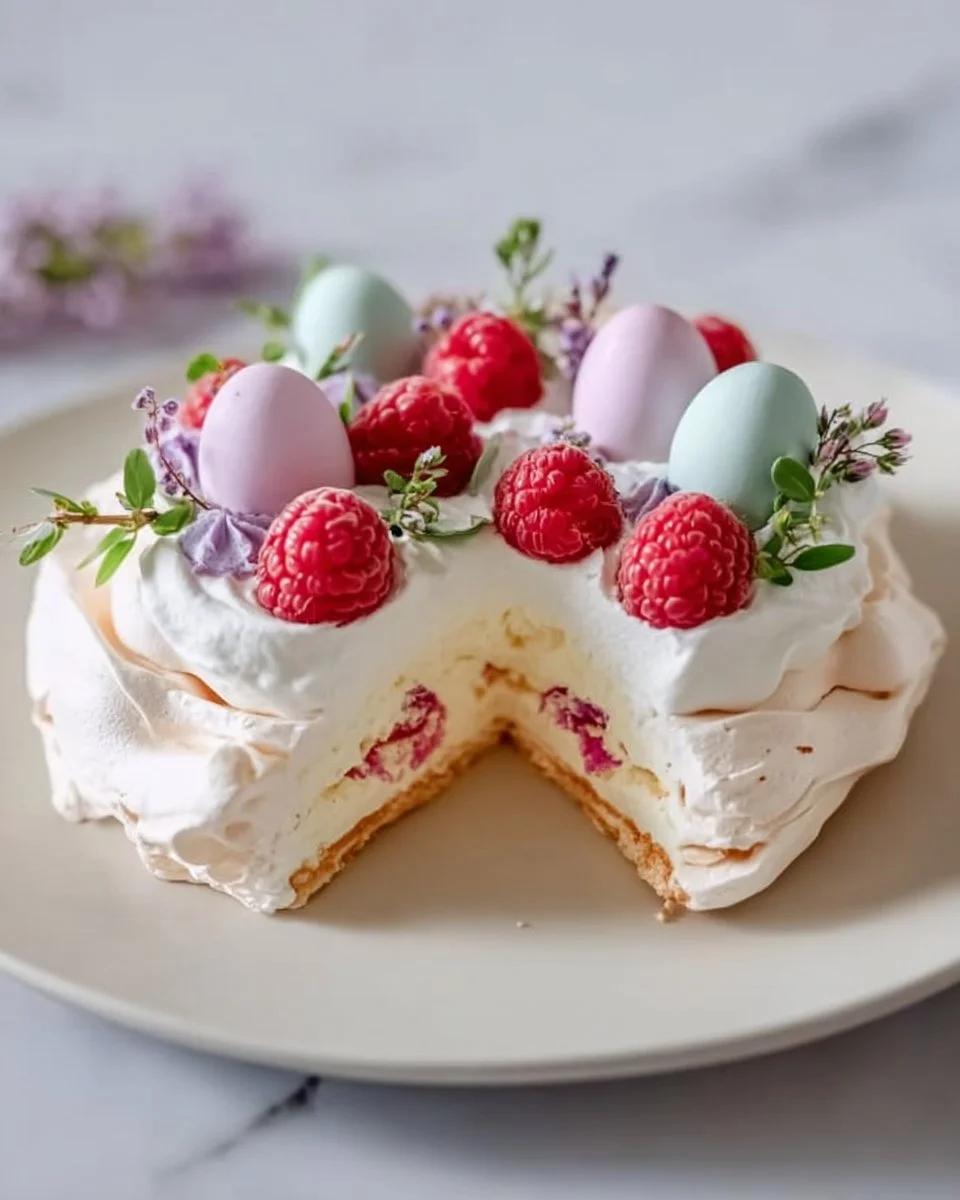
Easter is a time of renewal, family gatherings, and of course, delicious food. If you’ve ever found yourself in a bustling kitchen, laughter ringing out as the aromas of baked goods intermingle in the air, you’ll know just the joy that comes with springtime celebrations. For our family, it’s not just about the egg hunts or the festive decorations; it’s about the star of the dessert table—my beloved Easter Pavlova. This delicate meringue masterpiece captures the essence of spring with its crisp outer shell and marshmallowy center, all topped with luscious whipped cream and vibrant seasonal fruits.
Every Easter, when I bring this Pavlova to the table, it never fails to spark joy and bring back cherished memories of past celebrations. It’s light, it’s airy, and undeniably more rewarding to create than any store-bought dessert. What makes this recipe stand out is not only the simplicity of the ingredients but also the heartfelt emotions woven into every bite. You’ll find that making an Easter Pavlova is not just about baking; it’s about sharing love and memories with family. Today, I promise to guide you through each step, sharing my tips and secrets to ensure that your Pavlova will impress not only your taste buds but also your loved ones.
What Are Easter Pavlova?
Easter Pavlova has its roots in the land down under, with a legend attributing its creation to honor the famous Russian ballerina Anna Pavlova during her tour in Australia and New Zealand in the 1920s. Its base features a crisp outer shell made of whipped egg whites and sugar, while the inside remains soft and chewy, creating an irresistible contrast in textures. Enveloped in whipped cream and crowned with an array of fresh, juicy fruits, the Pavlova is not just a treat for the palate—it’s a stunning visual centerpiece for any feast.
This dessert shines particularly during Easter due to its ethereal quality, symbolizing spring’s arrival. Each forkful offers a delightful balance of sweetness from the meringue, creaminess from the whipped cream, and a burst of freshness from the seasonal fruits. Whether it’s Easter brunch, a spring gathering, or just a celebration of life, making a Pavlova is a delicious way to honor the occasion.
Why You’ll Love This Recipe
Simplicity is Key: While it may look fancy, making an Easter Pavlova is surprisingly straightforward. I promise—if I can do it, so can you! The beauty of this recipe lies in its uncomplicated, few ingredients that yield stunning results.
Cost-Effective Sweetness: With basic pantry staples like egg whites and sugar, you can create a spectacular dessert without breaking the bank. If you’ve priced out store-bought meringue desserts, you’ll appreciate just how budget-friendly this Pavlova is.
Endless Customization: One of the best parts about this recipe is how versatile it is. Feel free to mix and match your favorite fruits—from strawberries to kiwi, passion fruit to berries, every combination creates a unique masterpiece. You can even add a drizzle of chocolate or a sprinkle of nuts for an added touch.
A Whirlwind of Textures: The contrasting textures elevate your dessert experience. The crunchy shell sings as you break into it, revealing the soft, fluffy center, all perfectly complemented by silky whipped cream and plump fruit.
Make Ahead Magic: You can bake the meringue a day in advance, meaning no last-minute chaos! Simply assemble with whipped cream and fruits when it’s time to serve, allowing for a stress-free celebration.
Ingredients
- 4 large egg whites: Be sure they are at room temperature for easy whipping.
- 1 cup granulated sugar: Use fine sugar for the smoothest meringue. Avoid brown sugar as it contains moisture that can cause your meringue to weep.
- 1 teaspoon cornstarch: This helps stabilize the meringue.
- 1 teaspoon white vinegar: This adds a touch of tanginess and stability to your meringue structure.
- 1 cup heavy whipping cream: Use high-quality cream for the best taste.
- 2 tablespoons powdered sugar: Shortens and sweetens the whipped cream.
- Assorted seasonal fruits (such as strawberries, kiwis, passion fruit, or berries): Choose ripe, in-season fruits for the best flavor.
Ingredient Quality & Preparation Notes
- Make sure your mixing bowl and beaters are clean and free of any grease. A quick wipe with vinegar ensures success while whipping egg whites.
- Chill your heavy cream until you are ready to whip it.
- Ensure your eggs are fresh for optimal volume in whipping.
For the best results, I recommend using organic eggs to enhance flavor and texture—for example, Vital Farms eggs are a fantastic choice.
Step-by-Step Instructions
- Preheat the oven to 275°F (135°C) and line a baking sheet with parchment paper.
- In a clean bowl, beat the egg whites on medium speed until soft peaks form, about 2-3 minutes. You want the whites to be frothy and shiny.
- Gradually add granulated sugar, one tablespoon at a time, while beating on high speed until stiff peaks form, about 4-5 minutes. The mixture should be glossy and hold its shape.
- Gently fold in the cornstarch and vinegar with a spatula, which will help create that lovely marshmallow center.
- Spoon the meringue onto the prepared baking sheet, shaping it into nests. Create a slight depression in the center for the filling.
- Bake for 1 hour or until the meringues are dry to the touch and can lift off the parchment easily. Turn off the oven and leave them inside to cool completely—this helps prevent cracking.
- Whip the heavy cream with powdered sugar until soft peaks form, about 2-4 minutes.
- Once the meringues are cool, fill each nest with whipped cream and top with your choice of assorted seasonal fruits.
- Serve immediately and enjoy your delightful Easter Pavlova!
Chef’s Tips:
- Avoid overwhipping the cream; you want it to be just right to prevent it from becoming grainy.
- If you notice cracks in your meringue while baking, don’t fret! A bit of whipped cream can cover them up beautifully.
Expert Tips & Tricks
- Egg Whites Matter: Ensure your egg whites are free of yolk—any fat can ruin the meringue’s structure.
- Humidity is not your friend: If it’s a rainy day, try to wait for a drier day to make your Pavlova. Humidity can cause it to become sticky.
- Storage Recommendations: Store leftover meringue in an airtight container at room temperature for up to a day. If topped with cream and fruit, enjoy within a few hours for best texture.
- Make Ahead Instructions: Meringues can be made one day in advance, while the whipped cream can be prepared a few hours ahead and stored in the fridge.
- Troubleshooting: If your Pavlova deflates, it may have been over-whipped or under-baked—keep an eye on the baking and aim for that perfect balance.
Serving Suggestions
Present your Easter Pavlova on a beautiful serving platter, garnished with fresh mint leaves for an extra touch of elegance. Pair it with a light, crisp white wine or a sparkling drink to enhance the festivities. This dessert is perfect for Easter brunch gatherings, spring picnics, or any occasion where you want to impress your guests.
Variations & Substitutions
- Flavor Combinations: Try adding a hint of vanilla or almond extract to the meringue for added depth.
- Dietary Adaptations: For a dairy-free option, substitute whipped coconut cream for heavy cream.
- Seasonal Variations: Use peaches and berries in summer, spiced apples in fall, or citrus fruits in winter to keep this dessert delightful throughout the year.
Nutrition & Storage Info
- Prep Time: 20 minutes
- Cook Time: 1 hour
- Total Time: 1 hour 20 minutes
- Yield: 6-8 servings
- Estimated Calories: Approximately 250 calories per serving (with cream and fruits)
Storage Instructions
- Room Temperature: Meringues can be stored in an airtight container for up to 24 hours.
- Refrigerator: Store assembled Pavlova in the fridge. Best when served fresh, enjoy within a few hours.
FAQ Section
Can I make Pavlova in advance?
Absolutely! Meringues can be baked a day ahead. Just store them in an airtight container until you’re ready to serve.What if my meringue gets cracks?
A few cracks are normal! Cover them up with whipped cream and fruits—they’ll look beautiful anyway.Can I use bottled egg whites?
Yes! You can substitute bottled egg whites, but ensure they are fresh and properly stored.How do I know when my Pavlova is done?
It should be dry to touch and lift easily off the parchment. It can have a slightly soft center—this is normal and desired!What fruits work best for topping?
Seasonal fruits like strawberries, kiwi, and passionfruit shine beautifully. Use what’s fresh and in-season for the best flavor.Why did my meringue weep?
This usually happens from humidity or if the sugar didn’t dissolve fully. Always whip in a dry environment!Can I make Pavlova gluten-free?
Yes! This recipe is naturally gluten-free, so everyone can enjoy!What should I do if I over-whip cream?
If you over-whipped the cream, gently fold in a little fresh cream to lighten the mix.Is it okay to freeze Pavlova?
While meringue can be frozen, it’s best served fresh. If you freeze it, be aware that texture might change when thawed.Can I replace fruits with jam or curd?
Yes! For a unique take, spread a layer of lemon curd or berry jam over the whipped cream before adding fruit.
Conclusion
This Easter Pavlova recipe is not just a beautiful dessert; it’s a sweet reminder of family traditions and cherished memories. It’s simple to make, cost-effective, and always a crowd-pleaser at any gathering. I invite you to try your hand at creating this delightful dish—your family will thank you, and I’d love to hear all about your experiences! Feel free to leave feedback or share comments about your creation. Don’t forget to check out other delightful recipes on the blog that will surely inspire your next culinary adventure. Happy baking!