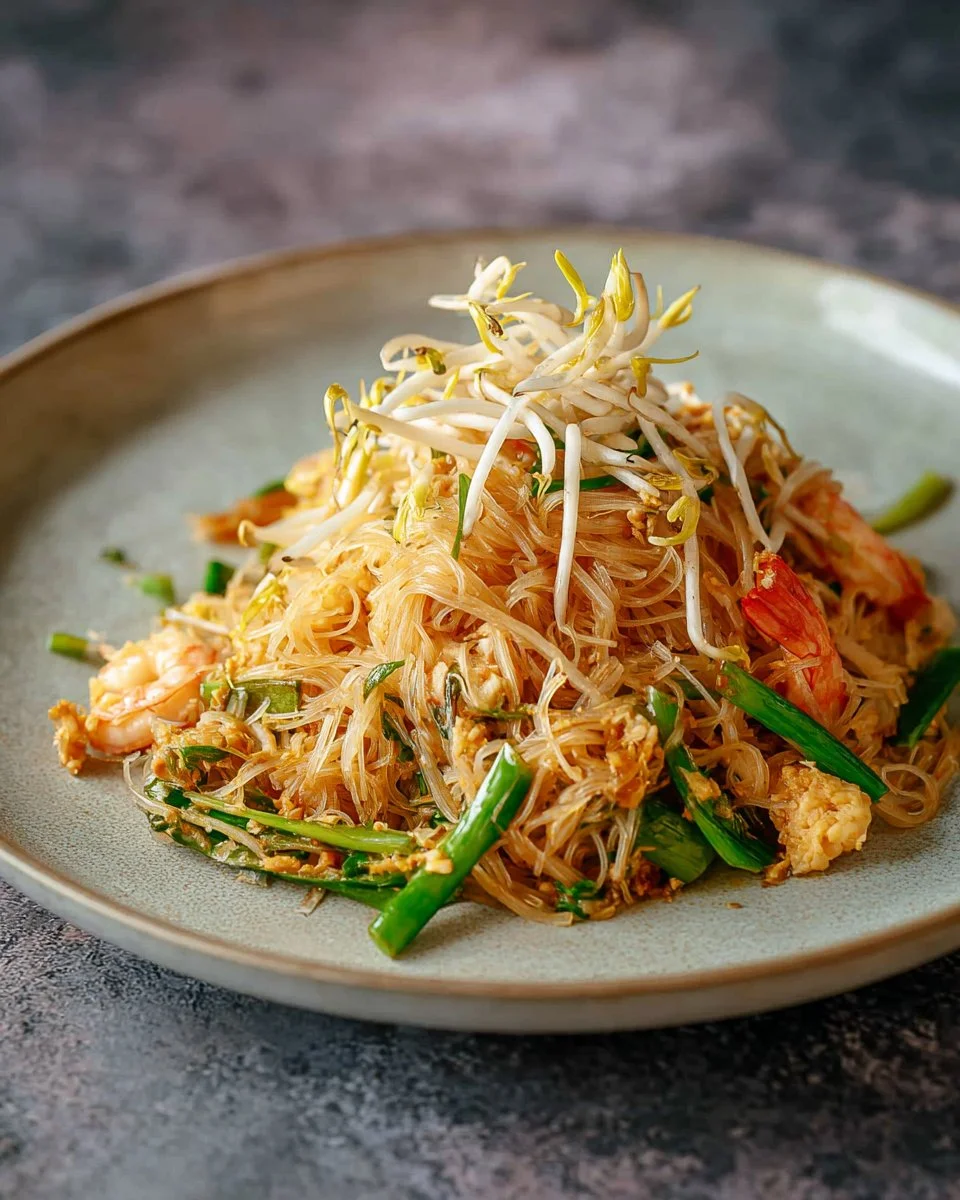
Discover the Ultimate Easier and Healthier Pad Thai Recipe
Introduction
Growing up, my family had a special tradition: Friday night meant Pad Thai. My mom would whip up a restaurant-quality dish from the comfort of our kitchen, and the mouthwatering aroma filled our home, drawing us together around the table. But as I got older, I craved a version that didn’t compromise my health while still delivering that nostalgic flavor. That’s when I created my Easier and Healthier Pad Thai recipe!
What’s so special about it? For starters, it captures all the traditional flavors of Pad Thai with less oil and sugar, so you can enjoy every bite without the guilt. Unlike many takeout versions that can leave you feeling heavy, this recipe is lighter yet packed with protein and fresh ingredients. You won’t just be following a recipe; you’ll be embracing a comforting culinary connection that brings family and friends together.
By the end of this post, you’ll learn how to prepare this delightful dish that simplifies your cooking process and elevates your dining experience. So, let’s get those taste buds dancing!
What are Easier and Healthier Pad Thai?
Pad Thai is a beloved street food from Thailand, known for its vibrant blend of sweet, sour, and savory flavors. Made primarily with rice noodles, tamarind, and protein, this dish boasts a delightful texture—and when made right, it ignites your senses with its enticing aromas.
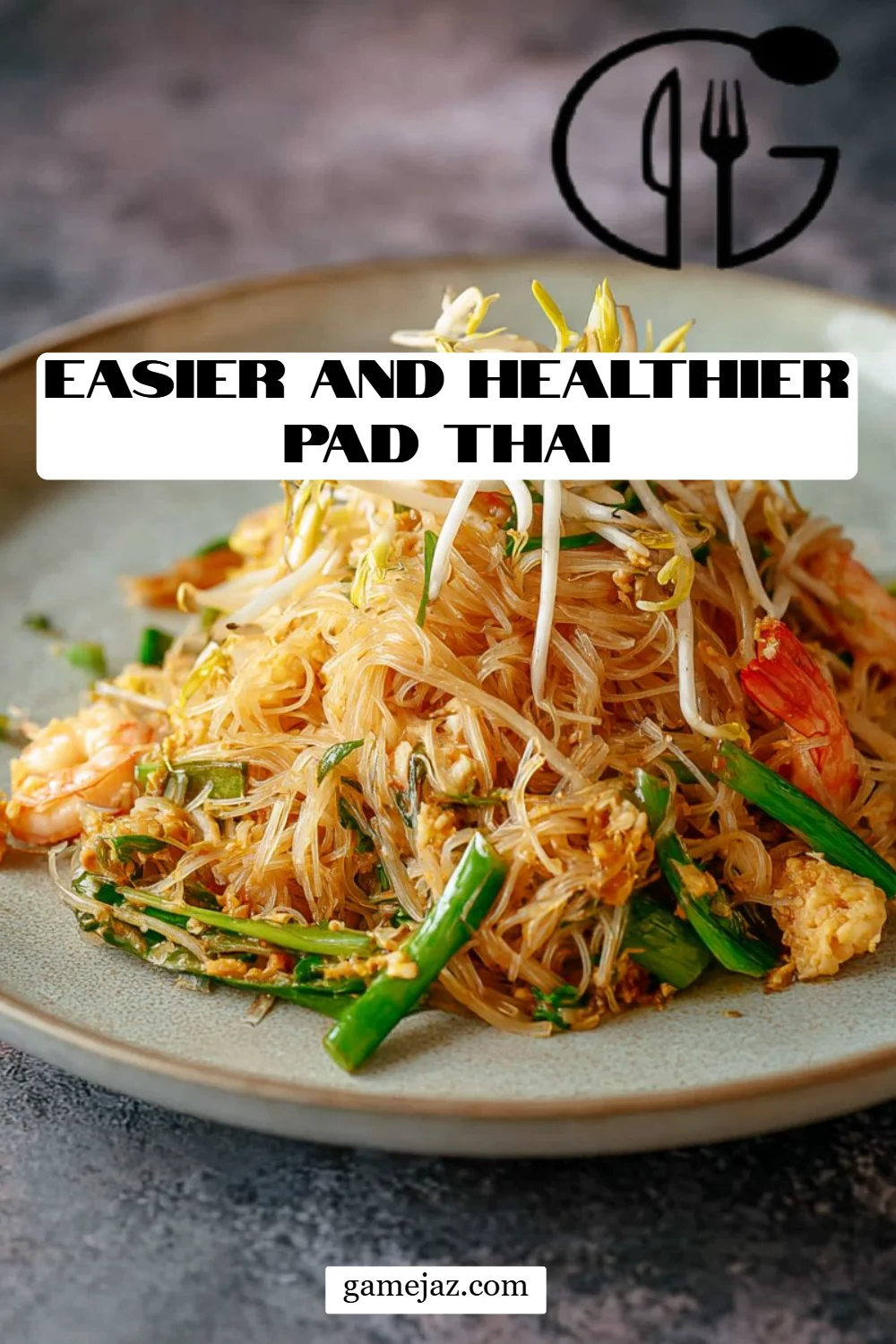
This Easier and Healthier Pad Thai stands out due to its fresh ingredients and a balanced flavor profile that lets you savor every bite without feeling sluggish afterward. With the added benefit of being customizable, it’s perfect for any occasion—from quick weeknight dinners to impromptu gatherings with friends. You can make it vegetarian, swap proteins, or add extra veggies depending on your cravings.
Why You’ll Love This Recipe
-
Healthier Ingredients: Unlike take-out options packed with sodium and unhealthy fats, this recipe uses wholesome ingredients to create a dish that’s not only tasty but nourishing.
-
Cost-Effective: Why spend money at a restaurant when you can create this delicious meal at home with affordable ingredients? You’ll save a bundle while impressing everyone around your dinner table.
-
Ultimate Customization: This recipe caters to various taste preferences and dietary restrictions—feel free to switch out shrimp for chicken or tempeh for a plant-based delight!
-
Easy to Make: Even if you’re a beginner in the kitchen, this Easier and Healthier Pad Thai is straightforward and requires minimal culinary skills. Within just 30 minutes, you’ll have an impressive dish ready to serve.
-
Family Favorites: This is a dish that brings everyone together. Trust me when I say that one taste of this flavorful Pad Thai and your family will be asking for it weekly!
Ingredients
- 3 1/2 tablespoon palm sugar, finely chopped
- 3 tablespoon water
- 4 tablespoon tamarind paste
- 2 1/2 tablespoon fish sauce
- 12 medium shrimp (head-on if possible for flavor)
- 1/3 cup neutral oil (I prefer canola or grape seed for a subtle taste)
- 3 tablespoon chopped shallots
- 3 cloves garlic, chopped
- 85 g pressed tofu, cut into small pieces
- 1/2 teaspoon chili flakes (or to taste)
- 2.8 oz glass noodles, soaked and drained
- 1/4 cup water (to help absorb flavors)
- 2 large eggs
- 4 oz bean sprouts (about 2.5 cups)
- 2.5 oz garlic chives, cut into 2-inch pieces
- 1/4 cup roasted peanuts, chopped
- 1 lime (for that zesty finish)
Prep Notes:
- Use fresh ingredients for the best flavor.
- If substituting, choose high-quality brands for similar taste results.
- Ensure that your noodles are soaked properly to allow even cooking.
Step-By-Step Instructions
-
Prepare the Pad Thai sauce: In a small pot, warm the palm sugar over medium heat, stirring until it’s melted and caramelized (about 3-5 minutes). Once it reaches a golden color, turn off the heat and mix in water, fish sauce, and tamarind paste. Set aside.
-
Optional shrimp oil: If you’re feeling adventurous, peel and devein the shrimp, reserving the heads. In a wok, heat 2 tablespoons of the neutral oil and sauté the heads until golden. Strain and keep the oil aside for added seafood flavor.
-
For Pad Thai: Heat the wok over high heat, adding the shrimp oil (or additional neutral oil if you skipped the shrimp heads). Add in the shrimp and cook until they are halfway done—about 2 minutes. Remove the shrimp and set aside.
-
Sauté the aromatics: To the wok, add more oil if needed, along with shallots, garlic, tofu, and chili flakes. Sauté for 2 minutes until fragrant.
-
Add the noodles: Toss in the soaked glass noodles, then pour in the pre-made sauce and 1/4 cup water. Stir until everything is evenly coated and absorbed—about 3-5 minutes.
-
Scramble the eggs: Push the noodles aside to make room for the eggs. Crack the eggs directly into the wok and scramble lightly before tossing them with the noodles as they begin to set.
-
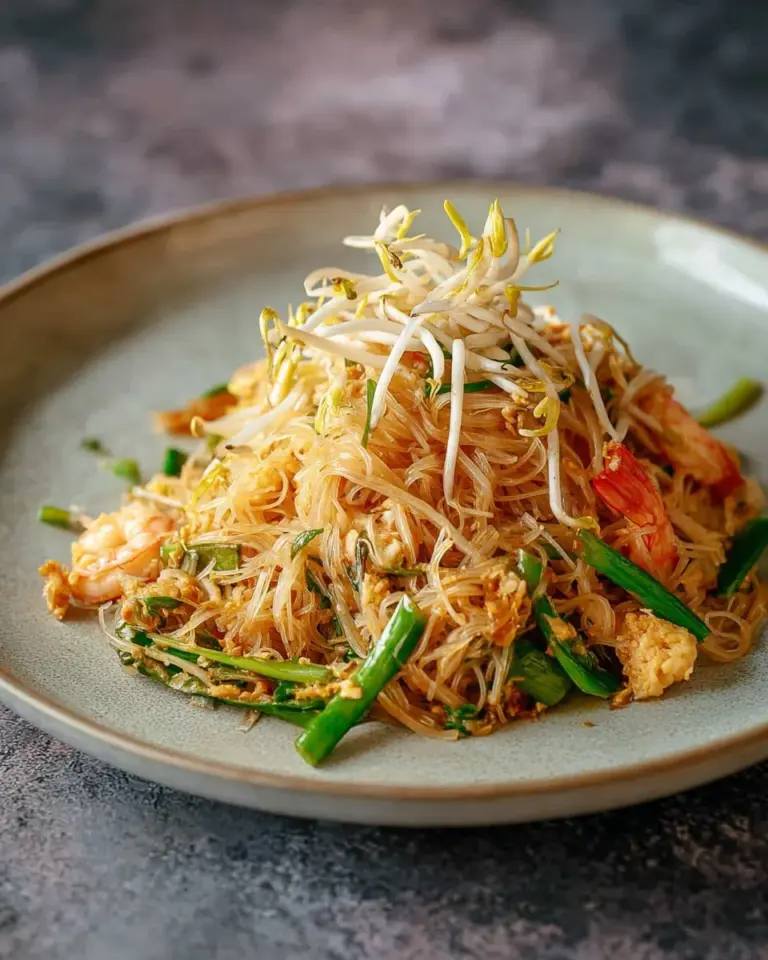
Finish the dish: Fold in the cooked shrimp, bean sprouts, garlic chives, and half of the chopped peanuts. Serve with lime wedges and sprinkle more peanuts on top for that crunch.
Chef’s Tips:
- Ensure the wok is hot enough before adding ingredients to enhance the flavors.
- Don’t overcrowd the pan; it can lead to steaming rather than stir-frying!
Expert Tips & Tricks
- Storage: Leftovers can be stored in an airtight container for up to 2 days in the fridge. Reheat on low heat and add a splash of water to refresh.
- Make-Ahead: Prepare the sauce and soak the noodles beforehand for quicker assembly later.
- Troubleshooting: If your sauce is too thick, add a little more water gradually until it reaches the desired consistency.
Serving Suggestions
Wondering what to serve alongside your Easier and Healthier Pad Thai? A refreshing cucumber salad drizzled with lime juice complements the meal perfectly. For a sweet finish, try coconut sorbet!
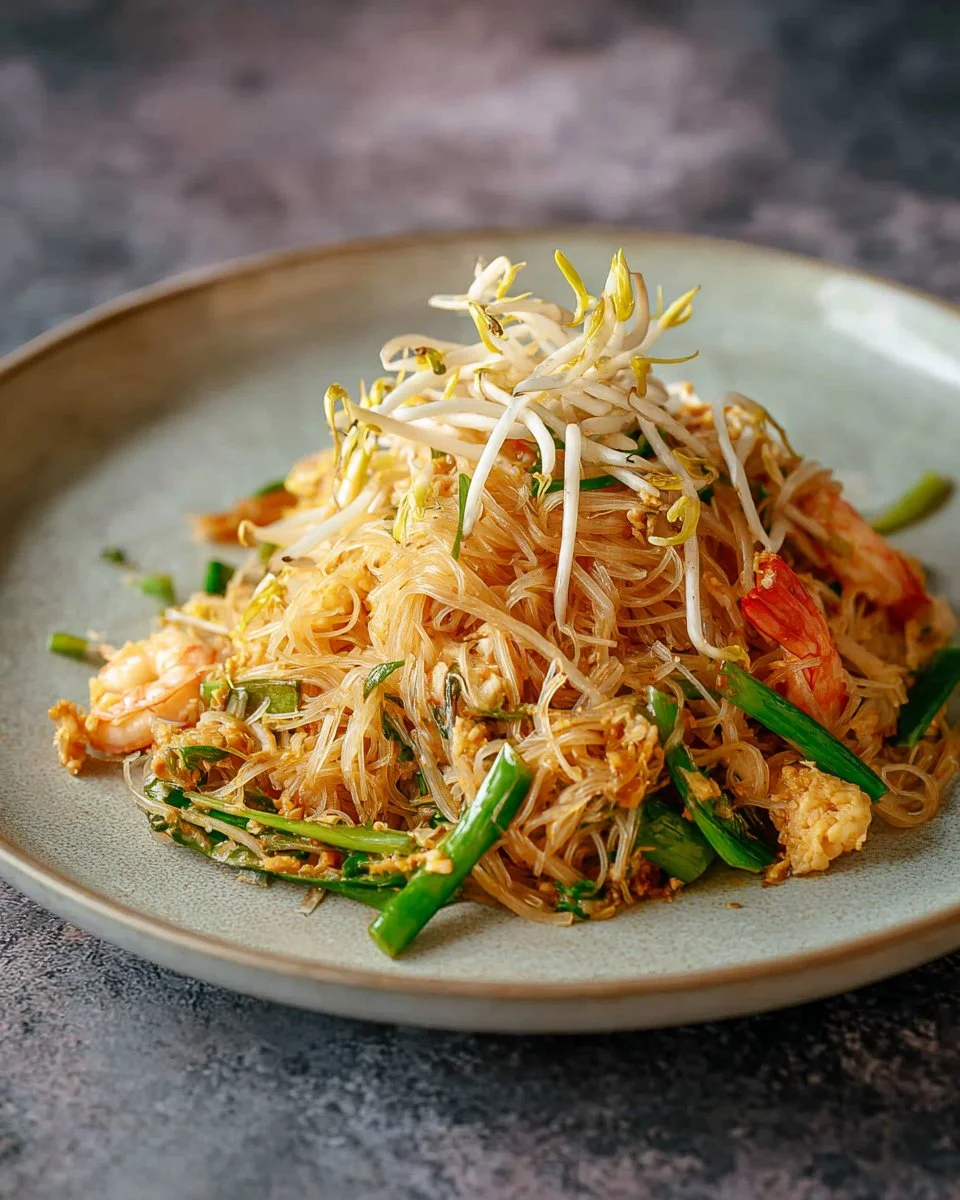
Presentation is key—serve it in a large bowl garnished with a sprinkle of chopped peanuts and a wedge of lime on the side. This makes every dining experience feel special!
Variations & Substitutions
- Flavors: You can switch the protein to chicken, beef, or keep it vegetarian with extra veggies.
- Dietary Needs: Use gluten-free noodles or omit fish sauce for a vegan alternative, opting for soy sauce or coconut aminos instead.
Nutrition & Storage Info
- Prep time: 15 minutes
- Cook time: 15 minutes
- Total time: 30 minutes
- Yield: Serves 3-4
- Estimated calories: Approximately 450 calories per serving.
- Storage: Keep leftovers in the fridge for up to 2 days; it’s best fresh!
FAQ Section
-
Can I make this dish vegan?
Absolutely! Substitute shrimp with tofu or tempeh and use a plant-based fish sauce or soy sauce. -
What if I can’t find tamarind paste?
If tamarind is unavailable, you can substitute with lime juice and brown sugar, although the flavor will slightly differ. -
How do I make it spicy?
Increase the amount of chili flakes, or toss in some sliced fresh chilies while cooking! -
Is Pad Thai gluten-free?
Regular rice noodles are gluten-free, but always check if you’re using soy sauce or fish sauce. -
Can I freeze Pad Thai?
I don’t recommend freezing; noodles can become mushy after thawing. It’s best enjoyed fresh! -
Can I use quinoa or another noodle type?
Yes! Quinoa or other types of gluten-free noodles are a great alternative. Just follow the cooking instructions accordingly. -
What’s a good side dish?
A light cucumber salad or Asian slaw pairs perfectly to balance the flavors. -
How do I add more vegetables?
Feel free to toss in bell peppers, broccoli, or carrots during the sauté step for more color and nutrition! -
Is this recipe kid-friendly?
Definitely! The flavors are mild and customizable to suit little ones’ tastes. -
What’s the best way to eat Pad Thai?
I adore my Pad Thai topped with crushed peanuts and a squeeze of lime—it adds the perfect finishing touch!
Conclusion
In a world where convenience often trumps quality, this Easier and Healthier Pad Thai shines through as a wholesome, nourishing meal that the whole family will love. I encourage you to try this recipe, and I promise you won’t regret it!
Feel free to drop a comment or feedback. Let me know how your cooking adventure went! For more delicious recipes, don’t forget to explore my blog, where you’ll find fellow favorites that will elevate your at-home dining experience. Happy cooking!
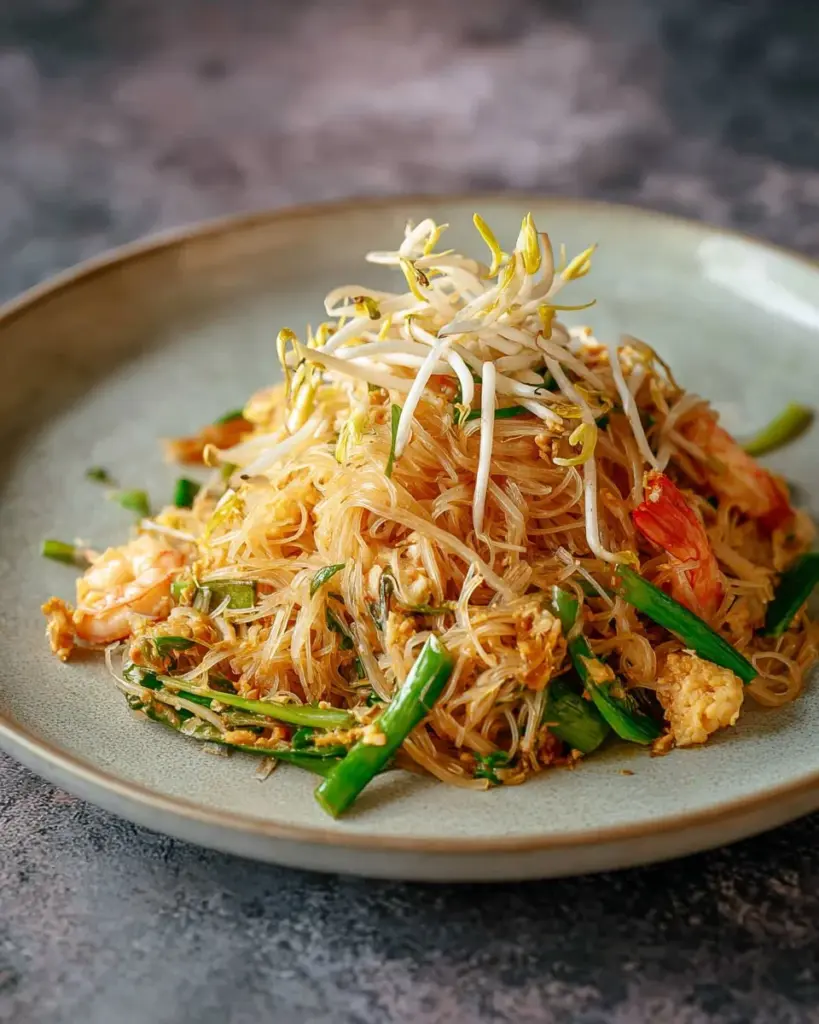
Easier and Healthier Pad Thai
Ingredients
Method
- In a small pot, warm the palm sugar over medium heat, stirring until melted and caramelized (about 3-5 minutes). Once golden, turn off heat and mix in water, fish sauce, and tamarind paste. Set aside.
- Peel and devein the shrimp, reserving the heads. In a wok, heat 2 tablespoons of the neutral oil and sauté the heads until golden. Strain and keep the oil for added flavor.
- Add shrimp to the wok and cook until halfway done—about 2 minutes. Remove and set aside.
- To the wok, add more oil if needed, along with shallots, garlic, tofu, and chili flakes. Sauté for 2 minutes until fragrant.
- Toss in the soaked glass noodles, then pour in pre-made sauce and 1/4 cup water. Stir until evenly coated and absorbed—about 3-5 minutes.
- Push the noodles aside to make room for the eggs. Crack the eggs directly into the wok and scramble lightly before tossing them with the noodles.
- Fold in the cooked shrimp, bean sprouts, garlic chives, and half of the chopped peanuts. Serve with lime wedges and sprinkle more peanuts on top.