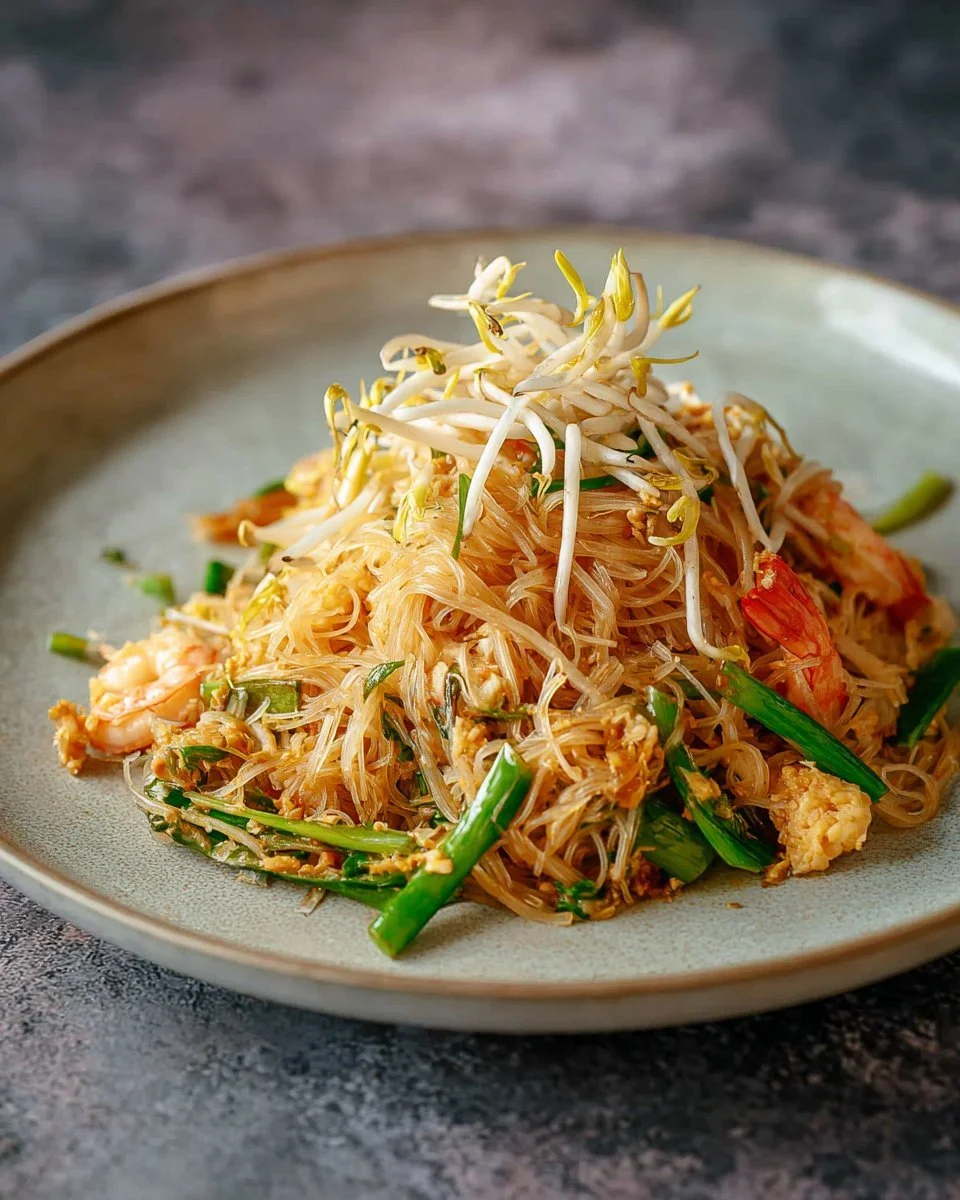
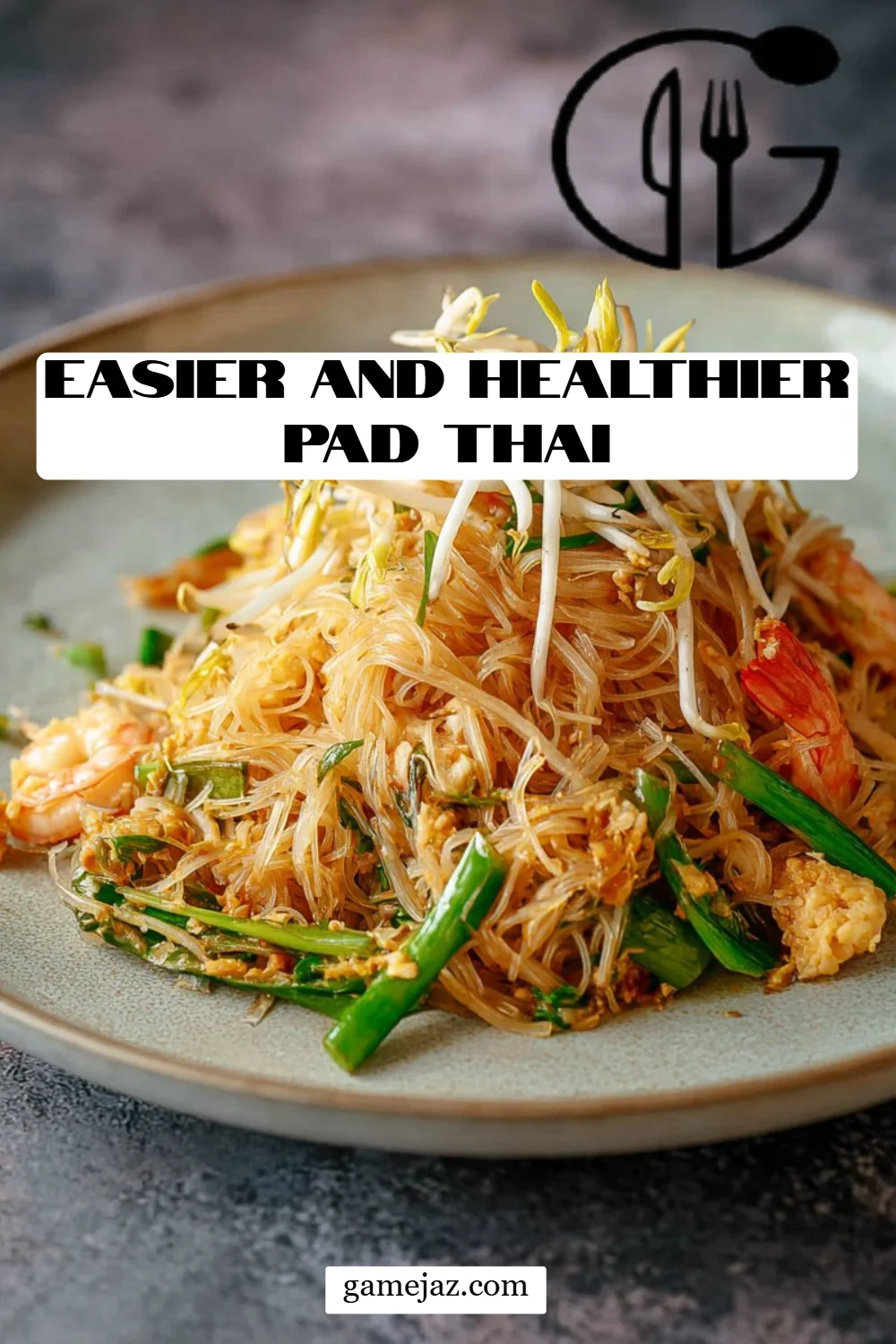
Discover the Joy of Easier and Healthier Pad Thai: A Flavorful Journey
Cooking is more than just preparing meals; it’s about creating memories and experiences that linger long after the last bite. I still remember the first time I tasted Pad Thai at a bustling street market during a summer trip to Thailand. The savory aroma wafted through the air, beckoning me closer. I took my first bite, and the perfect balance of sweet, sour, and umami exploded across my palate, wrapping me in a warm hug of comfort food. Years later, while I craved that same experience, I realized I wanted an Easier and Healthier Pad Thai that I could whip up in my own kitchen without sacrificing flavor or authenticity.
What makes this recipe special? It’s a delightful twist on the classic dish, packed with vibrant flavors and fresh ingredients, yet simplified to fit into our busy lives. Unlike many Pad Thai recipes that call for long lists of ingredients and hard-to-find items, this one focuses on accessible staples without compromising taste. Plus, you have the freedom to customize, making it a versatile dish for everyone. In this post, I’ll share my beloved recipe, so you can recreate that memorable experience and elevate your cooking game. Together, we’ll dive deep into the world of Easier and Healthier Pad Thai and discover how to make this comforting dish a part of your culinary repertoire.
What Are Easier and Healthier Pad Thai?
Pad Thai, a cornerstone of Thai cuisine, has its origins in the street food stalls of Thailand, where it was born out of necessity and innovation—combining rice noodles with whatever fresh ingredients were on hand. Typically, the dish features a medley of flavors: tangy tamarind, nutty peanuts, and spices that dance on the tongue. The textures range from chewy noodles to crunchy beansprouts, creating a delightful mouthfeel that keeps you coming back for more.
So, what makes my Easier and Healthier Pad Thai unique? It’s not just another recipe; it’s a celebration of flavors and textures that you can feel good about eating. Whether it’s a weeknight dinner or a lively gathering, this dish has you covered—quick, adaptable, and oh-so-satisfying. Plus, it’s a wonderful way to share moments with loved ones around the table, just like I did back in Thailand. So, when’s the best time to make it? Whenever you crave a little bit of comfort, a dash of adventure, or a gathering with friends!
Why You’ll Love This Recipe
Quick and Easy: This Easier and Healthier Pad Thai comes together in under 30 minutes! Satisfying your noodle cravings has never been so simple.
Customizable to a T: Whether you’re a vegetarian, a shrimp lover, or wanna go full-on meat feast, you can easily swap ingredients to make it your own. Try chicken, tofu, or a medley of seasonal veggies!
Cost-Effective: Why pay for overpriced takeout when you can whip up this flavorful dish at home with pantry staples? You’ll save money and still impress your guests.
Packed with Fresh Ingredients: With a mix of fresh veggies and protein, this recipe provides a nutritional boost that many takeout versions lack.
Satisfying and Nourishing: This Easier and Healthier Pad Thai is loaded with heartwarming flavors and textures that feel like a hug in a bowl. It’s comfort food that your taste buds—and body—can rejoice in!
Even if you’ve thought about picking up takeout, trust me when I say that you’ll be thankful for having homemade Easier and Healthier Pad Thai at your fingertips.
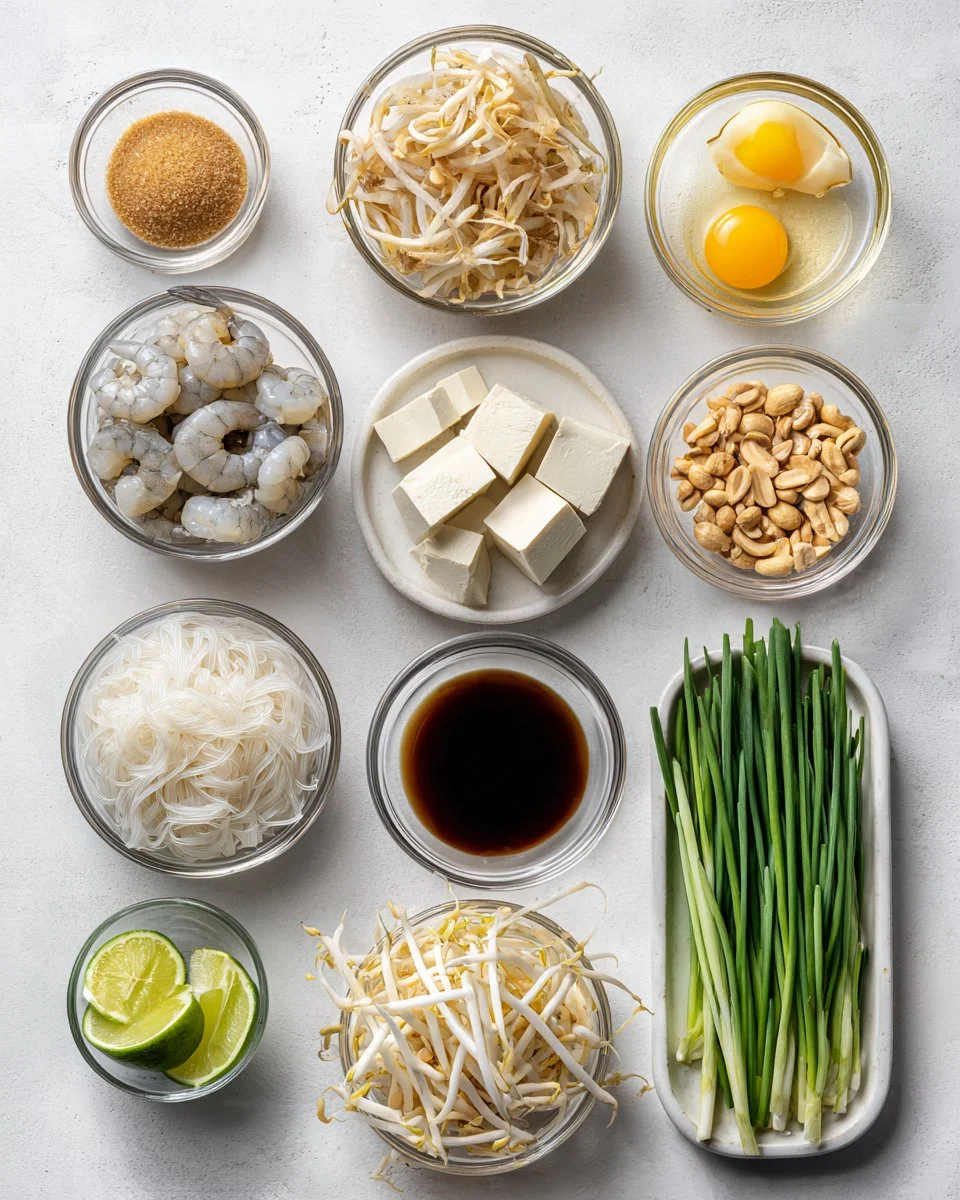
Ingredients
- 3 1/2 tablespoons palm sugar, finely chopped
- 3 tablespoons water
- 4 tablespoons tamarind paste
- 2 1/2 tablespoons fish sauce
- 12 medium shrimp, peeled and deveined
- 1/3 cup neutral oil (canola or grapeseed)
- 3 tablespoons chopped shallots
- 3 cloves garlic, chopped
- 85 g pressed tofu, cut into small pieces
- 1/2 teaspoon chili flakes (or to taste)
- 2.8 oz glass noodles, soaked and drained
- 1/4 cup water
- 2 large eggs
- 4 oz bean sprouts (about 2.5 cups)
- 2.5 oz garlic chives, cut into 2-inch pieces
- 1/4 cup roasted peanuts, chopped
- 1 lime, for serving
Ingredient Quality and Substitutions
- Palm Sugar: Offers a rich, caramelized sweetness. You can substitute it with brown sugar, but you might lose a bit of that authentic flavor.
- Tamarind Paste: This gives Pad Thai its signature tang. If it’s unavailable, you may use lime juice, but the flavor profile will differ.
- Shrimp and Tofu: Both create excellent sources of protein. Feel free to exchange shrimp for chicken or tempeh based on your dietary preferences.
Make sure to have all your ingredients prepped and ready before you start, especially the palm sugar, as it melts quickly.
Step-by-Step Instructions
Prepare the Pad Thai Sauce: In a small pot, combine the palm sugar, water, and tamarind paste over medium heat. Stir continuously until the sugar is melted and the mixture slightly thickens—about 5 minutes. Set this heavenly sauce aside.
Cook the Shrimp: Heat your wok over high heat and add a splash of oil. Once hot, toss in the shrimp and cook until they turn pink and are halfway done, around 2-3 minutes. Remove them from the pan and set aside.
Sauté Aromatics: In the same wok, add more oil if needed, then sauté chopped shallots, garlic, tofu, and chili flakes for 2 minutes until fragrant. You’ll know it’s ready when your kitchen starts to smell divine!
Add Noodles and Sauce: Toss in the soaked glass noodles, followed by the Pad Thai sauce and a 1/4 cup of water. Stir everything together and cook for an additional 2-3 minutes until the noodles absorb the sauce and everything is well-coated.
Scramble Eggs: Push the noodles to one side of the wok. Crack the eggs into the empty side and stir quickly to scramble. After they’re cooked through, mix them into the noodles.
Final Touches: Fold in the cooked shrimp, bean sprouts, garlic chives, and half of the chopped peanuts. Serve immediately with lime wedges and the remaining nuts on top for extra crunch.
Chef’s Tips
- Visual Cue: Watch the color of the shrimp turn from grey to pink; that’s the perfect moment to remove them from heat!
- Common Mistake to Avoid: Don’t overcook the noodles; they should retain some chewiness, so soak them just enough.
Expert Tips & Troubleshooting
Taste Test Your Sauce: Adjust the sweetness or tartness according to your preference. If you prefer it sweeter, add a touch more palm sugar.
Storage Recommendations: Leftovers can be stored in an airtight container in the fridge for up to 2 days. Reheat gently in a pan over medium heat, adding a splash of water if needed.
Make-ahead Instructions: You can prepare the sauce ahead of time and store it in the refrigerator for up to a week, making your cooking process even quicker.
Troubleshooting: If your noodles are sticking together, it might be because they were over-soaked. Test a strand for doneness before draining.
Essential Kitchen Tools: Have a wok or a non-stick skillet on hand for the best frying experience.
Serving Suggestions
This Easier and Healthier Pad Thai pairs wonderfully with a fresh side salad or Thai spring rolls for a complete meal. For presentation, consider serving it in a large bowl topped with vibrant lime wedges and a sprinkle of fresh herbs like cilantro or mint. It’s perfect for cozy nights in or to impress guests during casual get-togethers!
Variations & Substitutions
Flavor Combinations: For a twist, try adding pineapple chunks or bell peppers for a touch of sweetness and crunch.
Dietary Restrictions: This recipe can easily be vegan by omitting shrimp and eggs and incorporating extra veggies or vegan protein sources like chickpeas.
Seasonal Variations: Incorporate seasonal veggies, such as asparagus or snap peas, in spring or butternut squash in the fall for a different take on this classic dish.
Nutrition & Storage Info
- Prep Time: 10 minutes
- Cook Time: 20 minutes
- Total Time: 30 minutes
- Yield: Serves 4
- Estimated Calories per Serving: Approximately 450-500 calories
- Storage Instructions: Store leftovers covered at room temperature for up to an hour, then refrigerate for up to 2 days. For longer storage, freeze for up to a month and reheat directly from the freezer.
FAQ Section
Can I use different noodles instead of glass noodles?
Yes! Rice noodles are a popular alternative and will still provide that chewy texture.Is tamarind paste necessary for authenticity?
While it’s a key component for traditional flavors, you can use lime juice as a substitute if you’re in a pinch.How do I keep the noodles from clumping?
Be sure to soak them, not overcook them, and stir regularly during cooking to prevent sticking.Can I prep this ahead?
Yes! Prep your ingredients ahead of time to make cooking quicker when you’re ready to eat.What if my sauce is too thick?
Add a bit more water to achieve your desired consistency while cooking.How can I spice it up?
If you like heat, add extra chili flakes or fresh chopped Thai chilies for a kick!What if I can’t find palm sugar?
Brown sugar can work in a pinch, but it won’t replicate the authentic flavor as closely.Can I omit the seafood?
Absolutely! This Pad Thai is delicious as a vegetarian or even vegan dish without shrimp or eggs.What can I serve alongside Pad Thai?
Serve it with a refreshing cucumber salad, Thai iced tea, or spring rolls for an authentic experience.How can I make it gluten-free?
Ensure you use tamari instead of soy sauce and check your noodles for gluten-free options.
Conclusion
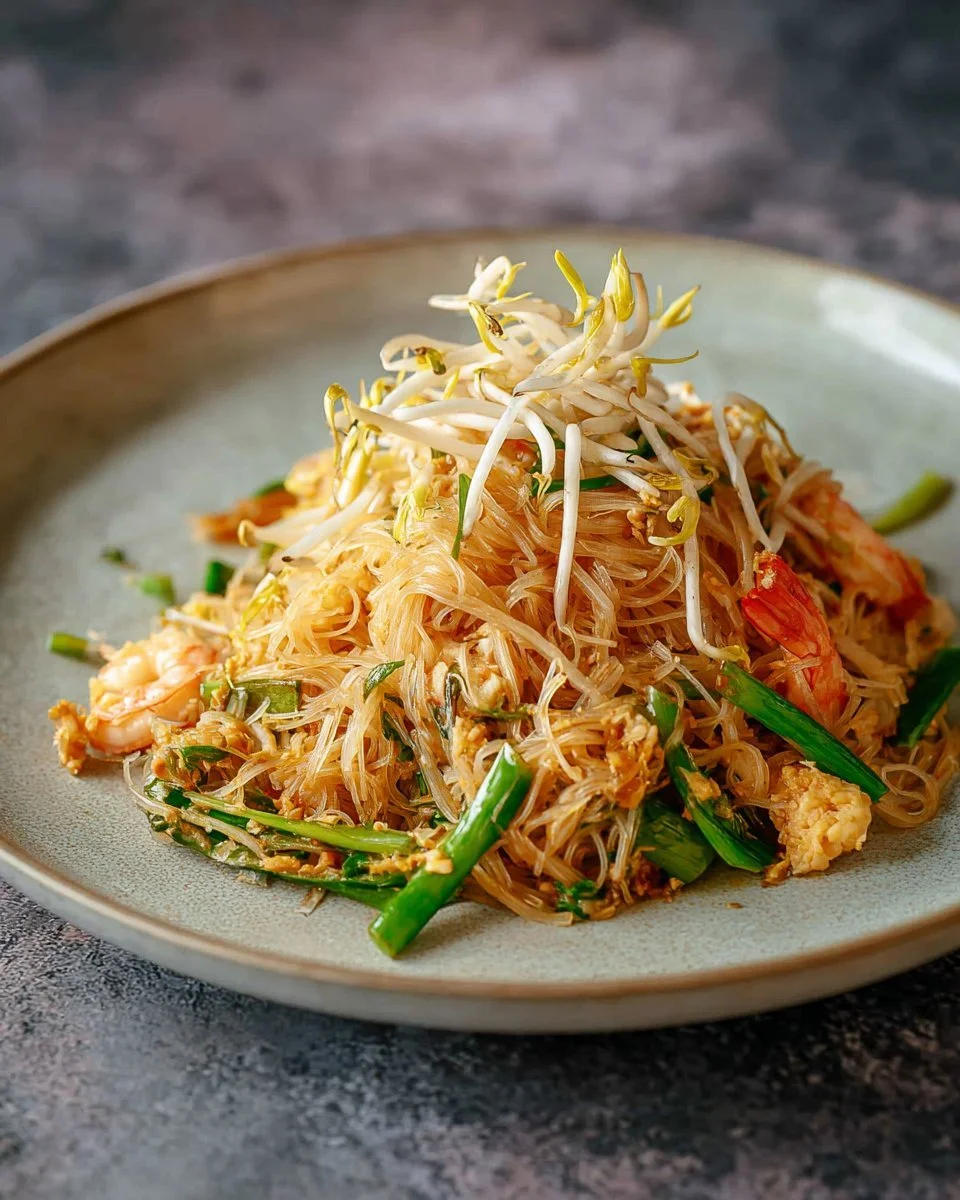
My Easier and Healthier Pad Thai is more than just a meal; it’s a celebration of flavors, nostalgia, and the connection we foster over food. I challenge you to try this out for yourself—it might just become your new fave weeknight dish, just as it has in my home. I’d love to hear your feedback! Share your thoughts in the comments and let me know if you’ve made tweaks—every kitchen deserves a personal touch. Don’t forget to check out my blog for more delicious recipes to fuel your culinary adventures!
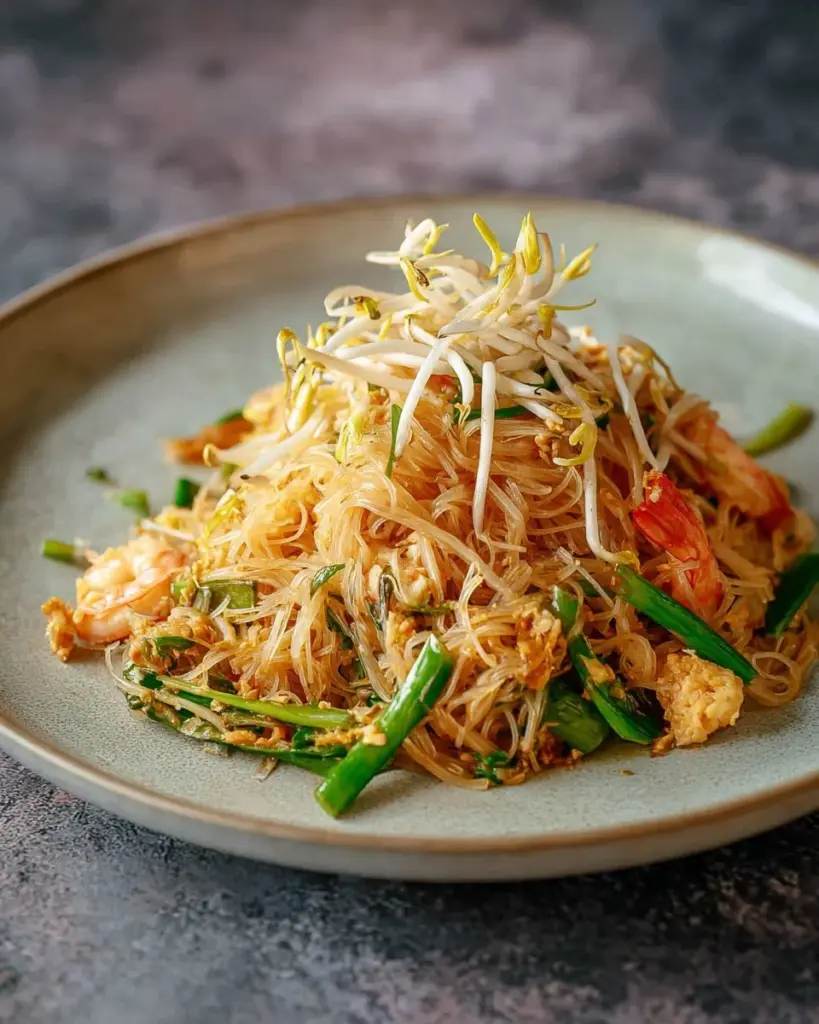
Easier and Healthier Pad Thai
Ingredients
Method
- In a small pot, combine the palm sugar, water, and tamarind paste over medium heat. Stir continuously until the sugar is melted and the mixture slightly thickens—about 5 minutes. Set this sauce aside.
- Heat your wok over high heat and add a splash of oil. Once hot, toss in the shrimp and cook until they turn pink and are halfway done, around 2-3 minutes. Remove them from the pan and set aside.
- In the same wok, add more oil if needed, then sauté chopped shallots, garlic, tofu, and chili flakes for 2 minutes until fragrant.
- Toss in the soaked glass noodles, followed by the Pad Thai sauce and a 1/4 cup of water. Stir everything together and cook for an additional 2-3 minutes until the noodles absorb the sauce.
- Push the noodles to one side of the wok. Crack the eggs into the empty side and stir quickly to scramble. After they’re cooked through, mix them into the noodles.
- Fold in the cooked shrimp, bean sprouts, garlic chives, and half of the chopped peanuts. Serve immediately with lime wedges and the remaining nuts on top.