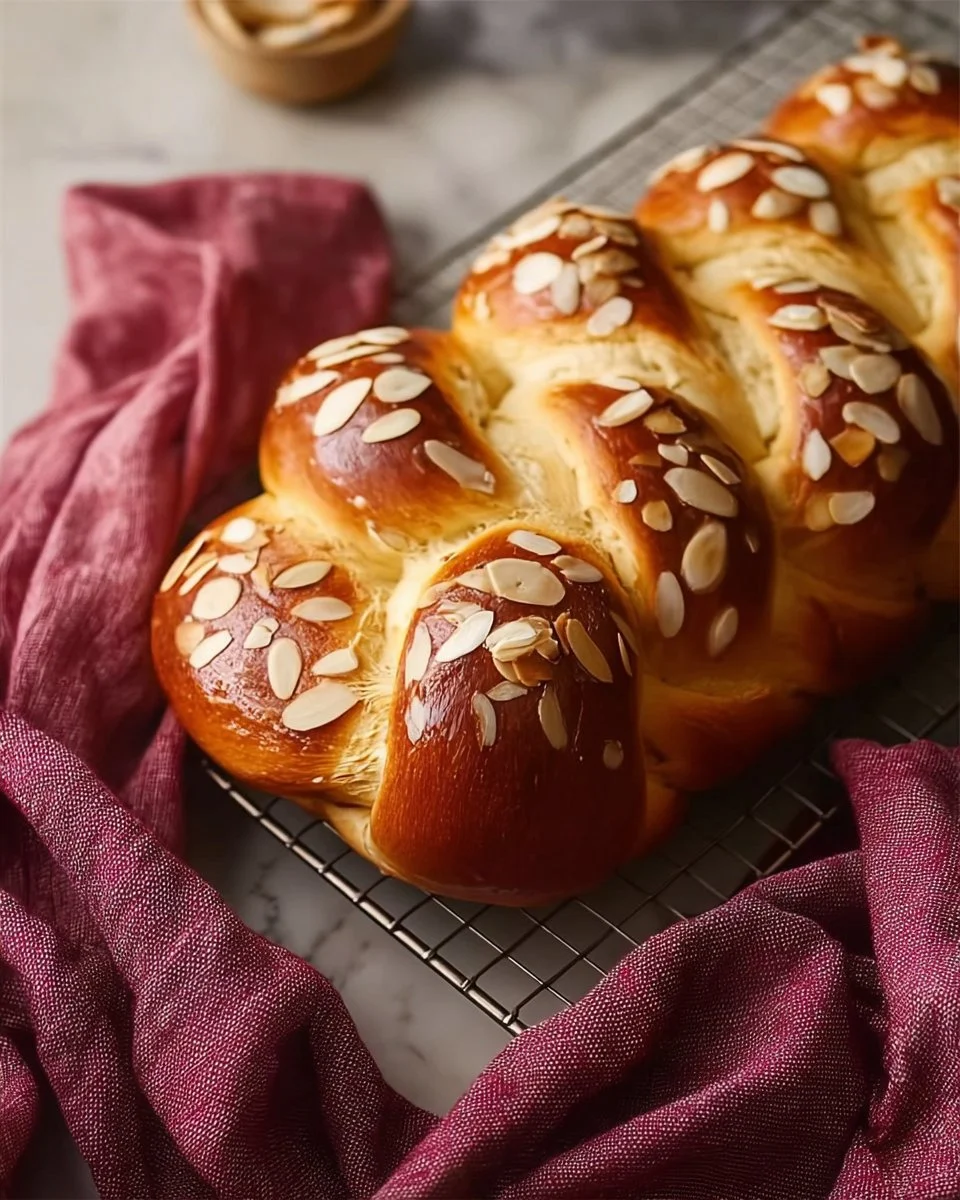
Irresistibly Delicious Tsoureki Recipe: A Sweet Journey into Greek Tradition
Introduction
Ah, Tsoureki! The aroma wafting through my kitchen when I bake this beautiful braided bread takes me straight back to my grandmother’s cozy kitchen, where family gathered, stories were shared, and every bite was a testament to love and tradition. If you’ve ever tasted Tsoureki, you know it’s not just any bread; it’s a heartwarming comfort food that wraps around you like a soft, sweet embrace.
What makes this Tsoureki Recipe stand out from others? It’s the perfect harmony of flavors — the fragrant orange zest, the optional unique notes of mahleb and mastic, and that tender, pillowy texture that begs for a smear of butter. It’s a labor of love, sure, but one that rewards you with homemade blessings for days.
Come along, and you’ll join me in the kitchen where I’ll show you how to create this delightful treat, whether for Easter celebrations, special family gatherings, or simply to indulge your cravings. By following this Tsoureki Recipe, you’ll not only learn the classic method but also the little tweaks that will make your version uniquely yours. Get ready to impress yourself and your loved ones!
What Are Tsoureki?
Tsoureki is a traditional Greek sweet bread, often braided, that holds a special place in Greek culture, particularly during Easter. Its roots trace back to ancient Pagan rituals, baking the bread to celebrate the arrival of spring. Tsoureki captures the essence of celebration with its airy structure, light sweetness, and unique flavor derived from iconic ingredients like mahleb—a spice made from ground cherry pits—and mastic, which imparts a resinous, aromatic quality.
When you take a bite of this bread, you’ll be greeted by a deliciously soft and slightly sweet dough, slightly chewy yet fluffy, and lightly fragrant. It’s perfect for breakfast, as an afternoon snack with tea, or as a festive centerpiece during special occasions. Whether served plain, toasted, or transformed into delightful French toast, it’s sure to become a beloved staple in your home.
Why You’ll Love This Recipe
Elevated Flavor Profiles: This Tsoureki Recipe incorporates orange zest and, if you choose, exotic spices mahleb and mastic, giving a depth of flavor that surpasses any store-bought version. Trust me; your taste buds will thank you!
Customization Galore: Feel free to make this bread your own! You can swap out the almonds for decorative sesame seeds or add chocolate chips and dried fruits for a twist on the classic. The options are limitless.
Cost-Effective Indulgence: Baking at home not only fills your kitchen with irresistible aromas, but it’s also easy on your wallet. With a few pantry staples, you can create a beautiful loaf that would typically cost much more at bakeries.
Perfect for Gathering: Tsoureki makes for a stunning centerpiece, and baking it yourself is an impressive touch when hosting family events or holiday celebrations. Moreover, the joy of sharing this homemade bread will warm your heart!
Beginner-Friendly: While this bread may seem daunting, I promise it’s easier than you think! With a bit of patience, you can master this traditional recipe, and the sense of accomplishment you’ll feel is worth the effort.

Ingredients Section
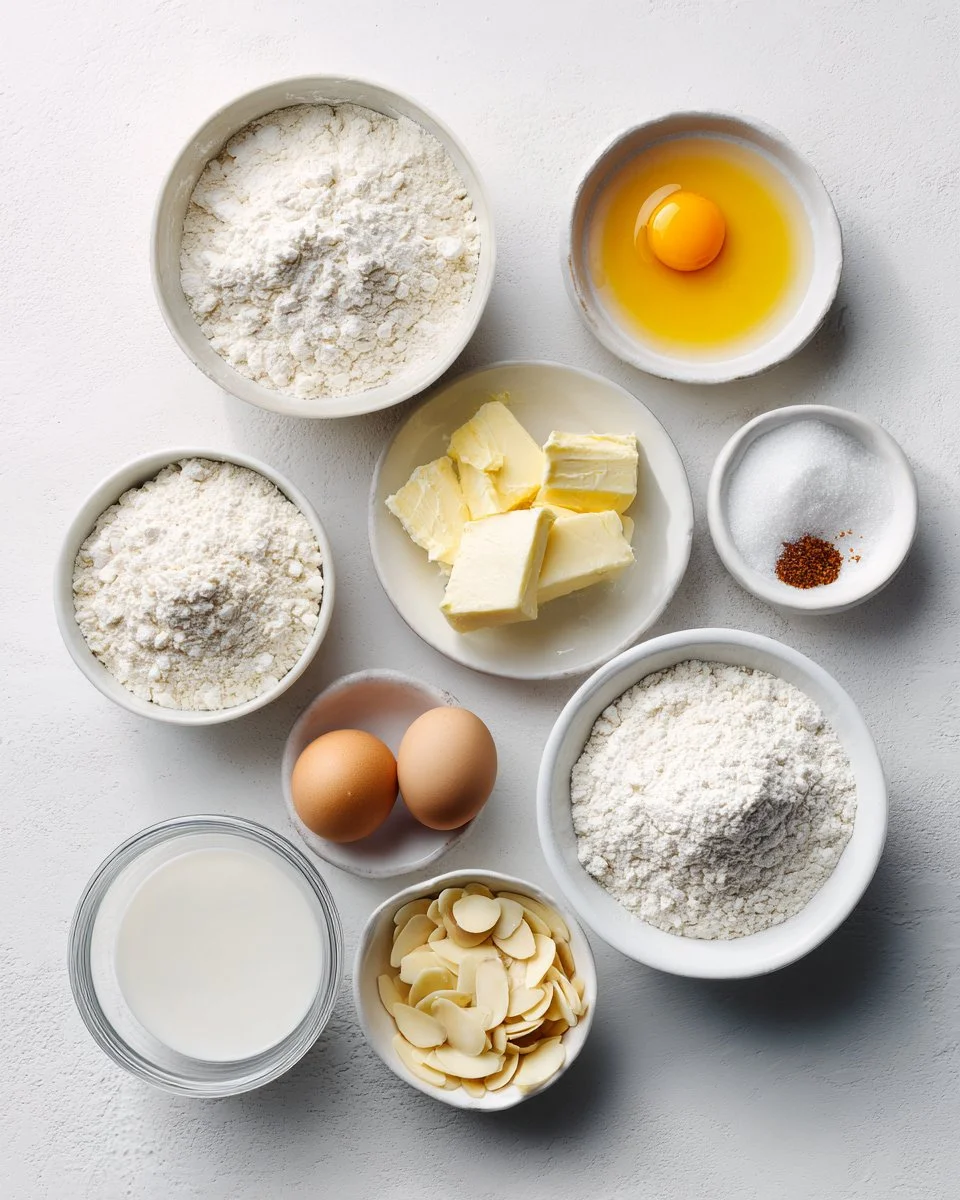
- 4 cups (500 g) all-purpose flour
- 2 1/4 teaspoons (7 g) active dry yeast
- 3/4 cup (180 ml) warm milk (not hot, around 110°F or 43°C)
- 1/2 cup (100 g) granulated sugar
- 2 large eggs, at room temperature
- 1/2 cup (115 g) unsalted butter, melted and slightly cooled
- Zest of 1 orange (preferably organic for the best flavor)
- 1/2 teaspoon ground mahleb (optional for a unique flavor)
- 1/4 teaspoon ground mastic (optional for an authentic touch)
- 1/2 teaspoon salt
- 1 egg for egg wash
- 1 tablespoon milk for egg wash
- 2 to 3 tablespoons sliced almonds for topping
Quality Matters: Always use fresh yeast for best results. For butter, go for unsalted to have complete control over the salt content of your dough. And don’t shy away from those optional spices; they bring the magic!
Prep Notes: Remember to bring your eggs to room temperature before starting, as this helps them to incorporate smoothly into your dough.
Step-by-Step Instructions
Activate the Yeast: In a small bowl, combine the warm milk and 1 tablespoon of the sugar. Sprinkle the yeast over the milk and let it sit for 8 to 10 minutes until foamy. If you don’t see bubbles emerging, it’s time to start fresh with a new batch of yeast.
Prepare the Dough: In a large mixing bowl, whisk together the flour, remaining sugar, salt, orange zest, mahleb (if using), and mastic (if using). In a separate bowl, whisk the eggs and melted butter, then stir in the foamy yeast mixture. Combine the wet and dry ingredients until a soft dough forms.
Knead the Dough: Transfer the dough onto a floured surface. Knead for 10 to 12 minutes, working until the dough is smooth and elastic. To test if it’s ready, stretch a small piece; it should form a thin, translucent window without tearing.
First Rise: Form the dough into a ball and place it in a greased bowl. Cover it with a damp cloth and let it rise in a warm area for 1 1/2 to 2 hours until doubled in size.
Shape the Braid: Once risen, gently deflate the dough and divide it into three equal portions. Roll each piece into a long rope (about 12 inches). Braid the ropes together and tuck the ends under, placing it on a parchment-lined baking sheet.
Second Rise: Cover the braided dough loosely with a kitchen towel and let it rise again for 45 to 60 minutes until puffy.
Apply Egg Wash and Bake: Preheat the oven to 350°F (175°C). Whisk together 1 egg with 1 tablespoon of milk. Brush the egg wash over the braid and sprinkle with sliced almonds. Bake for 25 to 30 minutes or until golden brown and beautifully fragrant. Let cool on a wire rack before slicing.
Expert Tips & Tricks
Storage Recommendations: Tsoureki is best consumed fresh. Store it in an airtight container at room temperature for up to 3 days, or refrigerate for longer freshness. To freeze, wrap tightly in plastic wrap and then in aluminum foil; it can last up to 3 months.
Make-Ahead Instructions: You can make the dough one day in advance and let it rise in the fridge overnight before shaping and the second rise for the next day’s baking.
Troubleshooting Common Problems: If your Tsoureki is too dense, check the yeast freshness and ensure proper kneading. Don’t rush the rises; a more extended first rise yields a lighter bread.
Serving Suggestions
Tsoureki is wonderful enjoyed on its own or served with a spread of butter and honey. Pair it with coffee for a perfect breakfast or enjoy it with fruit preserves in the afternoon. It’s also fantastic with a scoop of ice cream or as part of a festive brunch spread!
Variations & Substitutions
Flavored Combinations: Try adding lemon zest instead of orange or mix in chopped nuts and dried fruits for delicious variations.
Dietary Adaptations: For vegan versions, replace butter with coconut oil and use plant-based milk along with flaxseed eggs instead of regular eggs.
Seasonal Variations: Infuse pumpkin spice for a fall twist or add cranberries during the winter holidays to make it festive.
Nutrition & Storage Info
- Prep Time: 30 minutes
- Cook Time: 30 minutes
- Total Time: 2-3 hours (including rising time)
- Yield: Approximately 12 servings
- Estimated Calories per Serving: 220 calories
- Storage Instructions: Store at room temperature for up to 3 days, or refrigerate/freeze for longer.
FAQ Section
Can I use instant yeast instead of active dry yeast?
Yes! You can substitute instant yeast using the same amount, and there’s no need to activate it with water.What’s the best way to know if my dough has risen enough?
It should have doubled in size and feel airy when you poke it gently. If it springs back, it’s ready!Can I braid the dough differently?
Absolutely! You can make a simple three-strand braid, a four-strand for a fancier look, or even shape it into a round.Will this recipe work in a bread machine?
Yes! Follow your bread machine’s instructions for stacking wet and dry ingredients and use the dough cycle.What if I don’t have mahleb and mastic?
This bread will still be delicious without them. You can substitute vanilla for flavor or simply skip those ingredients.Is this recipe suitable for kids to help with?
Definitely! The dough is easy to handle, and kids love participating in braiding.Can I use whole wheat flour instead of all-purpose flour?
Yes, but this may yield a denser bread. You can use half whole wheat and half all-purpose for a healthier option.Can I add chocolate chips?
Of course! Fold them in after kneading or sprinkle on top before baking.What’s the best way to warm leftovers?
Warm individual slices in the toaster or microwave for just a few seconds for a freshly baked taste.Can I use a different milk?
Sure! You can use almond milk, oat milk, or any milk substitute. Just ensure it’s warm when you add it to your yeast.
Conclusion
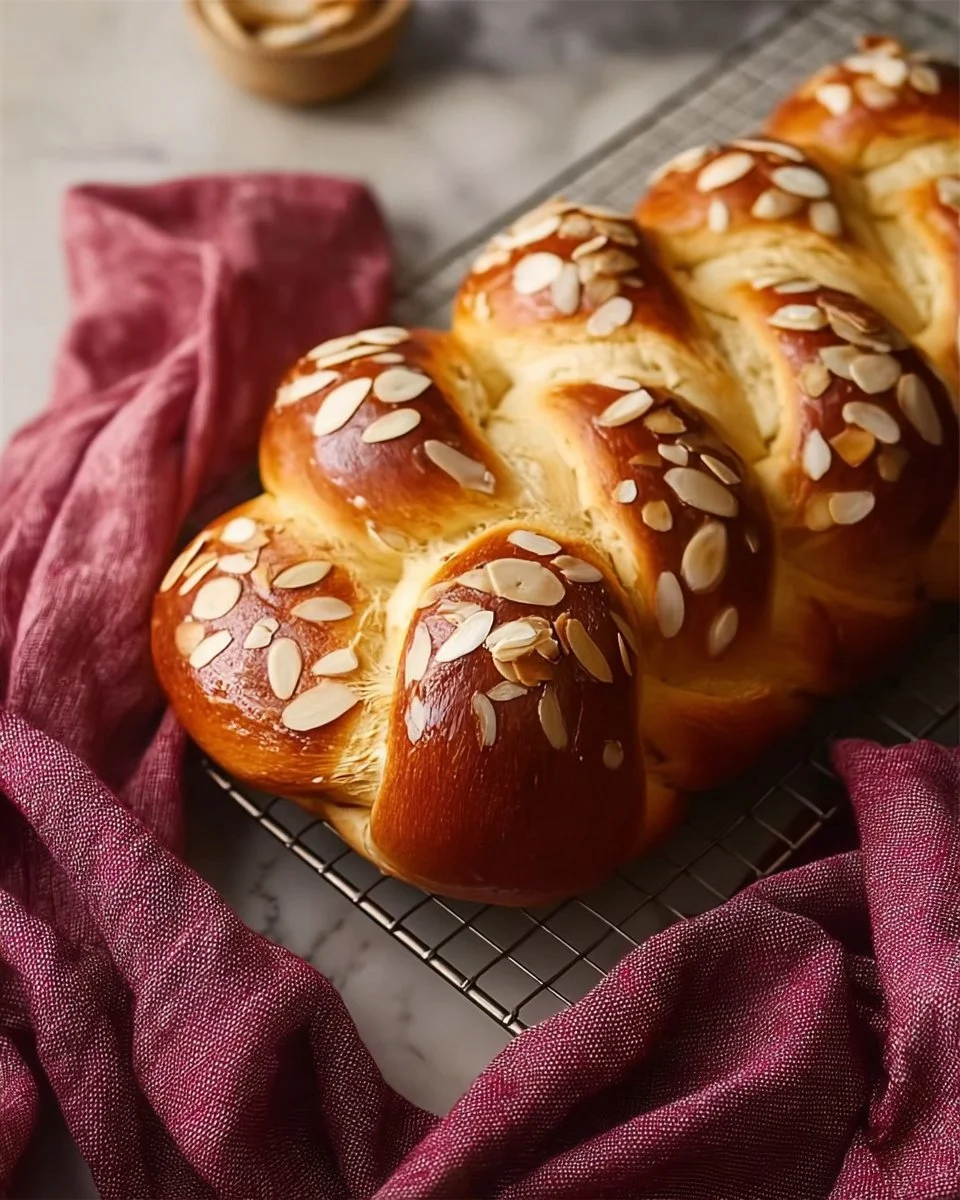
This Tsoureki Recipe weaves together history, tradition, and deliciousness in every bite. It’s a delightful way to connect to your roots, create beautiful memories, and provide comfort through food. I encourage you to give it a try and experience the joy of homemade bread. Let me know how your baking adventure turns out! Feel free to leave your feedback and check out more amazing recipes on my blog that celebrate the love of baking and the magic of shared meals. Happy baking!

Tsoureki
Ingredients
Method
- In a small bowl, combine the warm milk and 1 tablespoon of sugar. Sprinkle the yeast over the milk and let it sit for 8 to 10 minutes until foamy.
- In a large mixing bowl, whisk together the flour, remaining sugar, salt, orange zest, mahleb (if using), and mastic (if using).
- In a separate bowl, whisk the eggs and melted butter, then stir in the foamy yeast mixture.
- Combine the wet and dry ingredients until a soft dough forms.
- Transfer the dough onto a floured surface. Knead for 10 to 12 minutes until smooth and elastic.
- Form the dough into a ball and place it in a greased bowl. Cover it with a damp cloth and let it rise in a warm area for 1 1/2 to 2 hours until doubled in size.
- Once risen, gently deflate the dough and divide it into three equal portions. Roll each piece into a long rope (about 12 inches). Braid the ropes together and tuck the ends under, placing it on a parchment-lined baking sheet.
- Cover the braided dough loosely with a kitchen towel and let it rise again for 45 to 60 minutes until puffy.
- Preheat the oven to 350°F (175°C). Whisk together 1 egg with 1 tablespoon of milk. Brush the egg wash over the braid and sprinkle with sliced almonds.
- Bake for 25 to 30 minutes or until golden brown and beautifully fragrant. Let cool on a wire rack before slicing.