
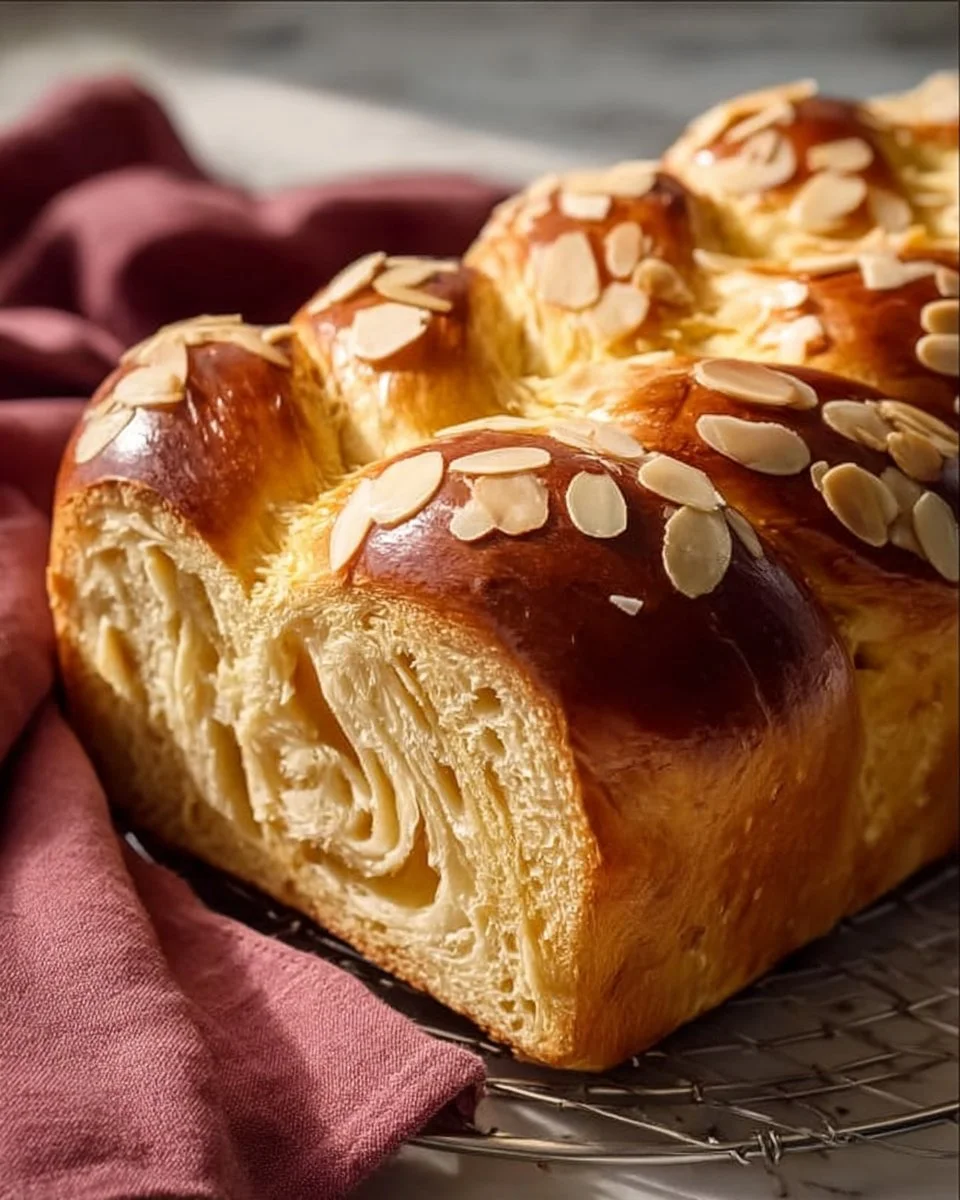
Delight in the Flavors of Traditional Greek Sweet Bread: A Recipe You’ll Cherish
Imagine a warm kitchen filled with the aroma of sweet, yeasty bread slowly rising in the oven. That’s where my love affair with Traditional Greek Sweet Bread began. Growing up, my grandmother would make this beautiful braided loaf every Easter. It wasn’t just a treat; it was a celebration of family, love, and nostalgia. The soft, fluffy texture and sweet, aromatic spices created a comforting embrace that I eagerly anticipated each year.
What sets this recipe apart from others? It’s the perfect balance of flavors from mahleb and mastic, coupled with the tender crumb that makes every bite a joy. I’ve fine-tuned every step to ensure that anyone can recreate the magic at home. This isn’t just bread; it’s a vessel of tradition and warmth, a way to bring loved ones together.
In this post, I promise to guide you through each step, share professional tips from my own kitchen experiments, and perhaps even inspire a few new memories for your family. Let’s dive into the soul of this age-old recipe that’s been passed down through generations.
What Are Traditional Greek Sweet Breads?
Traditional Greek Sweet Bread, known as “tsoureki” in Greece, boasts a rich history that stretches back centuries. This sweet, yeast-leavened bread is often enjoyed during special occasions, particularly Easter and Christmas. Infused with aromatic spices like mahleb – made from the seeds of the St. Lucie cherry – and sometimes mastic, this bread offers a delightful and unique flavor profile that distinguishes it from other sweet breads.
With a crust that’s lightly golden and an interior that’s soft and airy, the texture perfectly complements the sweetness. Whether served with coffee or as part of a festive meal, Traditional Greek Sweet Bread is not just food; it’s an experience, often shared amongst family and friends, encapsulating the essence of togetherness and celebration.
You’ll want to whip up this delightful treat for holidays, Sunday gatherings, or just to indulge in the comforting aroma of freshly baked bread wafting through your home.
Why You’ll Love This Recipe
Authenticity and Tradition: With a recipe honed through years of family gatherings, this is the real deal. It’s more than just a recipe; it’s a piece of my heart, and I can’t wait for you to savor it too!
Budget-Friendly: Making Traditional Greek Sweet Bread at home is significantly cheaper than buying from a bakery. And guess what? You can control the quality of your ingredients, ensuring each bite is worth savoring.
Customization Galore: Feel free to add your unique twist! Want to toss in some chocolate or citrus zest? Go for it! This bread is incredibly adaptable—let your creativity shine.
Easy to Follow: Whether you’re an experienced baker or just starting, the step-by-step directions I’ve laid out will guide you beautifully. I promise it’s easier than it looks!
Perfect for Any Occasion: Be it a festive holiday or a cozy Sunday brunch, this sweet bread impresses every time. You might just become the family hero with this baked delight!
With these reasons in mind, I’m confident you’ll embrace this recipe as your family’s go-to for many years to come.

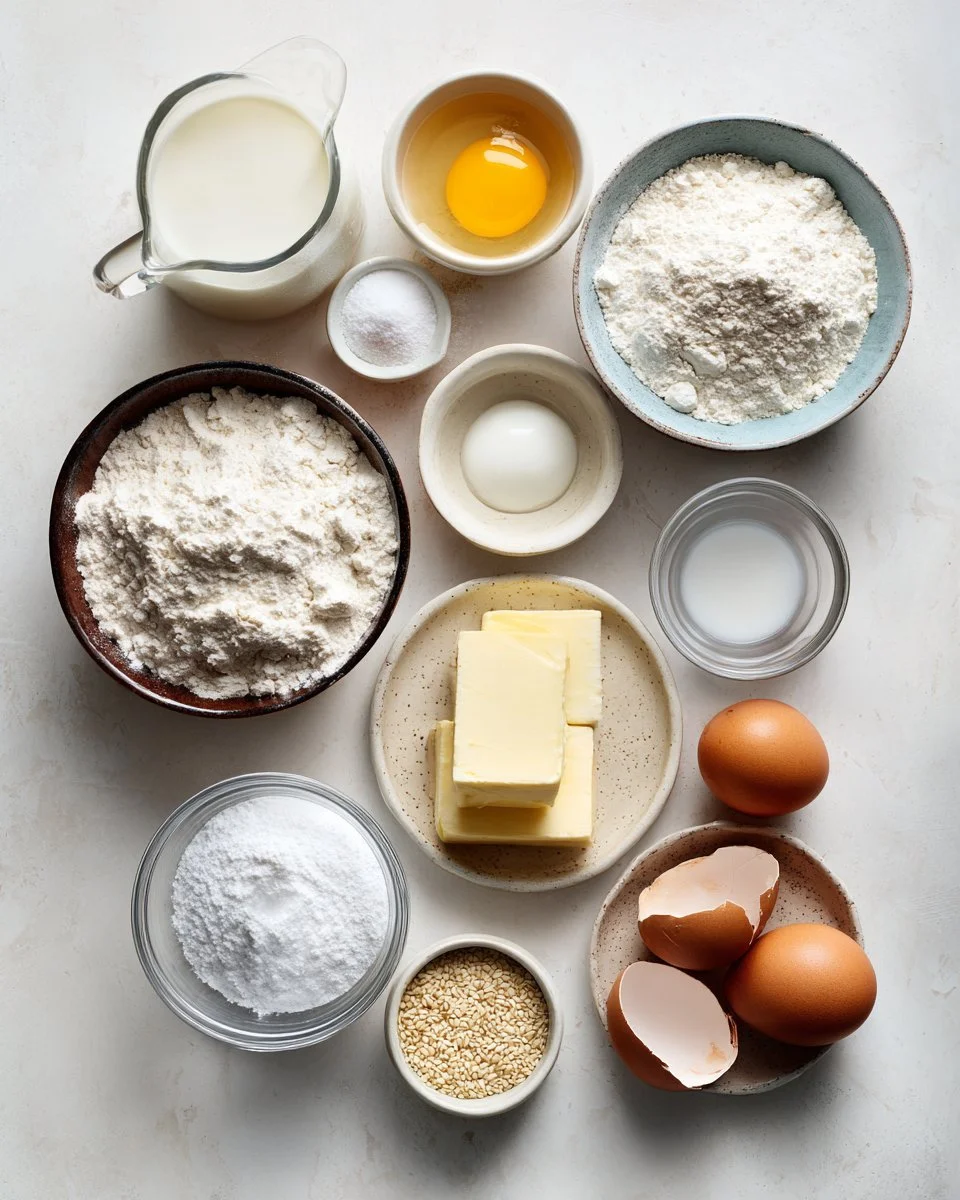
Ingredients
- 4 cups all-purpose flour (King Arthur Flour is my favorite for its consistency)
- 1 cup milk (whole milk enhances richness, but feel free to use any kind)
- 1/2 cup sugar (granulated sugar works perfectly)
- 1/2 cup unsalted butter (make sure it’s at room temperature for easy mixing)
- 3 large eggs (room temperature helps in achieving a perfect rise)
- 1 packet active dry yeast (ensure it’s fresh for a good rise)
- 1/4 teaspoon salt (balances sweetness and enhances flavor)
- 1/2 teaspoon ground mahleb (or use almond extract for a different flavor twist)
- 1/2 teaspoon ground mastic (optional but recommended for authentic flavor)
- 1 egg (for egg wash to achieve that beautiful golden color)
- Sesame seeds (for topping, to add a nice crunch)
Prep Notes: Make sure your butter and eggs are at room temperature to allow them to integrate smoothly into the dough.
Step-by-Step Instructions
Prepare the Yeast: In a small bowl, dissolve the active dry yeast in warm milk (about 110°F/43°C). Let it sit for 5-10 minutes until frothy. This is vital for activating the yeast for a good rise!
Mix Dry Ingredients: In a large mixing bowl, combine the flour, sugar, salt, mahleb, and optional mastic.
Blend Wet Ingredients: In another bowl, beat the eggs and melted butter together until fully combined.
Combine Mixtures: Pour the yeast mixture and the egg mixture into the dry ingredients. Mix until a rough dough forms.
Knead the Dough: On a floured surface, knead the dough for about 10 minutes until it becomes smooth and elastic. (Chef’s Tip: You can test the dough by stretching it; it should form a thin window without tearing.)
First Rise: Place the dough in a greased bowl, cover it with a cloth, and let it rise in a warm, draft-free place for about 1-2 hours, or until doubled in size.
Shape the Dough: Once risen, gently punch down the dough to release excess air. Divide it into three equal portions and roll each into a long rope, about 1 inch thick.
Braid the Dough: Braid the three ropes together to form a beautiful loaf.
Second Rise: Place the braided loaf on a baking sheet lined with parchment paper. Cover it and let it rise again for about 30 minutes.
Preheat the Oven: While the dough is rising, preheat your oven to 350°F (175°C).
Prepare for Baking: Brush the loaf with the beaten egg wash and sprinkle sesame seeds over the top for that delightful crunch.
Bake: Bake for 30-35 minutes, or until beautifully golden brown on top. (Visual Cue: It should sound hollow when tapped on the bottom.)
Cool Down: Allow the bread to cool on a wire rack before slicing.
Expert Tips & Tricks
Use Quality Ingredients: The better your ingredients, the more flavorful your bread will be. Don’t skimp on butter and sugar!
Room Temperature Is Key: Make sure your dairy and eggs are at room temperature—it makes a world of difference in how they blend together.
Storage: Store your sweet bread in an airtight container at room temperature for up to 3-4 days or in the fridge for a week.
Make-Ahead Options: You can prepare the dough the night before. Simply let it rise, punch it down, and refrigerate overnight. Shape in the morning and allow a longer second rise.
Troubleshooting: If your dough isn’t rising, check if your yeast is fresh and active. Warm milk, not hot, is the key to successful activation.
Serving Suggestions
Traditional Greek Sweet Bread is versatile and can be served in numerous delightful ways. Pair it with a dollop of homemade marmalade or your favorite butter for breakfast, or enjoy it as a delightful side at brunch. For a special occasion, serve it alongside a rich coffee or tea. You can slice it thin, toast it, and incorporate it into French toast for an incredible breakfast treat. Sprinkle powdered sugar on top for a drizzle of sweetness.
Variations & Substitutions
Flavor Combinations: Try adding orange or lemon zest for a citrus touch. You can also incorporate dried fruits like raisins or cranberries for a festive flare.
Dietary Restrictions: For a dairy-free option, substitute almond or oat milk and use a vegan butter alternative. You might also try using gluten-free flour to accommodate gluten sensitivities.
Seasonal Adaptations: Think of adding spice during the fall; cinnamon and nutmeg can introduce warm, cozy notes that make this bread perfect for holidays.
Nutrition & Storage Info
- Prep Time: 20 minutes
- Cook Time: 35 minutes
- Total Time: 2-3 hours (including rising times)
- Yield: 1 large loaf (about 10 slices)
- Estimated Calories: Approximately 180 calories per slice
Storage Instructions: Keep at room temperature for up to 4 days, or in the fridge for a week. This bread also freezes well for up to three months—just wrap securely in plastic and foil.
FAQ Section
Can I use instant yeast instead of active dry yeast?
Yes! You can use instant yeast; simply mix it in with your dry ingredients without needing to proof it in warm milk.How can I tell if my bread is done baking?
The bread should be golden brown and sound hollow when tapped on the bottom. Use a thermometer to check the internal temperature; it should read about 190°F (88°C).What is mahleb, and can I replace it?
Mahleb is a ground spice from cherry pits that adds a unique flavor to the bread. If you can’t find it, almond extract can be a good alternative.Why is my dough too sticky?
If the dough is sticky, you can gradually add more flour while kneading. Just be cautious not to add too much or it may become dense.Can I add fillings to the dough?
Absolutely! Feel free to incorporate chocolate chips, nuts, or dried fruit into your braid for an extra treat.How can I make my bread fluffier?
Ensure you’re using fresh yeast and allowing the dough to rise sufficiently. Kneading the dough well is also critical for gluten development.Do I have to braid the bread?
No, the braiding is traditional, but if you prefer a simpler shape, you can shape it into a round loaf or even individual rolls!What should I serve with this bread?
It pairs wonderfully with coffee, hot chocolate, or tea, and can be served with jam, honey, or even as a side with savory dishes.Can I substitute sugar with honey or maple syrup?
Yes, you can substitute the sugar with honey or maple syrup, but reduce the liquid to maintain consistency.Is this recipe suitable for beginners?
Absolutely! With clear instructions and little expertise needed, it’s perfect for anyone looking to bake something delightful.
Conclusion
This Traditional Greek Sweet Bread recipe isn’t just about baking; it’s about creating cherished memories with your family. The aroma alone will have loved ones flocking to your kitchen, eagerly awaiting a taste of this comforting delight.
I encourage you to try this recipe, savor the process, and share your experience in the comments. If you enjoy this bread, be sure to check out my blog for more delightful recipes that bring joy and warmth to your kitchen!