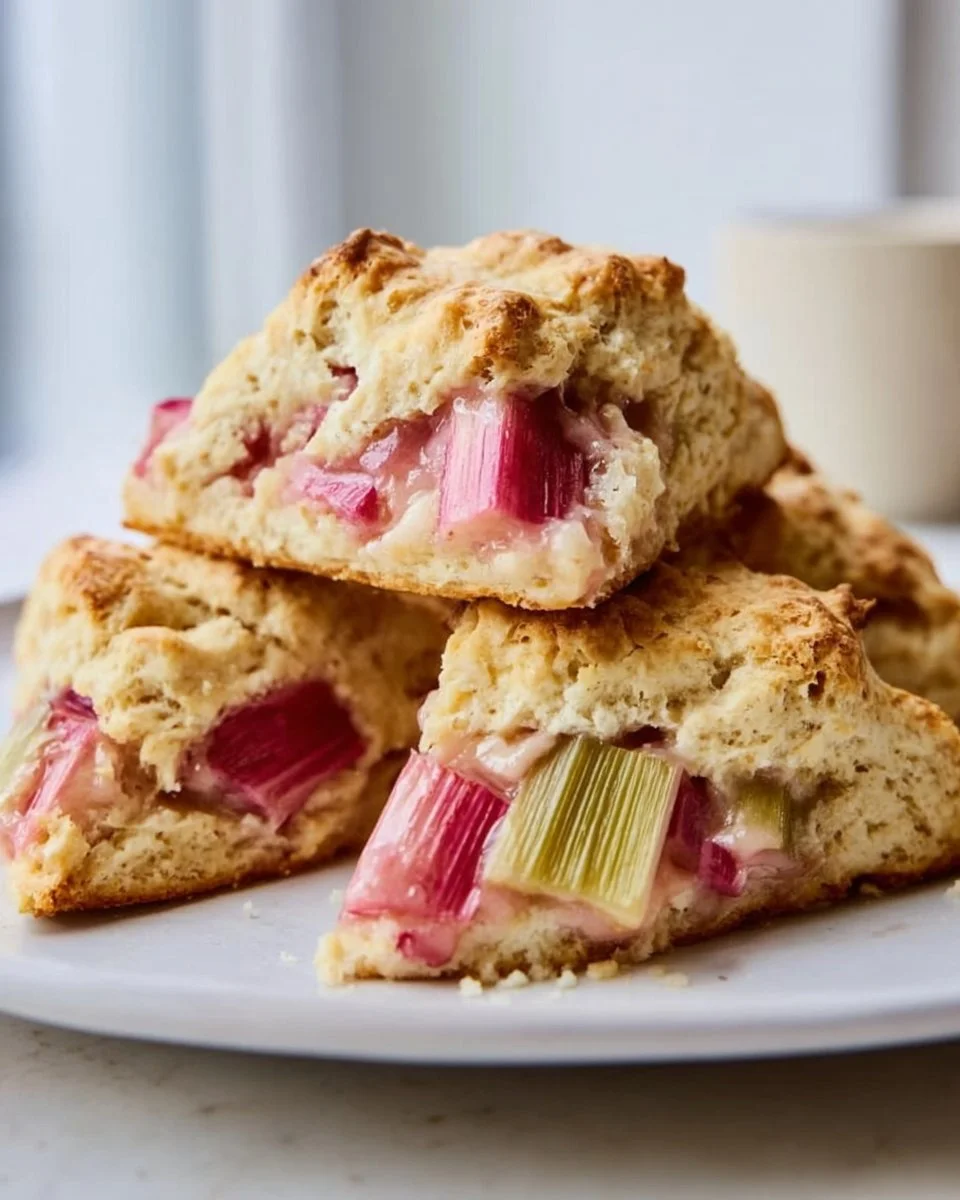
Scrumptious Rhubarb Scones That Will Steal Your Heart
As I stood in my kitchen this weekend, the sweet and tangy scent of fresh rhubarb wafted through the air, instantly transporting me back to my grandmother’s cozy farmhouse. Every spring, she would invite us over for an afternoon of baking, and it was during those magical moments that I first tasted rhubarb scones. The soft, buttery goodness paired with the vibrant tartness of rhubarb created a symphony of flavors that danced on my taste buds.
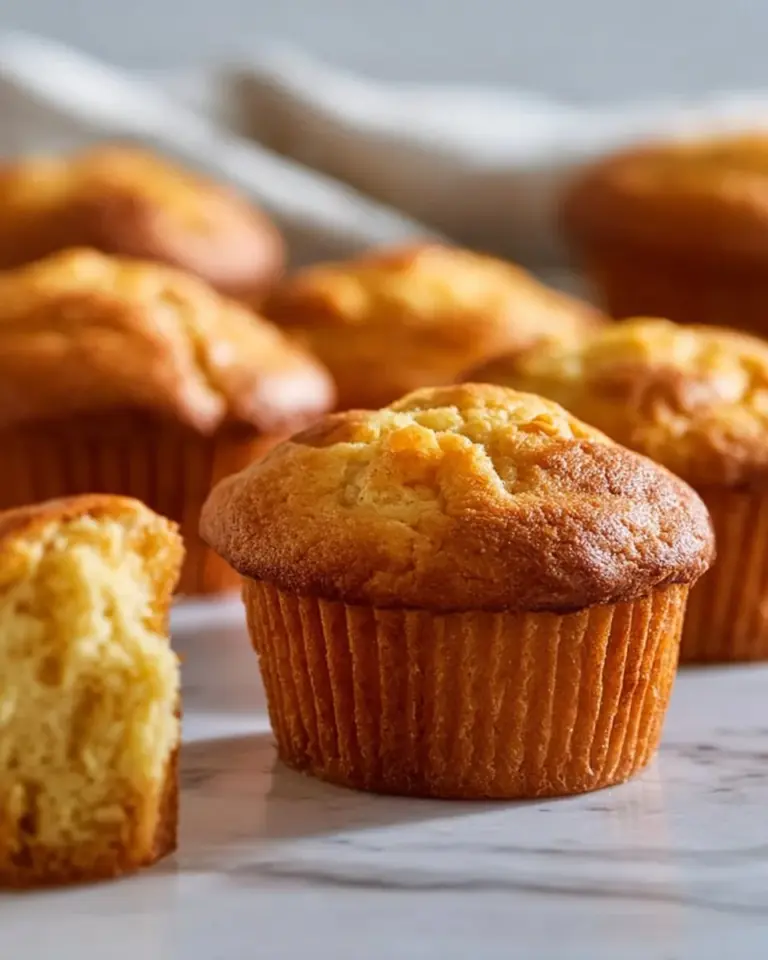
What makes my rhubarb scones extra special is the perfect balance of sweetness and zing, making them more than just a breakfast treat—they’re a trip down memory lane. And let me tell you, the texture! These scones are delicately crumbly on the outside, fluffy and tender on the inside, truly a comforting hug in pastry form.
This recipe stands out because I’ve fine-tuned each ingredient to not only enhance the flavor but also to make it accessible for bakers of all levels. You’ll learn how to blend simple ingredients into an unforgettable treat that invokes cherished memories and creates new ones. Let’s dive into the delightful world of rhubarb scones!
What Are Rhubarb Scones?
Rhubarb scones date back centuries, with origins often traced to Europe, where these tart vegetables were embraced in both sweet and savory dishes. Their unique flavor profile, combining tart and sweet, gives rise to a scone that is anything but bland. When you take your first bite, expect a delicious explosion of flavors with the slight tang of rhubarb expertly mingled with buttery goodness.
These scones are distinct due to the use of fresh rhubarb, which not only elevates their flavor but also introduces a delightful texture. When baked, the rhubarb softens and infuses moisture into the dough, creating a uniquely delightful experience. Perfect for breakfast, brunch, or afternoon tea, they act as a cheerful centerpiece when shared with friends or family.
So why might you consider making a batch of these delectable treats? Whether you’re celebrating a sunny spring day or simply need a comforting snack, rhubarb scones fit the bill. Plus, they’re a fantastic excuse to bring family together and reminisce about rainy afternoons spent in the kitchen.
Why You’ll Love This Recipe
You might be wondering, "Why should I choose your rhubarb scones recipe over others?" Here are several reasons why I’m confident you’ll fall in love with it:
Irresistible Flavor Combination: The tartness of the rhubarb perfectly complements the sweetness of the scone, delivering a balanced flavor that is both refreshing and satisfying.
Cost-Effective & Easy to Make: Instead of spending money on store-bought pastries, this recipe allows you to create bakery-quality scones at home without breaking the bank. All you need are a few simple ingredients!
Customization Options: While the classic rhubarb scone is delicious on its own, you can easily customize it with your favorite add-ins, like chocolate chips, nuts, or spices, tailoring it to your personal taste.
Beginner-Friendly: Even if baking is new to you, these scones come together quickly and effortlessly. With just a handful of steps, you’ll be rewarded with beautifully golden, flaky scones in no time.
Perfect for Any Occasion: Serve them warm fresh from the oven for breakfast, enjoy with afternoon tea, or pack them for a picnic. Their versatility ensures they’re suitable for any event, big or small.
With just a little time and love, you can create your own batch of rhubarb scones that will have everyone raving about your baking skills!
Ingredients
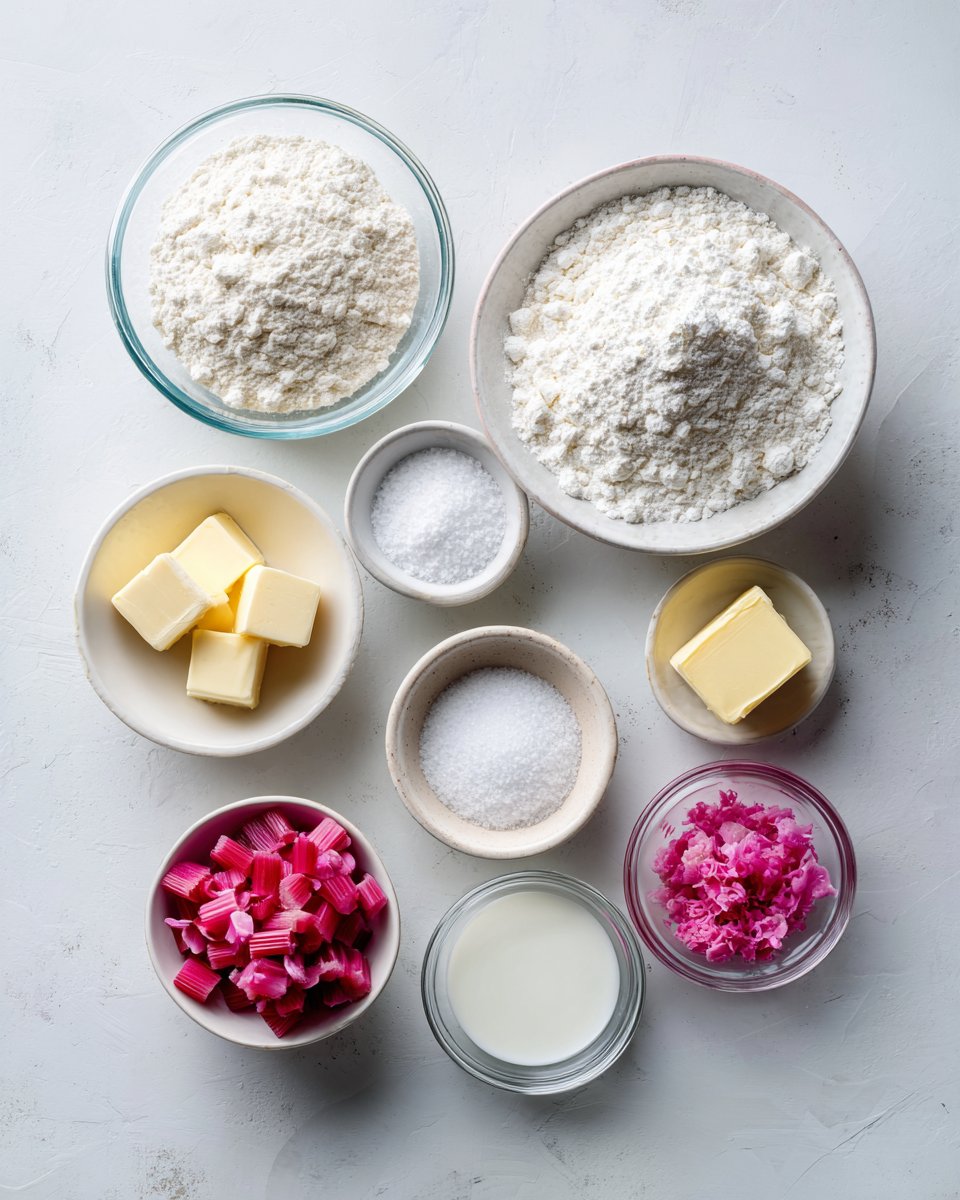
- 2 cups all-purpose flour: Use high-quality flour for better structure.
- 1/2 cup granulated sugar: This balances the tartness of the rhubarb.
- 1 tablespoon baking powder: For that perfect rise!
- 1/2 teaspoon salt: Enhances flavors.
- 1/2 cup cold butter, cubed: It’s essential for flaky layers; keep it cold!
- 3/4 cup buttermilk: Adds moisture; feel free to substitute with regular milk + lemon juice.
- 1 cup fresh rhubarb, chopped: The star of the show! Make sure it’s fresh for the best flavor.
- 1 teaspoon vanilla extract: For a backdrop of warmth.
- Optional: Additional sugar for sprinkling on top for an enticing finish.
Prep Notes: Use butter straight from the fridge, and if you can, chop the rhubarb the night before so it can release some of its juices for a fuller flavor.
Step-by-Step Instructions
- Preheat the oven to 400°F (200°C) and line a baking sheet with parchment paper.
- In a large bowl, mix together the flour, sugar, baking powder, and salt until well combined.
- Cut in the cold butter using a pastry cutter or your fingers until the mixture resembles coarse crumbs, creating pockets of butter for a flaky texture.
- Stir in the chopped rhubarb, folding gently to avoid bruising the fruit.
- In a separate bowl, combine buttermilk and vanilla extract. Gradually add this to the dry ingredients, mixing until just combined; don’t overmix—lumps are okay!
- Turn the dough onto a floured surface and knead gently, patting it into a circle about 1 inch thick.
- Cut into wedges or rounds and place on the prepared baking sheet.
- Optional: Sprinkle with additional sugar if desired for extra sweetness.
- Bake for 15-20 minutes until they are golden brown and a toothpick inserted into the middle comes out clean.
- Allow to cool slightly before serving, so they firm up a bit.
Chef’s Tips: Watch for a light golden color; that’s what you want! If you’re looking to impress, brush the tops with melted butter right before baking.
Expert Tips & Tricks
To ensure your rhubarb scones come out perfectly, here are some expert tips:
Chill Your Ingredients: Keeping your butter cold helps create flakiness. For even better results, chill the bowl before mixing.
Avoid Overhandling: Try to mix and knead as little as possible to keep the scones tender.
Storage Recommendations: If you have leftovers, store them in an airtight container at room temperature for up to 2 days, or in the fridge for up to a week. They also freeze well—just individually wrap them in plastic wrap before placing them in a freezer-safe bag.
Make-Ahead Instructions: You can prepare the dough ahead of time and refrigerate it for a couple of hours before baking. Just let it come to room temperature before cutting and baking.
Troubleshooting Common Problems: If your scones turn out too dry, consider adding a bit more buttermilk next time. If too wet, add a tad more flour until the dough holds together without being sticky.
Serving Suggestions
These scrumptious rhubarb scones are great on their own but can be elevated with a few accompaniments:
- Serve with clotted cream or butter for a traditional scone experience.
- Pair with seasonal fruits or a berry compote for a burst of freshness.
- They shine at brunch events, tea parties, or even casual gatherings with friends.
For an exquisite touch, consider a light dusting of powdered sugar just before serving for that bakery feel!
Variations & Substitutions
Feel adventurous? Here are some substitutions and variations:
- Add Flavors: Spice things up by adding coconut flakes, lemon zest, or a sprinkle of cardamom to the flour mixture.
- Dietary Adaptations: For a gluten-free version, substitute all-purpose flour with a 1:1 gluten-free blend. Use coconut milk or almond milk in place of buttermilk for dairy-free options.
- Seasonal Treats: In the autumn, swap rhubarb for diced apples or pears. For a summer twist, incorporate plump blueberries for a refreshing twist.
Nutrition & Storage Info
- Prep Time: 15 minutes
- Cook Time: 20 minutes
- Total Time: 35 minutes
- Yield: 8 scones
- Estimated Calories per Serving: Approx. 190 calories
Storage Instructions: Store at room temperature for up to 2 days or in the fridge for up to 1 week. For longer storage, freeze for up to 3 months—perfect for unexpected cravings!
FAQ Section
Can I use frozen rhubarb?
- Yes, you can! Just ensure it’s thawed and drained of excess moisture so the scones don’t become soggy.
What can I substitute for buttermilk?
- You can make a substitute by mixing 3/4 cup of milk with 1 tablespoon of lemon juice or vinegar. Let it stand for about 5-10 minutes.
How do I know when the scones are done?
- Look for a golden brown color on top and a toothpick inserted into the center should come out clean.
Can I make this recipe vegan?
- Absolutely! Substitute butter with coconut oil or vegan butter and buttermilk with plant-based milk mixed with vinegar.
What are some good toppings for rhubarb scones?
- Cream cheese frosting, jam, or a simple glaze can add sweetness to counterbalance the tartness of the rhubarb.
What if my dough is too dry?
- If the dough is crumbly, add an extra splash of buttermilk or milk until it comes together.
How should I store my scones?
- Keep them in an airtight container at room temperature or refrigerate for longer freshness.
What can I serve with scones?
- Clotted cream, fresh fruit preserves, or homemade lemon curd are always delightful accompaniments.
Can I add spices to the scone mix?
- Absolutely! Cinnamon, nutmeg, or even a hint of ginger can enhance the flavors beautifully.
What events are rhubarb scones best for?
- Perfect for brunch, holiday gatherings, or just a cozy afternoon with a cup of tea!
Conclusion
In summary, these rhubarb scones are not just a recipe; they’re a delicious way to share cherished memories while creating new ones. Their unique flavor, delightful texture, and simple preparation make them a must-try in your kitchen.
I encourage you to give them a shot and see what delightful stories unfold as you bake. Don’t forget to share your thoughts in the comments below! And if you love these scones, be sure to check out my other scrumptious recipes here on the blog. Happy baking!
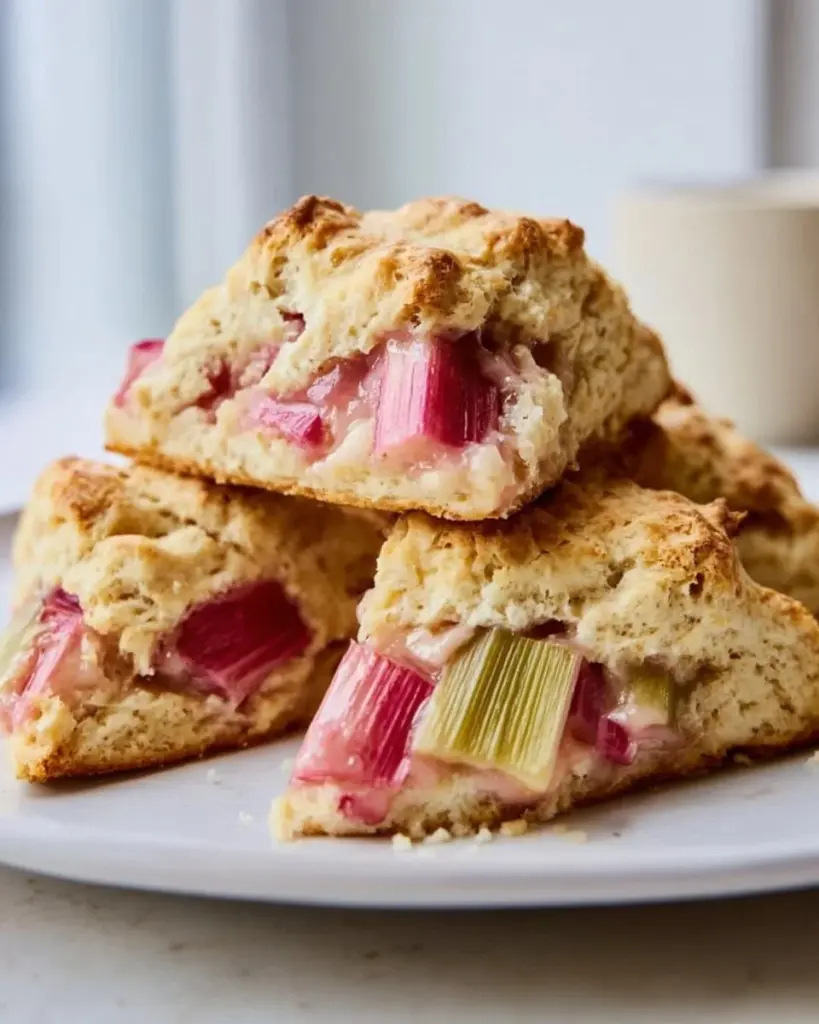
Rhubarb Scones
Ingredients
Method
- Preheat the oven to 400°F (200°C) and line a baking sheet with parchment paper.
- In a large bowl, mix together the flour, sugar, baking powder, and salt until well combined.
- Cut in the cold butter using a pastry cutter or your fingers until the mixture resembles coarse crumbs, creating pockets of butter for a flaky texture.
- Stir in the chopped rhubarb, folding gently to avoid bruising the fruit.
- In a separate bowl, combine buttermilk and vanilla extract. Gradually add this to the dry ingredients, mixing until just combined; don’t overmix—lumps are okay!
- Turn the dough onto a floured surface and knead gently, patting it into a circle about 1 inch thick.
- Cut into wedges or rounds and place on the prepared baking sheet.
- Optional: Sprinkle with additional sugar if desired for extra sweetness.
- Bake for 15-20 minutes until they are golden brown and a toothpick inserted into the middle comes out clean.
- Allow to cool slightly before serving, so they firm up a bit.