Save on cheap car insurance for young drivers today — discover top discounts, tips, and compan ies to lower your premium fast
Finding affordable car insurance can be a challenge, especially for young drivers who are already facing high premiums.
Navigating the world of car insurance can be overwhelming, but understanding your options is key to saving money.

As a young driver or a parent of one, it’s crucial to explore ways to reduce insurance costs without compromising on coverage.
Key Takeaways
- Understand the factors that affect insurance rates for young drivers.
- Learn how to compare insurance quotes effectively.
- Discover discounts that can lower your insurance premiums.
- Explore the benefits of usage-based insurance.
- Find out how to maintain a clean driving record to reduce costs.
- Best car insurance for young drivers
Understanding the Insurance Challenges for Young Drivers
The quest for cheap car insurance can be particularly daunting for young drivers, who are already considered high-risk by insurance companies. This perception is rooted in statistical data and driving behavior, making it essential for young drivers and their families to understand the factors at play.

Why Insurance Costs More for Young Drivers
Young drivers, particularly those under 25, are viewed as high-risk due to their lack of driving experience and higher propensity for accidents. Statistical evidence supports this perspective, showing that inexperienced drivers are more likely to be involved in vehicular incidents.
Statistical Risk Factors
Data indicates that drivers between 16 and 24 years old are more prone to accidents, with a higher incidence of claims filed by this demographic. This statistical risk is a primary factor in determining insurance premiums.
Insurance Company Perspective
From the insurance company’s viewpoint, the risk associated with young drivers translates into potential financial losses. As a result, they adjust premiums accordingly to mitigate this risk, making low cost auto insurance for new drivers a challenging find.
Average Premium Costs by Age Group
Insurance premiums vary significantly across different age groups, reflecting the perceived risk associated with each demographic.
Teen Drivers (16-19)
Teen drivers face the highest premiums due to their inexperience and the statistically higher risk of accidents. Discounted car insurance for teens can be achieved through good student discounts or driver’s education courses.
Young Adults (20-25)
While premiums are still higher for young adults than for more seasoned drivers, they tend to decrease as the driver gains more experience. Exploring budget-friendly car insurance options for young drivers becomes more feasible with age and a clean driving record.
Key Factors That Affect Insurance Rates for Young Drivers
Several key elements determine the cost of car insurance for youthful drivers. Understanding these factors can help young drivers and their families make informed decisions to reduce their insurance costs.
Age and Driving Experience
Age is a significant factor in determining insurance rates. Young drivers, especially those under 25, are considered high-risk due to their limited driving experience. As drivers gain more experience and mature, their insurance premiums tend to decrease. Drivers with a clean record and more years of experience are viewed as less risky by insurance companies.
Vehicle Type and Safety Features
The type of vehicle driven by young drivers also impacts insurance rates. Vehicles with advanced safety features and those that are less expensive to repair tend to have lower premiums. Cars with good safety ratings are not only safer but also cheaper to insure.
Best Vehicle Choices for Lower Premiums
Choosing a vehicle with a good safety record can help reduce insurance costs. Some of the best vehicle choices for lower premiums include sedans and compact cars with high safety ratings.
Safety Features That Reduce Costs
Vehicles equipped with features like anti-lock brakes, airbags, and electronic stability control tend to have lower insurance premiums. Advanced safety features such as lane departure warning systems and blind-spot monitoring can also lead to discounts.

Location and Driving Environment
Where a young driver lives and drives also affects their insurance rates. Urban areas with higher crime rates and more traffic congestion tend to have higher premiums compared to rural areas.
“Insurance companies consider the likelihood of accidents and theft when determining rates based on location.”
Young drivers living in areas with lower crime rates and less traffic can benefit from lower insurance costs.
Finding Cheap Car Insurance for Young Drivers
Young drivers are constantly on the lookout for cost-effective car insurance plans. With insurance rates being a significant expense, it’s crucial for them to navigate the market effectively to find affordable options.
Comparison Shopping Strategies
Comparison shopping is a vital step in finding cheap car insurance. It involves researching and comparing rates from various insurance providers to identify the best deals.
When to Start Shopping
It’s advisable for young drivers to start shopping for insurance well in advance of their coverage start date. This allows them to compare rates and policies without feeling rushed.
What Information to Have Ready
When shopping for insurance, young drivers should have certain information readily available, such as their driver’s license number, vehicle information, and details about their driving history.
Online Tools and Resources for Price Comparison
The internet offers a variety of tools and resources that can help young drivers compare insurance prices. These include insurance aggregator websites and direct quote tools.
Insurance Aggregator Websites
Insurance aggregator websites allow users to compare rates from multiple insurance companies on a single platform, making it easier to find the best deals.
Direct Quote Tools
Many insurance companies offer direct quote tools on their websites. These tools provide instant quotes based on the information entered by the user.
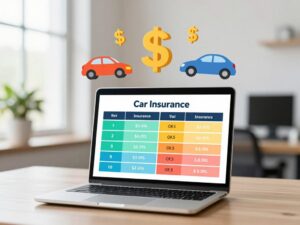
Here’s a comparison of average annual premiums for young drivers from top insurance companies:
| Insurance Company | Average Annual Premium for Young Drivers |
|---|---|
| Progressive | $2,300 |
| Geico | $2,100 |
| State Farm | $2,500 |

Top Insurance Companies Offering Affordable Rates for Young Drivers
The quest for affordable car insurance is a significant concern for young drivers, with several top insurance companies stepping up to offer competitive rates. These companies understand the challenges faced by young drivers and have tailored their insurance products to be more budget-friendly.

Progressive Insurance Options for Young Drivers
Progressive is known for its competitive pricing and innovative insurance products. For young drivers, Progressive offers a range of discounts, including those for good grades and driver’s education courses. Their Name Your Price feature allows customers to choose their premium, making it more accessible for young drivers to find affordable insurance.
Geico Programs for New Drivers
Geico is another insurance provider that offers affordable rates for young drivers. Geico’s programs include discounts for driver training courses and good academic performance. Their user-friendly online platform makes it easy for young drivers to compare rates and manage their policies.
State Farm Young Driver Discounts
State Farm is a well-established insurance company that offers a variety of discounts for young drivers, including the Drive Safe & Save program, which rewards safe driving habits. State Farm also offers discounts for good grades and completing driver’s education courses.
Other Competitive Providers
In addition to Progressive, Geico, and State Farm, other insurance companies are also offering competitive rates for young drivers.
Allstate
Allstate offers a Drivewise program that tracks driving habits and offers discounts for safe driving. This program is particularly beneficial for young drivers who want to demonstrate their safe driving practices.
Liberty Mutual
Liberty Mutual provides a range of coverage options for young drivers and offers discounts for good grades and driver’s education courses. Their RightTrack program is a usage-based insurance option that rewards safe driving habits.
These top insurance companies are making it easier for young drivers to find economical car insurance without compromising on coverage. By exploring the options and discounts offered by these providers, young drivers can significantly reduce their insurance premiums.
Essential Coverage Types for Young Drivers
Understanding the right insurance coverage is crucial for young drivers to ensure they are adequately protected on the road. Young drivers must navigate through various insurance options to determine the best coverage for their needs.
Minimum Required Coverage vs. Recommended Coverage
It’s essential to differentiate between the minimum required coverage by law and the coverage that is recommended for adequate protection. State laws vary regarding the minimum insurance requirements.
State Minimum Requirements
State minimum requirements typically include liability coverage, which covers damages to others in an accident. For instance, in California, drivers must have at least $15,000 in bodily injury liability per person and $30,000 per accident.
Additional Coverages Worth Considering
Beyond the minimum required coverage, young drivers should consider additional coverages such as collision, comprehensive, and personal injury protection. These coverages provide more extensive financial protection against various risks.
When to Consider Full Coverage vs. Liability Only
The decision between full coverage and liability-only insurance depends on several factors, including the value of the vehicle and the driver’s financial situation.
Vehicle Value Considerations
For young drivers with a financed or leased vehicle, full coverage is often required by the lender. For owned vehicles, the decision to opt for full coverage depends on the vehicle’s value and the cost of premiums.
Financial Protection Analysis
A financial protection analysis involves weighing the costs of premiums against the potential costs of damages or losses not covered by liability-only insurance. A table comparing the costs can help illustrate this decision:
| Coverage Type | Annual Premium | Deductible |
|---|---|---|
| Liability Only | $800 | N/A |
| Full Coverage | $1,500 | $500 |
Discounts and Savings Programs for Young Drivers
To make car insurance more affordable, young drivers can take advantage of numerous discounts and savings opportunities. Insurance companies offer a variety of programs designed to help reduce premiums for young drivers.
Academic Achievement Discounts
Many insurance providers offer discounts to students who excel academically. These discounts are based on the premise that good students are more responsible and less likely to be involved in accidents.
Good Student Discounts
Good student discounts are available to students who maintain a high grade point average (GPA). Typically, a GPA of 3.0 or higher is required to qualify for this discount.
College Student Away Discounts
College students who attend school away from home may be eligible for a discount if they do not bring their vehicle with them. This can significantly reduce their insurance premiums.
Driver Training and Education Discounts
Completing driver training or education courses can also lead to insurance discounts. These programs teach young drivers safe driving techniques and help reduce the risk of accidents.
Defensive Driving Courses
Defensive driving courses are designed to teach drivers how to anticipate and avoid hazards on the road. Many insurance companies offer discounts to drivers who complete these courses.
Driver’s Education Programs
Driver’s education programs are typically required for new drivers. Completing these programs can result in lower insurance premiums, as they indicate a level of driving proficiency.
Telematics and Usage-Based Insurance Options
Telematics and usage-based insurance involve the use of devices or mobile apps to track driving habits. Safe driving practices can lead to discounts on insurance premiums.
Multi-Policy and Family Plan Discounts
Young drivers can also save by being part of a multi-policy or family plan. When multiple family members are insured under the same provider, discounts are often available.
By exploring these discounts and savings programs, young drivers and their families can significantly reduce their car insurance costs. It’s essential to discuss these options with your insurance provider to determine the best approach for your situation.
Building a Positive Driving Record to Lower Premiums
A positive driving history is key to securing economical auto insurance for youthful drivers. By maintaining a clean driving record, young drivers can significantly reduce their insurance costs over time.
Safe Driving Habits That Reduce Insurance Costs
Safe driving habits are crucial for lowering insurance premiums. Young drivers should focus on avoiding traffic violations and preventing accidents.
Avoiding Traffic Violations
Traffic violations, such as speeding tickets or running red lights, can significantly increase insurance rates. Young drivers should always follow traffic laws to avoid these costly penalties.
Preventing Accidents
Accidents, even minor ones, can impact insurance costs. Defensive driving techniques and staying alert on the road can help prevent accidents.
How Long It Takes for Rates to Improve
The time it takes for insurance rates to improve varies based on several factors, including the driver’s history and the insurance provider’s policies.
First Year Milestones
In the first year, avoiding any major violations or accidents can lead to slight reductions in premiums. Insurance companies often review driving records annually.
Long-Term Premium Reduction Timeline
Over the long term, consistent safe driving habits can lead to significant premium reductions. Some insurance providers offer good driver discounts after a few years of safe driving.
By following safe driving practices and maintaining a clean driving record, young drivers can achieve cheap car insurance rates. It’s also beneficial to explore various insurance options and take advantage of discounts for good academic performance or driver’s education courses.
- Maintain a clean driving record
- Take advantage of good student discounts
- Explore usage-based insurance options
How Parents Can Help Young Drivers Save on Insurance
Parents have a significant influence on their young drivers’ insurance costs, and making informed decisions can lead to substantial savings. By understanding the factors that affect insurance rates and taking proactive steps, parents can help their young drivers secure cost-effective car insurance plans.
Adding Young Drivers to Existing Policies
One effective way to save on insurance is by adding young drivers to the parents’ existing policy. This approach can be more cost-effective than purchasing a separate policy for the young driver. According to industry experts, “adding a teen driver to a parent’s policy can be up to 40% cheaper than buying a separate policy”
“Adding a teen driver to a parent’s policy can be a cost-effective strategy.” –
Parent-Teen Driving Agreements
Implementing a parent-teen driving agreement can also help reduce insurance costs. This agreement outlines the rules and expectations for the young driver, promoting safe driving habits.
Setting Clear Expectations
By setting clear expectations, parents can encourage their young drivers to follow safe driving practices, potentially leading to lower insurance premiums.
Sharing Insurance Costs
Discussing and sharing insurance costs with young drivers can help them understand the financial implications of their driving habits and encourage responsible behavior.
Vehicle Ownership Considerations
The type of vehicle owned by a young driver can significantly impact insurance costs. Parents should consider the safety features and insurance costs associated with a vehicle before transferring ownership to their young driver.
By following these strategies, parents can help their young drivers save on insurance and develop good driving habits that will benefit them in the long run.
Common Insurance Mistakes Young Drivers Should Avoid
As a young driver, avoiding common insurance mistakes is crucial for securing budget-friendly car insurance. Many young drivers make errors that can lead to higher premiums, but being aware of these mistakes can help them navigate the insurance landscape more effectively.
Underinsuring to Save Money
One of the most significant mistakes young drivers make is underinsuring their vehicles to save money. While it might seem like a good idea to lower premiums by reducing coverage, it can lead to financial hardship if an accident occurs. It’s essential to strike a balance between affordable premiums and adequate coverage.
Failing to Update Policy Information
Another critical mistake is failing to update policy information. Young drivers often experience changes in their circumstances, such as moving to a new address or getting married, which can affect their insurance rates. Keeping policy information up to date ensures that young drivers are not overpaying or underinsured.
Missing Out on Available Discounts
Many young drivers miss out on available discounts that can significantly reduce their insurance premiums. Insurance companies offer various discounts, such as academic achievement discounts, driver training discounts, and more.
Loyalty Discounts
Some insurance providers offer loyalty discounts to customers who stay with them for an extended period. Young drivers should inquire about these discounts when renewing their policies.
Bundling Opportunities
Bundling multiple insurance policies with the same provider can also lead to significant savings. Young drivers should explore bundling opportunities to lower their premiums.
By avoiding these common insurance mistakes, young drivers can secure more economical car insurance and save money in the long run. It’s crucial to be informed and proactive when dealing with car insurance to make the most of available discounts and savings programs.
Conclusion
Young drivers and their families can save on car insurance by understanding the factors that affect rates and leveraging available discounts. As discussed, insurance companies like Progressive, Geico, and State Farm offer affordable car insurance for young adults.
To get low cost auto insurance for new drivers, it’s essential to comparison shop, utilize online tools, and consider coverage types that meet their needs. By building a positive driving record and taking advantage of discounts, young drivers can lower their premiums over time.
Parents can also play a significant role in helping young drivers save on insurance by adding them to existing policies, creating parent-teen driving agreements, and considering vehicle ownership options. By making informed decisions, young drivers and their families can enjoy cheap car insurance for young drivers without compromising on coverage.
Ultimately, affordable car insurance for young adults is achievable through a combination of knowledge, planning, and smart decision-making. By following the tips outlined in this article, young drivers can get the coverage they need at a price they can afford.
FAQ
What are the most effective ways to lower car insurance rates for young drivers?
Young drivers can lower their car insurance rates by maintaining a good academic record, completing defensive driving courses, and driving a vehicle with advanced safety features. Additionally, being added to a parent’s policy and taking advantage of multi-policy discounts can also help reduce premiums.
How does the type of vehicle affect car insurance rates for young drivers?
The type of vehicle driven by young drivers significantly impacts their insurance rates. Vehicles with high safety ratings, anti-theft devices, and lower horsepower engines typically cost less to insure. Conversely, high-performance or luxury vehicles are more expensive to insure.
Can young drivers benefit from usage-based insurance programs?
Yes, young drivers can benefit from usage-based insurance programs, which track driving habits and reward safe driving practices with lower premiums. These programs can be particularly beneficial for young drivers who demonstrate responsible driving behaviors.
What discounts are available to young drivers, and how can they qualify?
Young drivers can qualify for various discounts, including good student discounts, driver training discounts, and telematics discounts. To qualify, they typically need to maintain a certain GPA, complete a driver’s education course, or participate in a usage-based insurance program.
How can parents help their young drivers save on car insurance?
Parents can help their young drivers save on car insurance by adding them to their existing policy, implementing parent-teen driving agreements, and encouraging safe driving habits. They can also explore discounts available for multi-vehicle policies and good student discounts.
What are the consequences of underinsuring as a young driver?
Underinsuring as a young driver can lead to significant financial losses in the event of an accident or other damages. It is essential for young drivers to understand the minimum required coverage in their state and consider additional coverage options to ensure adequate protection.
How long does it take for a young driver’s insurance rates to decrease?
Insurance rates for young drivers typically decrease as they gain more driving experience and maintain a clean driving record. The rate decrease can be seen within the first few years of driving, with more significant reductions occurring after a longer period of safe driving.
Are there any specific insurance companies that offer cheap car insurance for young drivers?
Several insurance companies, such as Progressive, Geico, and State Farm, offer competitive rates and discounts for young drivers. It’s essential to compare quotes from multiple providers to find the best rates.
What is the difference between liability-only and full coverage insurance for young drivers?
Liability-only insurance covers damages to others in an accident, while full coverage insurance also includes comprehensive and collision coverage, protecting the young driver’s vehicle. The choice between the two depends on the vehicle’s value, the driver’s financial situation, and state requirements.