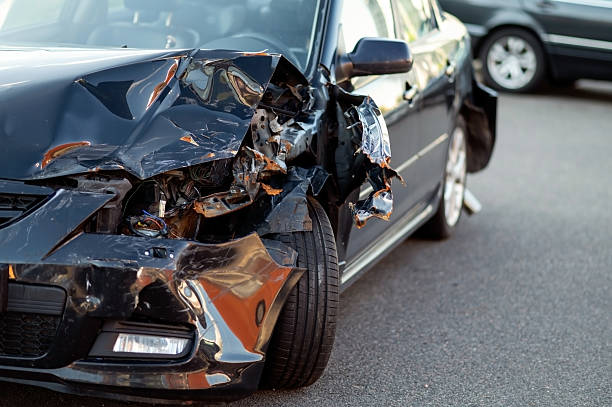
Close-up of damaged car part after accident showing broken metal and scratches
This Auto Accident No Insurance Guide explains what happens after a car accident without coverage, the legal and financial penalties you may face, and the essential steps to protect yourself and reduce costs in 2026

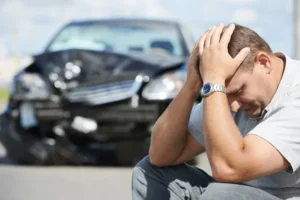
Being involved in a car crash is stressful enough, but when it happens without insurance coverage, the situation can become even more complicated.
If you’ve been in an uninsured motorist accident, understanding your options and the potential consequences is crucial.
A no insurance car accident can lead to significant financial and legal challenges. This guide is designed to help you navigate these complexities, providing clarity on the risks, legal consequences, and steps you can take to handle the situation effectively.
Key Takeaways
- Understanding the implications of being in a car accident without insurance
- Knowing the legal consequences of driving uninsured
- Exploring options for handling claims after an uninsured motorist accident
- Financial implications and how to manage them
- Steps to take immediately after a no insurance car accident
- Auto Accident No Insurance: What You Must Do Immediately to Avoid Fines
Understanding the Risks of Driving Without Insurance
Driving without insurance is a gamble that can have severe consequences on your financial stability and legal standing. The landscape of auto insurance requirements varies significantly across the United States, making it crucial for drivers to understand the specific laws in their state.
Legal Requirements Across States
Each state has its own set of minimum auto insurance requirements. For instance, some states mandate bodily injury liability coverage, while others require property damage liability. Understanding these requirements is essential to avoid legal penalties.
Minimum Coverage Requirements
The minimum coverage required varies by state, but typically includes:
- Bodily injury liability coverage
- Property damage liability coverage
- Personal injury protection (PIP) in some states
Penalties for Driving Uninsured
Driving without insurance can result in severe penalties, including:
Fines and Tickets
Fines for driving uninsured can be substantial, often ranging from $500 to $1,000 for the first offense. Repeat offenses can lead to even higher fines and potentially, vehicle impoundment.
Criminal Charges in Serious Cases
In serious cases, such as accidents involving significant property damage or bodily injury, driving without insurance can lead to criminal charges, including misdemeanors or even felonies, depending on the severity of the incident.
It’s critical to understand that driving without insurance not only puts you at financial risk but also exposes you to legal repercussions that can have long-term consequences.
What to Do Immediately After an Auto Accident With No Insurance

After an auto accident, lacking insurance coverage can complicate matters, but a calm and informed response can help mitigate the issue. Knowing the right steps to take immediately after can significantly impact the outcome.
Safety First: Securing the Scene
The first priority is to ensure everyone’s safety. Move to a safe location if the accident happened on a busy road. Turn on hazard lights to alert other drivers. Check for injuries and provide assistance if needed. If anyone is injured, call emergency services right away.
Documenting the Accident Thoroughly
Once the scene is secure, document the accident thoroughly. Take photos of the vehicles involved, the surrounding area, and any visible damages or injuries. Exchange contact information with the other parties involved, including names, phone numbers, and addresses.
Communicating With Other Parties
Be cooperative and exchange information with other drivers. Avoid admitting fault or discussing insurance coverage at this stage. Stick to the facts when describing the accident.
When and How to Contact Authorities
Contact the police to report the accident, especially if there are injuries or significant property damage. When filing a report, provide factual information. Be honest about your insurance status when asked.
What to Say About Your Insurance Status
When questioned about insurance, be truthful but cautious. You can say, “I’m not insured,” without elaborating further. Avoid making statements that could be interpreted as admitting liability.
Legal Consequences of Being in an Auto Accident No Insurance Situation
When you’re in a collision as an uninsured driver, the legal fallout can be significant. Being involved in an auto accident without insurance not only puts you at financial risk but also exposes you to various legal consequences that can vary significantly by state.
Potential Criminal Charges by State
Depending on the jurisdiction, driving without insurance can lead to criminal charges. Some states consider it a misdemeanor, potentially resulting in fines or even jail time. For instance, in certain states, a first offense might result in a fine, while subsequent offenses could lead to more severe penalties.
License Suspension and Vehicle Registration Issues
An accident without insurance can lead to the suspension of your driver’s license and vehicle registration. This suspension can last until you provide proof of insurance and pay any required reinstatement fees. In some cases, your vehicle registration might be revoked.
SR-22 Requirements and Future Insurance
After an uninsured accident, you may be required to file an SR-22 form, which is a certificate of financial responsibility. This requirement can significantly increase your insurance premiums, as you’ll be considered a high-risk driver. The SR-22 filing is usually mandated for several years, depending on state regulations.
Court Proceedings and What to Expect
If you’re involved in an accident without insurance, you may need to appear in court. This could be to face charges related to driving uninsured or to resolve disputes related to the accident. It’s crucial to be prepared for court proceedings by understanding the charges against you and potentially seeking legal representation.
Understanding these legal consequences can help you prepare for the potential outcomes of being in an auto accident without insurance. It’s essential to be aware of your state’s specific laws and the potential long-term impacts on your driving privileges and insurance costs.
Financial Implications of Accidents Without Insurance
When you’re in a car wreck as an uninsured motorist, the financial repercussions can be overwhelming. The lack of insurance coverage exposes you to a myriad of financial risks that can impact your economic stability for years to come.
Personal Liability for Property Damages
If you’re at fault in an accident without insurance, you may be held personally liable for damages to other vehicles or property. This can include repair costs for other cars, medical bills, and even compensation for lost wages or pain and suffering. The financial burden can be substantial, potentially leading to significant out-of-pocket expenses.
Medical Expenses and Bodily Injury Costs
Medical expenses following an accident can quickly escalate, especially if there are severe injuries involved. Without insurance, you’re responsible for these costs, which can include hospital stays, surgeries, rehabilitation, and ongoing medical care. The financial strain of these expenses can be crippling.
Wage Garnishment and Asset Seizure Risks
If you’re unable to pay for damages or medical expenses, there’s a risk of wage garnishment or asset seizure. Creditors may take legal action to recover their losses, which can lead to a portion of your wages being garnished or your assets being seized to satisfy the debt.
Long-term Credit and Financial Impact
The long-term financial implications of an accident without insurance can be severe. Unpaid debts can negatively affect your credit score, making it harder to secure loans or credit in the future. This can limit your financial options and hinder your ability to achieve long-term financial goals.
In conclusion, the financial implications of being in a car accident without insurance are far-reaching and can have a lasting impact on your financial health. Understanding these risks is crucial for managing the aftermath of such an incident.
Options for Handling Claims as an Uninsured Driver

Handling claims as an uninsured driver involves navigating through various legal and financial complexities. When you’re involved in an auto accident without insurance, the process can be overwhelming, but understanding your options can help mitigate the stress and financial burden.
Negotiating Directly With the Other Party
One of the first steps you can take is negotiating directly with the other party involved in the accident. This approach requires effective communication and a clear understanding of the damages and injuries sustained. It’s essential to remain calm and professional during these negotiations to reach a mutually acceptable agreement.
Key considerations when negotiating directly include:
- Assessing the total damages and costs incurred
- Gathering evidence to support your claim
- Being prepared to negotiate and potentially compromise
Creating Payment Plans and Settlement Agreements
If direct negotiation is successful, creating a payment plan or settlement agreement can help manage the financial implications of the accident. This can involve setting up a structured payment schedule or agreeing on a lump sum settlement. It’s crucial to document these agreements properly to avoid future disputes.
Benefits of structured payment plans include:
- Reducing the immediate financial burden
- Allowing for more manageable payments over time
- Providing a clear plan for resolving the financial aspects of the claim
When to Consider Legal Representation
In some cases, negotiating directly or creating payment plans may not be feasible or successful. When this happens, it may be necessary to consider seeking legal representation. An attorney can provide guidance on your legal rights and options, help navigate the complexities of the law, and represent you in negotiations or court proceedings.
Signs that you may need legal representation include:
- Disputes over fault or the extent of damages
- Significant injuries or complex medical issues
- Substantial financial losses or potential long-term impacts
Bankruptcy as a Last Resort Option
In extreme cases where the financial implications of an uninsured driver accident are overwhelming, bankruptcy may be considered as a last resort. This decision should not be taken lightly, as it has long-term implications for your credit and financial standing. Consulting with a financial advisor or bankruptcy attorney can help you understand the potential consequences and whether it’s the best option for your situation.
When You’re Hit by an Uninsured Driver
Uninsured drivers pose a significant risk on the road, and knowing how to protect yourself is essential. If you’re hit by someone without insurance, understanding your options can greatly reduce the financial and legal impacts.
Understanding Your Uninsured Motorist Coverage
Uninsured motorist coverage is a crucial component of your auto insurance policy. It protects you when you’re involved in an accident with someone who doesn’t have insurance or is underinsured. This coverage can help pay for medical expenses, lost wages, and other damages.
For instance, if you’re hit by an uninsured driver and suffer injuries, your uninsured motorist coverage can be used to cover your medical bills. It’s essential to review your policy to understand the limits of your coverage.
Filing a Claim With Your Insurance Company
Filing a claim for an accident involving an uninsured driver can be complex. You should notify your insurance company as soon as possible. They will guide you through the process, which typically involves providing details about the accident, the other driver’s insurance status, and any injuries or damages sustained.
“The insurance company’s role is to support you in getting back on your feet after an accident. Understanding your policy and the claims process can make a significant difference.”
Pursuing Legal Action Against the At-Fault Driver
If the at-fault driver is uninsured, pursuing legal action may be necessary to recover damages. This can involve filing a lawsuit against the driver to seek compensation for your losses.
| Action | Description | Potential Outcome |
|---|---|---|
| Filing a Lawsuit | Pursuing legal action against the at-fault driver | Recovering damages for medical expenses, lost wages, and other losses |
| Negotiating a Settlement | Reaching an agreement with the at-fault driver or their legal representation | Avoiding a lengthy court process and potentially receiving quicker compensation |
Medical Payment Coverage Options
Medical payment coverage, also known as MedPay, can help cover medical expenses resulting from an accident, regardless of fault. Understanding your MedPay coverage can provide additional financial protection.
Being prepared and informed is key to navigating the challenges of being hit by an uninsured driver. Reviewing your insurance coverage, understanding the claims process, and knowing your legal options can significantly reduce the stress and financial burden of such an incident.
Special Scenarios in Uninsured Accidents
Special scenarios in uninsured accidents present unique challenges that require careful navigation of insurance and legal issues. Understanding these situations can help individuals better cope with the complexities that arise.
Hit and Run Incidents: Steps to Take
In the event of a hit and run accident, it’s crucial to remain calm and follow specific steps. First, ensure your safety and the safety of others involved. Then, document as much information as possible about the incident, including any witness statements.
Key actions include: reporting the incident to the police immediately, gathering evidence, and notifying your insurance company if you have uninsured motorist coverage.
Accidents in No-Fault Insurance States
No-fault insurance states have specific regulations that may affect how claims are handled. In these states, drivers typically file claims with their own insurance company, regardless of who was at fault.
“No-fault insurance is designed to streamline the claims process and reduce litigation. However, it can be complex to navigate without proper understanding.”
Borrowed Vehicle and Permissive Use Situations
When driving a borrowed vehicle, the insurance coverage can be complex. Generally, the vehicle’s owner’s insurance is primary, but the driver’s insurance may also be relevant.
| Situation | Primary Insurance |
|---|---|
| Driving someone else’s car with permission | Vehicle owner’s insurance |
| Driving someone else’s car without permission | Driver’s insurance (if any) |
Rental Car Accidents Without Insurance
If you’re involved in a rental car accident without insurance, you may be liable for damages. Many credit cards offer rental car insurance as a benefit, so it’s worth checking your card’s terms.
Understanding these special scenarios can significantly impact how you handle uninsured accidents. Being informed is key to navigating these complex situations effectively.
Getting Back on the Road Legally
The journey to legally drive again after an uninsured accident is multifaceted, involving insurance, legal, and financial considerations. To regain your driving privileges, you must address these aspects comprehensively.
Finding Affordable Insurance After an Accident
After an uninsured accident, securing affordable insurance can be challenging. However, it’s a crucial step towards getting back on the road legally. You can start by comparing quotes from different insurance providers and looking for insurers that specialize in high-risk drivers.
Tips for Finding Affordable Insurance:
- Shop around and compare quotes from multiple insurers.
- Consider usage-based insurance if you’re a safe driver.
- Improve your credit score to potentially lower your premiums.
State Assistance and High-Risk Insurance Programs
Many states offer assistance programs for drivers who have been involved in uninsured accidents. These programs can provide more affordable insurance options or help you get back on the road.
| State | Program Name | Description |
|---|---|---|
| California | California Automobile Assigned Risk Plan (CAARP) | Provides insurance for high-risk drivers. |
| Florida | Florida Automobile Joint Underwriting Association (FAJUA) | Offers insurance to those unable to secure it through regular channels. |
Alternatives to Traditional Auto Insurance
For some drivers, alternatives like non-owner insurance policies or pay-per-mile insurance might be more suitable and affordable.
Rebuilding Your Driving Record and Financial Standing
Rebuilding your driving record involves avoiding further infractions and potentially taking defensive driving courses. Improving your financial standing can be achieved by managing your debt and making timely payments.
Rebuilding your driving record and financial health not only helps you regain your driving privileges but also improves your overall financial stability.
Conclusion: Protecting Yourself on the Road
Being involved in an auto accident without insurance can have severe consequences, both legally and financially. Understanding the risks and taking proactive steps can help mitigate these impacts. This auto accident no insurance guide has outlined the necessary actions to take after an accident, including securing the scene, documenting the incident, and communicating with other parties involved.
When a collision involves an uninsured driver, the situation can become complex. Protecting yourself on the road involves not only having the necessary insurance coverage but also knowing how to handle an accident. By being informed and prepared, individuals can reduce the potential consequences of being in a collision uninsured driver situation.
In the aftermath of an accident, getting back on the road legally is a priority. This involves finding affordable insurance, potentially through state assistance or high-risk insurance programs, and rebuilding one’s driving record and financial standing. By taking these steps, individuals can ensure they are protected and compliant with legal requirements, thereby protecting themselves on the road.
FAQ
What happens if I’m involved in an auto accident and I don’t have insurance?
If you’re involved in an auto accident without insurance, you may face legal penalties, fines, and potential criminal charges, depending on the state and severity of the accident. You may also be personally liable for damages and medical expenses.
Can I still file a claim if I’m hit by an uninsured driver?
Yes, if you have uninsured motorist coverage as part of your insurance policy, you can file a claim with your insurance company to cover damages and medical expenses.
What are the consequences of driving without insurance?
Driving without insurance can result in fines, license suspension, and vehicle registration issues. You may also be at risk of wage garnishment and asset seizure if you’re found liable for damages or injuries.
How can I get back on the road legally after an accident without insurance?
To get back on the road, you may need to secure an SR-22 certificate, obtain high-risk insurance, or participate in a state assistance program. Rebuilding your driving record and financial standing can also help.
What should I do immediately after an auto accident if I don’t have insurance?
After an accident, ensure your safety and the safety of others, document the scene, and exchange information with other parties involved. You should also contact the authorities and be prepared to provide information about the accident.
Can I negotiate directly with the other party involved in the accident?
Yes, you can attempt to negotiate directly with the other party, but it’s essential to be cautious and consider seeking legal representation to protect your rights.
What is uninsured motorist coverage, and how does it work?
Uninsured motorist coverage is a type of insurance that protects you if you’re hit by a driver without insurance. It can help cover damages and medical expenses.
How do I handle a hit and run incident without insurance?
If you’re involved in a hit and run incident without insurance, report the incident to the authorities immediately and try to gather as much information as possible about the other vehicle. You may also need to file a claim with your own insurance company if you have uninsured motorist coverage.
Can I still drive my vehicle after an accident without insurance?
Depending on the state and the circumstances of the accident, your vehicle may be impounded or you may face license suspension. It’s crucial to address the insurance and legal issues promptly to minimize further consequences.
Are there alternatives to traditional auto insurance?
Yes, some states offer alternatives to traditional auto insurance, such as self-insurance or bonding. You can also explore high-risk insurance programs or state assistance programs if you’re having trouble obtaining traditional insurance.