Two Drivers Exchange Insurance Details After Accident Using Mobile Phones
Getting behind the wheel for the first time is an exciting milestone, but it also comes with significant responsibilities, including securing the right car insurance. As a new driver, understanding your insurance options is crucial for financial protection and peace of mind.

Navigating the world of insurance for young drivers can be daunting, with various policies and rates available. Being informed about your choices can help you make the best decision for your needs and budget.
Key Takeaways
- Understanding the basics of car insurance is essential for new drivers.
- New driver car insurance rates can vary significantly based on several factors.
- Comparing insurance options can help you find the best coverage for your budget.
- Being informed about your insurance choices can provide financial protection and peace of mind.
- Several factors influence new driver car insurance rates, including age and driving history.
- Car Insurance for New Drivers
What New Drivers Need to Know About Auto Insurance
The world of auto insurance is complex, but new drivers must familiarize themselves with its essentials. Auto insurance is not just a legal requirement in most states; it also provides financial protection against physical damage or bodily injury resulting from traffic accidents, as well as liability that could arise from incidents in or out of the vehicle.
Why Insurance is Essential and Legally Required
Auto insurance is mandatory because it ensures that drivers can cover the costs associated with accidents, thereby reducing the financial burden on themselves and others. Liability coverage, a key component of auto insurance, helps pay for damages to others if you’re at fault in an accident. Without insurance, new drivers risk facing severe financial and legal consequences.
Key Insurance Terminology Decoded
Understanding key insurance terms is vital for new drivers. Let’s break down some essential terminology:
Premium, Deductible, and Coverage Limits
- Premium: The amount paid for an insurance policy, usually monthly or annually.
- Deductible: The amount paid out-of-pocket before the insurance coverage kicks in.
- Coverage Limits: The maximum amount an insurance policy will pay for a claim.
Claims Process Basics
The claims process involves notifying the insurance company of an incident, providing necessary documentation, and awaiting assessment and settlement. New drivers should understand that timely reporting and accurate information are crucial for a smooth claims process.

By grasping these fundamental concepts, new drivers can make informed decisions about their auto insurance, ensuring they are adequately protected on the road.
Types of Car Insurance Coverage for New Drivers
As a new driver, understanding the various types of car insurance coverage available is crucial for making informed decisions. Car insurance is not just a legal requirement; it’s also a financial safety net in case of accidents or other damages.
Liability Coverage: The Bare Minimum
Liability coverage is the minimum required by law in most states. It covers damages to other people or property in an accident. For new drivers, having at least the minimum liability coverage is essential to avoid legal penalties.
Collision and Comprehensive Protection
Collision coverage pays for damages to your vehicle in the event of an accident, regardless of fault. Comprehensive coverage, on the other hand, covers damages not related to accidents, such as theft or natural disasters. Both are crucial for protecting your investment.
Uninsured/Underinsured Motorist Coverage
This coverage protects you if you’re involved in an accident with someone who doesn’t have insurance or doesn’t have enough insurance to cover the damages. It’s a vital consideration for new drivers.
Medical Payment Options and Personal Injury Protection
Medical payments coverage helps pay for medical expenses for you and your passengers, regardless of fault. Personal Injury Protection (PIP) is similar but often more comprehensive, covering additional expenses like lost wages.
When PIP is Required vs. Optional
PIP is mandatory in some states, known as no-fault states, while it’s optional in others. Understanding your state’s requirements can help you make the right choice.
To compare and find affordable car insurance for new drivers, it’s essential to understand these coverage types. You can use online tools to compare car insurance rates for new drivers and find the best deals. Some insurers offer cheap car insurance for new drivers with various discounts.
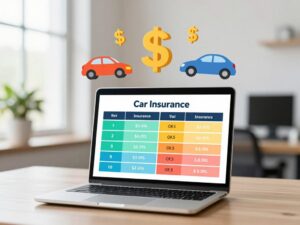
| Coverage Type | Description | Importance for New Drivers |
|---|---|---|
| Liability | Covers damages to others | High |
| Collision | Pays for vehicle damages | Medium |
| Comprehensive | Covers non-accident damages | Medium |
| Uninsured/Underinsured Motorist | Protects against uninsured drivers | High |

Factors That Influence Car Insurance for New Drivers
Understanding the factors that influence car insurance rates is crucial for new drivers. Several elements come into play when insurance companies determine premiums, and being aware of these can help new drivers make informed decisions.
Age and Limited Driving History
New drivers, especially those under the age of 25, often face higher insurance rates due to their limited driving history and perceived higher risk. Insurance companies view younger drivers as more likely to be involved in accidents, which increases premiums. Maintaining a clean driving record and avoiding accidents or traffic violations can help mitigate these costs over time.
Vehicle Selection and Safety Features
The type of vehicle driven by a new driver can significantly impact insurance rates. Cars with advanced safety features such as anti-lock brakes, electronic stability control, and anti-theft devices can qualify for lower premiums. On the other hand, high-performance or luxury vehicles typically cost more to insure.
Geographic Location and Driving Patterns
Where a new driver lives and drives plays a significant role in determining insurance rates. Urban areas tend to have higher rates of accidents and theft, leading to higher premiums.
Urban vs. Rural Rate Differences
Insurance rates can vary significantly between urban and rural areas. Urban drivers often face higher premiums due to increased traffic congestion and crime rates. In contrast, rural drivers may enjoy lower rates due to less traffic and lower crime rates.

- Urban areas: Higher premiums due to increased traffic and crime.
- Rural areas: Lower premiums due to less traffic and lower crime rates.
By understanding these factors, new drivers can take steps to manage their insurance costs effectively.
The Real Cost of Car Insurance for New Drivers
The cost of car insurance for new drivers can vary significantly based on several factors, including age and location. Understanding these factors is crucial for new drivers to manage their insurance expenses effectively.
Average Premium Expectations by Age
New drivers, especially teenagers, often face higher premiums due to their limited driving experience. On average, drivers under 25 years old can expect to pay more for car insurance compared to older, more experienced drivers.

Regional Price Variations Across States
Car insurance costs can also vary significantly across different states due to factors like local regulations, crime rates, and population density. For instance, states with higher population densities or more stringent insurance requirements may have higher premiums.
How Costs Decrease Over Time
As new drivers gain more experience and maintain a clean driving record, their insurance costs typically decrease. Additionally, qualifying for certain discounts, such as good student discounts or completing a driver’s education course, can further reduce premiums.
How to Compare Car Insurance Rates for New Drivers
The key to finding affordable car insurance as a new driver lies in effectively comparing insurance quotes. With numerous insurance providers offering a range of coverage options, comparing rates can help new drivers identify the most cost-effective and comprehensive policies.
Effective Strategies for Quote Comparison
To compare car insurance quotes effectively, new drivers should start by gathering all necessary information. Having the right details on hand can streamline the comparison process.
What Information to Have Ready
- Vehicle make, model, and year
- Driver’s license number
- Current insurance history (if applicable)
- Vehicle identification number (VIN)
Reading Between the Lines of Quotes
When reviewing insurance quotes, it’s not just about the premium cost. New drivers should also consider coverage limits, deductibles, and any additional features or services included.
Online Comparison Tools and Aggregators
Utilizing online comparison tools can simplify the process of comparing car insurance rates. These platforms allow new drivers to quickly view and compare multiple quotes from different insurers.
Direct Insurers vs. Independent Agents
New drivers can obtain insurance quotes directly from insurance companies or through independent agents. While direct insurers may offer competitive rates, independent agents can provide valuable guidance and help tailor coverage to individual needs.
By following these strategies and utilizing the right resources, new drivers can effectively compare car insurance rates and find a policy that meets their needs and budget.
Money-Saving Discounts Available to New Drivers
New drivers can significantly reduce their car insurance costs by leveraging various discounts that insurers offer. Insurance companies provide a range of discounts to encourage safe driving, academic achievement, and other beneficial behaviors.
Academic Achievement Discounts
Many insurers offer discounts to students who maintain good grades. This is based on the premise that students who perform well academically are likely to be more responsible drivers. To qualify, students typically need to maintain a certain GPA, often 3.0 or higher.
Driver Training and Education Discounts
Completing a driver’s education course can not only improve driving skills but also qualify new drivers for insurance discounts. These courses teach defensive driving techniques and are recognized by many insurance providers.
Vehicle Safety and Anti-Theft Discounts
Vehicles equipped with advanced safety features or anti-theft devices can qualify for lower insurance premiums. Features such as airbags, anti-lock brakes, and alarm systems can reduce the risk of accidents or theft, leading to discounts.
Family Plan and Multi-Policy Savings
New drivers can often save by being added to their parents’ insurance policy or by bundling multiple policies with the same insurer. This can include combining auto insurance with home or renters insurance, leading to significant savings.
By exploring these discount opportunities, new drivers can make their car insurance more affordable without compromising on coverage.
Best Car Insurance Companies for New Drivers
New drivers face unique challenges when seeking car insurance, but certain companies stand out for their tailored programs and benefits. As a new driver, it’s crucial to identify insurance providers that not only offer comprehensive coverage but also understand the needs of inexperienced drivers.
Top Providers with New Driver Programs
Several insurance companies have developed specific programs for new drivers, offering a range of benefits from flexible payment plans to driver training discounts. Some of the top providers include:
- Geico, known for its user-friendly interface and competitive rates.
- Progressive, which offers a Snapshot program that rewards safe driving habits.
- State Farm, providing a wide range of coverage options and a robust network of agents.
Coverage Options and Unique Benefits
These top providers offer a variety of coverage options, including liability, collision, and comprehensive coverage. Unique benefits may include:
- Accident forgiveness programs.
- Discounts for completing driver’s education courses.
- Usage-based insurance that adjusts premiums based on driving behavior.
Customer Service and Claims Satisfaction Ratings
When choosing an insurance company, customer service and claims satisfaction are crucial factors. Companies like USAA and Amica Mutual are often praised for their high customer satisfaction ratings. It’s essential to research and compare these aspects to ensure you’re getting the support you need.
Most Affordable Options for First-Time Drivers
For many new drivers, affordability is a key concern. Companies like Root Insurance offer usage-based insurance that can lead to lower premiums for safe drivers. Comparing quotes from multiple insurers and taking advantage of available discounts can also help reduce costs.
Tips for New Drivers Buying Car Insurance
Navigating the world of car insurance can be overwhelming for new drivers, but there are strategies to simplify the process. As a new driver, it’s essential to understand your insurance options to make informed decisions.
Determining Your Coverage Needs
Determining the right coverage involves assessing your financial situation, the value of your vehicle, and your driving habits. Consider the minimum coverage required by your state and whether additional coverage is necessary.
| Coverage Type | Description | Importance Level |
|---|---|---|
| Liability | Covers damages to others in an accident | High |
| Collision | Covers damages to your vehicle in an accident | Medium |
| Comprehensive | Covers non-accident damages (theft, natural disasters) | Medium |
Balancing Premiums vs. Deductibles
Balancing premiums and deductibles is crucial. Lower premiums often mean higher deductibles, and vice versa. Consider your financial situation to determine the best balance.
Adding to Parents’ Policy vs. Independent Coverage
New drivers often have the option to be added to their parents’ policy or purchase their own. Being on a parent’s policy can be cost-effective, but there are scenarios where having your own policy makes more sense.
When to Stay on a Family Plan
Staying on a family plan is often beneficial for new drivers, especially if they live with their parents. It can be more cost-effective and provide more comprehensive coverage.
When to Get Your Own Policy
If you move out, get married, or have significant financial changes, it might be time to consider your own policy. This allows for more control over your coverage and can be tailored to your specific needs.
By understanding your coverage needs, balancing premiums and deductibles, and deciding between a family plan and independent coverage, you can make informed decisions when buying car insurance as a new driver.
Technology and Programs That Lower New Driver Rates
Leveraging the right technology can be a game-changer for new drivers looking to save on car insurance. With the rise of digital innovations, insurance companies are now offering various programs and tools that can help reduce premiums.
Telematics and Usage-Based Insurance Options
Telematics devices and mobile apps are revolutionizing the way insurance companies assess driver risk. By tracking driving habits such as speed, braking, and mileage, these technologies enable insurers to offer usage-based insurance, which can be more cost-effective for safe drivers. According to a study, drivers who use telematics devices can save up to 30% on their insurance premiums.
“Usage-based insurance is a win-win for both insurers and drivers. It allows for more accurate risk assessment and rewards safe driving behaviors,” says an industry expert.
Safe Driving Apps with Insurance Rewards
Several safe driving apps are available that reward drivers for maintaining good driving habits. These apps track various driving metrics and provide feedback to help drivers improve. Many insurance companies offer discounts to drivers who use these apps, making them a valuable tool for new drivers looking to lower their insurance costs.
- Apps that monitor driving speed and braking habits
- Apps that track mileage and driving time
- Apps that provide feedback on driving behavior
Vehicle Monitoring Devices and Discounts
Installing vehicle monitoring devices can also lead to insurance discounts. These devices can deter theft, prevent accidents, and help insurers assess risk more accurately. Some insurance providers offer discounts for vehicles equipped with advanced safety features or anti-theft devices.
By embracing these technologies and programs, new drivers can not only lower their insurance rates but also develop safer driving habits. It’s a proactive step towards making car insurance more affordable and tailored to individual driving behaviors.
Common Insurance Pitfalls New Drivers Should Avoid
As new drivers navigate the complex world of car insurance, it’s crucial to be aware of potential pitfalls that could leave them financially vulnerable. Making informed decisions about car insurance is vital for new drivers, who often face higher premiums and limited experience.
Underinsuring to Save Money
One common pitfall is underinsuring to save money on premiums. While it might seem like a good idea to minimize upfront costs, being underinsured can lead to significant financial losses in the event of an accident or other damage. New drivers should carefully consider their coverage needs to avoid this trap.
Overlooking Important Coverage Options
Another mistake new drivers make is overlooking important coverage options. This can include not having adequate liability coverage, neglecting uninsured/underinsured motorist coverage, or omitting comprehensive and collision coverage. Understanding the different types of coverage available is crucial for making an informed decision.
Failing to Reassess Coverage as Needs Change
New drivers should also be aware that their insurance needs may change over time. As they gain more driving experience, their financial situation changes, or they acquire new assets, their insurance coverage should be adjusted accordingly. Regularly reassessing coverage needs can help ensure that new drivers remain adequately protected.
By being aware of these common pitfalls, new drivers can take steps to avoid them, ensuring they have the right coverage in place to protect themselves and their assets.
Managing Your First Car Insurance Policy
As a new driver, managing your first car insurance policy can seem daunting, but with the right guidance, it becomes straightforward. Effectively managing your policy not only ensures you comply with legal requirements but also protects you financially in case of unforeseen events.
Understanding Your Policy Documentation
Your car insurance policy documents are a treasure trove of information. They outline what is covered, the limits of your coverage, and the deductibles you need to pay. It’s crucial to read through these documents carefully to understand your policy’s terms and conditions.
Setting Up Digital Account Management
Most insurance providers offer digital account management tools. These allow you to view your policy details, make payments, and even file claims online or through a mobile app. Setting up these services can make managing your policy much more convenient.
The Claims Process Step-by-Step
Knowing how to navigate the claims process is vital. After an accident, you should:
- Ensure everyone’s safety and call the police if necessary.
- Exchange information with the other parties involved.
- Document the scene with photos.
- Notify your insurer as soon as possible.
What to Do After an Accident
After an accident, staying calm and following the proper steps can make a significant difference in the claims process. Keep a record of all correspondence with your insurer and follow up regularly to ensure your claim is processed efficiently.
Conclusion: Becoming a Confident, Insured Driver
As a new driver, navigating the world of car insurance can be overwhelming. However, with the right knowledge, you can make informed decisions and find the best car insurance for new drivers that suits your needs.
By understanding the different types of coverage, such as liability, collision, and comprehensive protection, you can ensure you’re adequately protected on the road. Factors like age, vehicle selection, and geographic location also play a significant role in determining your insurance rates.
To find affordable car insurance for new drivers, it’s essential to compare rates, take advantage of discounts, and consider usage-based insurance options. Companies like Geico, Progressive, and State Farm offer competitive rates and a range of coverage options.
By applying the knowledge gained from this guide, you can become a confident, insured driver, ready to take on the roads with peace of mind. Remember to regularly review and adjust your policy as your needs change, ensuring you always have the best car insurance for new drivers.
FAQ
What is the minimum car insurance required for new drivers?
The minimum car insurance required for new drivers varies by state, but typically includes liability coverage to cover damages to others in an accident.
How can new drivers lower their car insurance rates?
New drivers can lower their car insurance rates by taking advantage of discounts such as good student discounts, completing driver’s education courses, and choosing a vehicle with advanced safety features.
Is it cheaper for new drivers to be on their parents’ car insurance policy?
Being on a parent’s car insurance policy can be cheaper for new drivers, as it allows them to be covered under a more experienced driver’s policy, potentially reducing rates.
What is usage-based car insurance, and how can it benefit new drivers?
Usage-based car insurance uses telematics or mobile apps to track driving habits, offering discounts to safe drivers. New drivers can benefit by demonstrating safe driving behaviors.
Can new drivers get car insurance if they have a bad driving record?
Yes, new drivers with a bad driving record can still obtain car insurance, although rates may be higher. They may need to opt for a high-risk insurance provider or work on improving their driving record.
How do I compare car insurance rates as a new driver?
To compare car insurance rates, new drivers should gather quotes from multiple insurers, considering factors like coverage limits, deductibles, and available discounts.
Are there specific car insurance companies that cater to new drivers?
Yes, some car insurance companies offer programs specifically designed for new drivers, including discounts for good grades or completion of driver’s education courses.
What factors influence car insurance rates for new drivers?
Factors influencing car insurance rates for new drivers include age, driving history, vehicle type, location, and credit score.
How often should new drivers review their car insurance policy?
New drivers should review their car insurance policy regularly, especially after significant life changes, such as moving or gaining more driving experience, to ensure they have the right coverage at the best rate.