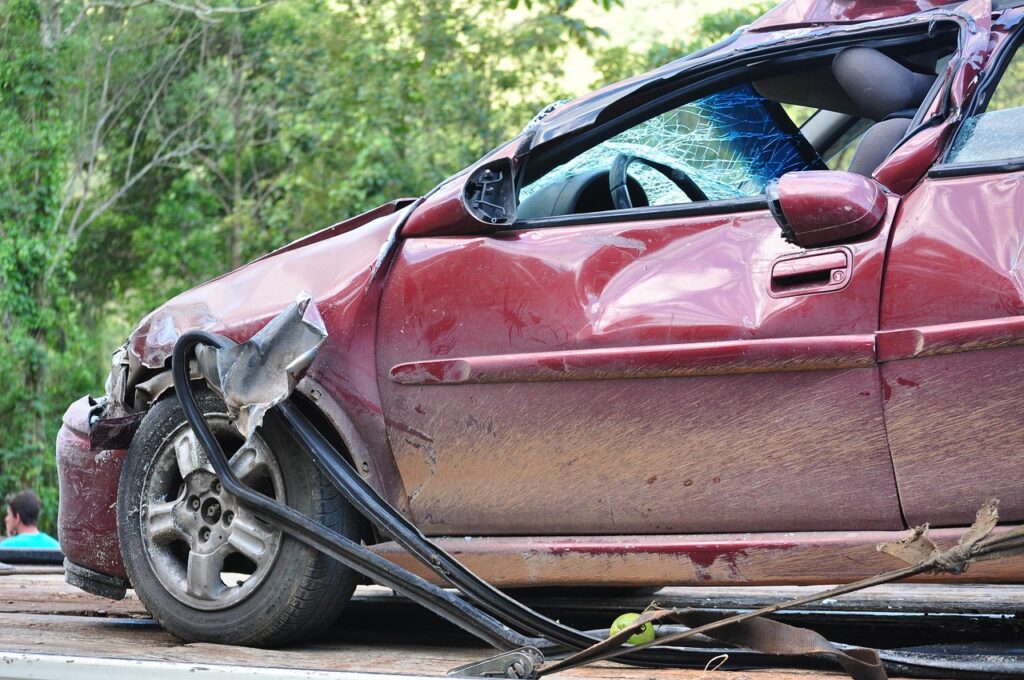
Car accident no insurance? Here’s what happens and what you should do immediately.
Being involved in a car crash is stressful enough, but when you’re uninsured, the situation can become even more complicated.

The consequences of driving without insurance coverage can be severe, including financial penalties and potential legal issues.
In this article, we’ll explore what happens when you’re involved in a car accident without insurance, and provide guidance on how to navigate the aftermath.
Key Takeaways
- Understanding the legal and financial implications of being uninsured after a car crash.
- The potential consequences of driving without insurance coverage.
- Steps to take immediately after being involved in a car accident without insurance.
- How to mitigate the financial impact of a car accident when you’re uninsured.
- Guidance on navigating the legal aspects of being involved in a car crash without insurance.
- Car Insurance Attorney Near Me
Understanding the Legal Requirements for Auto Insurance
Understanding the legal requirements for auto insurance is essential for drivers to avoid penalties and financial hardship. Auto insurance laws are not uniform across the United States; instead, they vary significantly from state to state.
Each state has its own minimum insurance requirements, which typically include liability coverage for bodily injury and property damage. The specifics of these requirements can differ substantially.
Minimum Insurance Requirements by State
Most states mandate a minimum level of auto insurance coverage, including bodily injury liability and property damage liability. For instance, some states require drivers to carry uninsured motorist coverage to protect against drivers without insurance.
Penalties for Driving Without Insurance
Driving without insurance can result in significant penalties, including fines, license suspension, and even vehicle impoundment. These penalties vary by state but are universally enforced to ensure compliance with insurance laws.
Why Insurance is Mandatory in Most States
Insurance is mandatory because it provides financial protection not only for the driver but also for other road users. It ensures that in the event of an accident, there are resources available to cover damages and medical expenses, thus reducing the financial burden on the state.

Immediate Consequences of a Car Accident with No Insurance
Being involved in a car accident without insurance can lead to severe immediate consequences. The repercussions of driving uninsured are not limited to the accident itself but extend to legal and financial troubles that can arise immediately after.
Traffic Citations and Fines
One of the immediate consequences is receiving traffic citations and fines. Driving without insurance is illegal in most states, and if caught, you can expect significant fines. These fines can vary widely depending on the jurisdiction but are typically substantial.
License Suspension and Vehicle Impoundment
In addition to fines, your driver’s license may be suspended, and your vehicle could be impounded. License suspension means you won’t be able to legally drive until you meet the state’s reinstatement requirements, which often include obtaining insurance.

Criminal Charges in Serious Cases
In serious cases, such as accidents involving significant property damage or injuries, criminal charges may be filed against you. This can lead to more severe penalties, including potential jail time.
SR-22 Requirements Following an Uninsured Accident
After an uninsured accident, you may be required to file an SR-22 form, which is a certificate of financial responsibility. This form is usually required for several years and can significantly increase your insurance premiums when you do obtain coverage.
| State | Minimum Insurance Requirement | SR-22 Requirement |
|---|---|---|
| California | $15,000/$30,000/$5,000 | Yes, for 3 years |
| Texas | $30,000/$60,000/$25,000 | Yes, for 2 years |
| Florida | $10,000/$20,000/$10,000 | No, but recommended |
Understanding these immediate consequences can help you navigate the complex situation following a car accident without insurance. It’s crucial to be aware of the potential legal and financial repercussions.
Financial Responsibility When You’re at Fault with No Insurance
Being at fault in a car accident without insurance can lead to severe financial consequences. When you’re involved in an accident and found to be at fault, you become personally responsible for the damages and injuries sustained by others.
This personal responsibility can extend to various aspects, including property damage and medical expenses for those involved.
Personal Liability for Property Damage
If you’re at fault, you may be liable for damages to other vehicles, property, or structures. This can include repair costs for vehicles, buildings, or other damaged property. The financial burden can be substantial, depending on the extent of the damage.
Responsibility for Medical Expenses and Injuries
Being at fault also means you’re responsible for medical expenses and any related costs for injuries sustained by others involved in the accident. This can include hospital bills, rehabilitation costs, and lost wages due to inability to work.
The scope of medical expenses can be broad, covering immediate care, long-term rehabilitation, and other related costs.
Asset Seizure and Wage Garnishment Risks
If you’re unable to pay for the damages or medical expenses, there’s a risk of asset seizure or wage garnishment. Creditors may take legal action to seize assets or garnish wages to recover the debts.
Bankruptcy Considerations After an Uninsured Accident
In extreme cases, the financial burden may be so significant that considering bankruptcy becomes an option. However, this should be considered a last resort due to its long-term implications on credit scores and financial stability.
It’s crucial to understand the implications and explore other options before making a decision.

What Happens If You’re Hit by an Uninsured Driver
When an uninsured driver hits you, knowing how to proceed can make a significant difference in your recovery. Being involved in a car accident is always stressful, and dealing with the aftermath can be overwhelming, especially when the other party lacks insurance.
Using Your Uninsured Motorist Coverage
If you’re hit by an uninsured driver, one of the first steps you can take is to utilize your uninsured motorist coverage. This type of coverage is designed to help pay for your medical expenses and damages when the at-fault driver doesn’t have insurance. It’s essential to review your insurance policy to understand the extent of your coverage.
Filing a Personal Injury Lawsuit
In some cases, filing a personal injury lawsuit against the uninsured driver may be necessary to seek compensation for your losses. This legal action can help you recover damages for medical bills, lost wages, and other related expenses. Consulting with an attorney who specializes in car accidents can provide guidance on the best course of action.
Steps to Document the Accident Properly
Proper documentation is crucial after being hit by an uninsured driver. This includes taking photos of the scene, gathering witness statements, and keeping detailed records of your medical treatment and expenses. Documenting the accident thoroughly will support your insurance claim or legal case, ensuring you receive the compensation you’re entitled to.
Car Accident No Insurance: Legal Options and Proceedings
When you’re uninsured and involved in a car accident, understanding your legal options is crucial. The absence of insurance coverage complicates the process, making it essential to know how to navigate the legal system effectively.
Navigating the Court System Without Insurance
Navigating the court system after an uninsured car accident can be daunting. It’s essential to understand the legal process, including court procedures and potential outcomes. Without insurance, you may face additional legal challenges, such as personal liability for damages.
Working with Attorneys When Uninsured
Working with an experienced attorney can significantly impact the outcome of your case. An attorney can help you understand your rights, negotiate with other parties involved, and represent you in court if necessary. It’s crucial to find an attorney who specializes in uninsured car accidents.
Statute of Limitations for Accident Claims
The statute of limitations dictates how long you have to file a claim after a car accident. This timeframe varies by state, making it vital to be aware of your state’s specific laws. Missing this deadline can result in losing your right to seek compensation.
Understanding the legal options and proceedings following a car accident without insurance is vital for protecting your rights and minimizing potential legal and financial consequences.
Medical Bills and Injury Claims Without Insurance
Being involved in a car accident without insurance can lead to significant financial strain, particularly when it comes to medical bills and injury claims. The immediate concern after an accident is often medical care, which can be costly.
Accessing Emergency Medical Care
Emergency medical care is crucial after a car accident. Hospitals are required to provide emergency care regardless of insurance status. However, this care comes at a cost, and individuals may receive substantial bills.
Personal Injury Protection and Medical Payment Options
Personal Injury Protection (PIP) and Medical Payments (MedPay) coverage can help pay for medical expenses after an accident. Even without insurance, some states require PIP coverage, which can cover medical bills and lost wages.
“Understanding your insurance options can significantly reduce the financial burden of medical bills after an accident.” – Insurance Expert
Negotiating with Healthcare Providers
Negotiating with healthcare providers is a viable option for reducing medical bills. Many providers are willing to work out payment plans or reduce charges for patients without insurance.
Medical Liens and Their Impact
A medical lien allows healthcare providers to claim payment from any future settlement or judgment related to the accident. While it can delay payment, it may provide a necessary financial bridge for immediate medical needs.
Understanding these options and being proactive can help manage the financial challenges associated with medical bills and injury claims after a car accident without insurance.
Vehicle Damage and Repair Options When Uninsured
Vehicle damage after a car accident is stressful enough, but when you’re uninsured, it can become a financial nightmare. Dealing with the aftermath requires understanding your options for repair and the potential financial implications.
Out-of-Pocket Repair Costs
Without insurance, you’re personally responsible for the costs associated with repairing your vehicle. This can be a significant financial burden, especially if the damage is extensive. It’s essential to get a detailed estimate from a mechanic to understand the full scope of the costs involved.
Collision Coverage from the Other Party
In some cases, if the other party is at fault, their insurance may cover the damages to your vehicle. This is typically handled through their collision coverage. However, this process can be complex and may require negotiation or even legal action to resolve.
Salvage and Total Loss Considerations
If your vehicle is severely damaged, it may be considered a total loss by the insurance company. In such cases, the insurance company (if the other party is at fault and has insurance) will typically pay out the vehicle’s value before the accident, minus any deductible. Understanding the salvage and total loss process is crucial for navigating these situations.
| Repair Option | Description | Financial Implication |
|---|---|---|
| Out-of-Pocket | Paying for repairs personally | High upfront costs |
| Other Party’s Insurance | Using the at-fault party’s collision coverage | Potential for reimbursement, but may involve legal action |
| Salvage/Total Loss | Vehicle deemed a total loss | Payout based on vehicle’s pre-accident value, minus deductible |
Understanding these options and their implications is crucial for managing the financial aftermath of a car accident when you’re uninsured. It’s also a reminder of the importance of having adequate insurance coverage to protect against such unforeseen events.
Settlement Negotiations Without Insurance Coverage
When you’re involved in a car accident without insurance, understanding the settlement negotiation process is crucial. Settlement negotiations can be complex, especially when you’re not backed by an insurance company. It’s essential to approach these negotiations with a clear understanding of your rights and the processes involved.
Dealing Directly with Insurance Companies
Dealing directly with insurance companies after an uninsured car accident can be intimidating. However, it’s a crucial step in negotiating a fair settlement. Insurance companies may try to minimize their payouts, so it’s vital to be prepared with documentation, including medical records, repair estimates, and evidence of lost wages. Being well-prepared can help you negotiate more effectively.
Key Tips for Dealing with Insurance Companies:
- Be honest and transparent about the accident details.
- Keep detailed records of all communications.
- Don’t rush to accept the first offer.
Payment Plans and Settlement Agreements
Understanding payment plans and settlement agreements is vital when negotiating without insurance. A settlement agreement is a legally binding contract that outlines the terms of the settlement, including the amount to be paid and the payment schedule. It’s crucial to review these agreements carefully and seek legal advice if necessary.
“A settlement agreement is a contract that should be taken as seriously as any other legal document. It’s essential to understand all the terms before signing.” – Legal Expert
When to Accept or Reject a Settlement Offer
Deciding whether to accept or reject a settlement offer depends on several factors, including the severity of your injuries, the extent of property damage, and the likelihood of receiving a better offer through negotiation or litigation. It’s essential to weigh the pros and cons carefully and consider seeking advice from a legal professional.
Consider the long-term implications of a settlement offer before making a decision.
By understanding the settlement negotiation process and being prepared, you can navigate the challenges of dealing with insurance companies without insurance coverage. Remember, it’s not just about reaching a settlement; it’s about ensuring that the settlement is fair and covers your needs.
Long-Term Financial and Credit Implications
Uninsured drivers involved in car accidents often face significant financial challenges in the aftermath. The consequences of driving without insurance can be far-reaching, affecting various aspects of one’s financial health.
The immediate financial strain can lead to long-term issues, including damage to credit scores and increased insurance rates in the future. Understanding these implications is crucial for mitigating potential financial hardship.
Impact on Credit Score
When an uninsured driver is involved in an accident, they may struggle to pay for damages or medical expenses, potentially leading to missed payments or debt accumulation. This can negatively affect their credit score, making it harder to secure loans or credit in the future.
Future Insurance Rate Increases
Being involved in an accident without insurance can lead to higher insurance premiums when the individual eventually seeks coverage. Insurers view uninsured drivers as higher-risk clients, resulting in increased rates.
Recovery from Financial Hardship
Recovering from the financial impact of an uninsured accident requires careful planning and management. Strategies include negotiating payment plans for outstanding debts, seeking financial counseling, and exploring affordable insurance options to prevent future rate hikes.
| Financial Challenge | Short-Term Impact | Long-Term Impact |
|---|---|---|
| Credit Score | Immediate decrease due to missed payments | Long-term decrease affecting creditworthiness |
| Insurance Rates | Initial inability to afford insurance | Increased premiums when insurance is obtained |
| Debt Management | Accumulation of debt from accident expenses | Potential for debt to affect financial stability |
Preventative Measures and Affordable Insurance Options
To avoid the financial and legal repercussions of being uninsured, it’s crucial to explore preventative measures and affordable insurance options. Being prepared and informed can significantly reduce the risks associated with driving without insurance.
Finding Budget-Friendly Insurance Coverage
Finding insurance that fits your budget can be challenging, but there are several strategies to make it more affordable. Comparing quotes from multiple insurance providers is a good start. Many insurers offer online tools that allow you to get a quote quickly. Additionally, considering insurance companies that offer low-cost auto insurance programs can be beneficial.
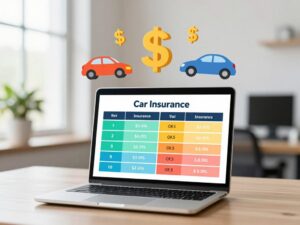
According to a recent study, drivers who compare at least three insurance quotes can save up to 20% on their premiums. Here is a comparison table:
| Insurance Provider | Average Annual Premium | Discounts Offered |
|---|---|---|
| Provider A | $1,200 | Good driver, student |
| Provider B | $1,500 | Multi-car, military |
| Provider C | $1,000 | Low-mileage, bundling |
State Assistance Programs for Low-Income Drivers
Many states offer assistance programs for low-income drivers who struggle to afford insurance. These programs can provide significant savings or even cover the cost of insurance for eligible drivers. For example, some states have programs that offer subsidized insurance rates for low-income individuals.
“State assistance programs can be a lifeline for low-income drivers, providing them with the insurance coverage they need to stay on the road legally and safely.”
Understanding Insurance Discounts and Bundling
Insurance companies often offer various discounts that can make coverage more affordable. These can include discounts for good driving records, bundling multiple policies with the same insurer, or being a student with good grades. Understanding and taking advantage of these discounts can significantly lower your insurance premiums.
By exploring these preventative measures and affordable insurance options, drivers can protect themselves from the financial and legal consequences of being uninsured. It’s about being proactive and making informed decisions.
Conclusion: Navigating the Aftermath of an Uninsured Accident
Dealing with the consequences of a car accident is challenging, especially when you don’t have insurance coverage. As discussed throughout this article, the implications can be severe, ranging from financial burdens to legal penalties.
Navigating the aftermath of an uninsured accident requires a clear understanding of your legal and financial responsibilities. If you’re at fault, you may be personally liable for damages and medical expenses, which can lead to asset seizure and wage garnishment.
In the event of a car accident with no insurance coverage, it’s crucial to explore your legal options and understand the potential proceedings. This may involve working with attorneys and navigating the court system.
To mitigate the consequences of an uninsured accident, consider preventative measures such as finding budget-friendly insurance coverage or utilizing state assistance programs if you’re a low-income driver.
In conclusion, being involved in a car accident without insurance coverage can have far-reaching consequences. By understanding the implications and taking proactive steps, you can better navigate the aftermath of an uninsured accident and work towards recovery.
FAQ
What happens if I’m involved in a car accident and I don’t have insurance?
If you’re involved in a car accident without insurance, you may face penalties, fines, and even license suspension. You may also be held personally liable for damages and medical expenses.
Can I still file a claim if I’m hit by an uninsured driver?
Yes, you can file a claim if you’re hit by an uninsured driver. You can use your uninsured motorist coverage, if you have it, or file a personal injury lawsuit against the at-fault driver.
What is uninsured motorist coverage, and do I need it?
Uninsured motorist coverage is a type of insurance that protects you if you’re hit by a driver who doesn’t have insurance. It’s not mandatory in all states, but it’s highly recommended to have it to protect yourself financially.
How do I document an accident properly to support my claim?
To document an accident properly, take photos of the scene, gather witness statements, and keep a record of medical expenses and lost wages. This will help support your claim and ensure you receive fair compensation.
Can I negotiate with healthcare providers to reduce my medical bills?
Yes, you can negotiate with healthcare providers to reduce your medical bills. Many providers are willing to work with patients to create a payment plan or reduce costs.
What are my options for repairing or replacing my vehicle if I’m uninsured?
If you’re uninsured, you may need to pay out-of-pocket for repairs or consider using collision coverage from the other party involved. You may also need to consider salvage or total loss options.
How can I avoid being uninsured in the future?
To avoid being uninsured in the future, explore budget-friendly insurance options, state assistance programs, and understand insurance discounts and bundling. This will help you find affordable coverage and avoid the risks associated with being uninsured.
What are the long-term financial implications of being involved in a car accident without insurance?
Being involved in a car accident without insurance can have long-term financial implications, including damage to your credit score, increased insurance rates in the future, and financial hardship.
Can I file a lawsuit against an uninsured driver who hit me?
Yes, you can file a personal injury lawsuit against an uninsured driver who hit you. This can help you recover damages and medical expenses.
How do I navigate the court system if I’m involved in a car accident without insurance?
Navigating the court system without insurance can be challenging. Consider working with an attorney who can guide you through the process and help you understand your legal options.
What is an SR-22, and when is it required?
An SR-22 is a certificate of insurance that proves you have the minimum required insurance coverage. It’s often required after an uninsured accident or other serious driving offenses.
Can I get insurance after being involved in an uninsured accident?
Yes, you can get insurance after being involved in an uninsured accident. However, you may face higher premiums or other penalties.