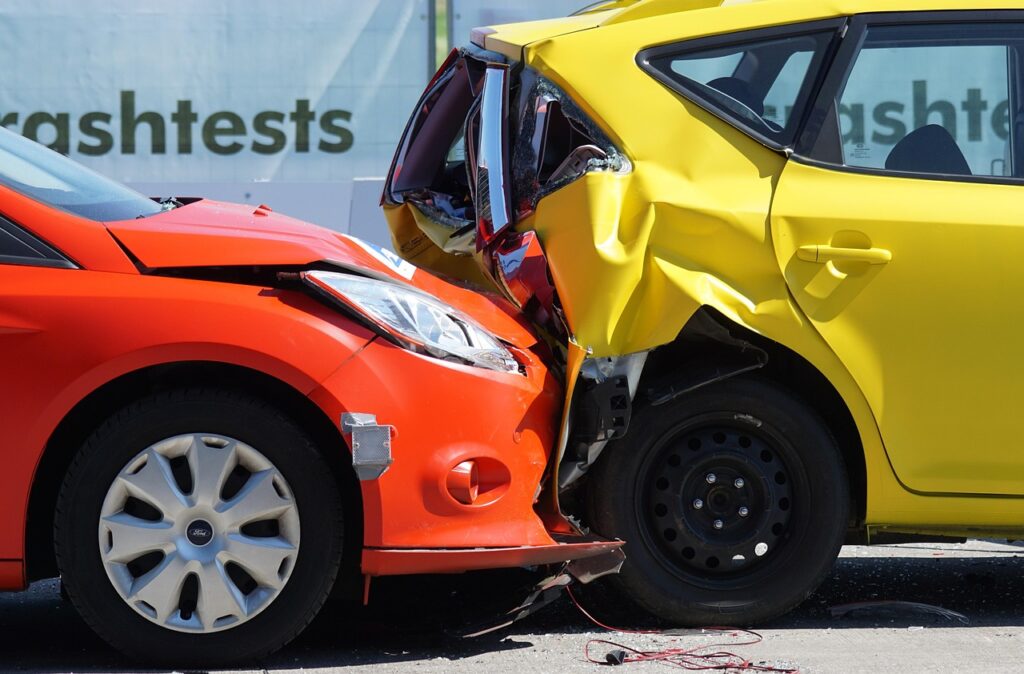
Car wreck without insurance? Here’s what happens and what to do next to avoid bigger problems.
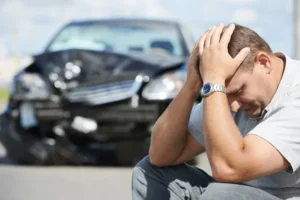
Being involved in a car wreck can be stressful, but when you’re uninsured, the situation becomes even more complicated. Understanding the consequences of driving without insurance is crucial, as it can lead to severe financial and legal repercussions.

If you’ve been in an uninsured motorist accident, knowing your legal options is vital. You may still be able to recover damages, but the process can be complex. It’s essential to stay calm and informed to navigate this challenging situation effectively.
Key Takeaways
- Understand the legal and financial consequences of being in a car wreck without insurance.
- Know your legal options after being involved in an uninsured motorist accident.
- Learn how to navigate the complex process of recovering damages.
- Discover the importance of being informed about your rights.
- Stay calm and take the necessary steps to protect your interests.
The Reality of Car Wreck Without Insurance
The prevalence of uninsured drivers on American roads is a significant concern for insured drivers and law enforcement alike. Despite the legal requirements for vehicle insurance in most states, a substantial number of drivers choose to or are unable to comply.
Statistics on Uninsured Drivers in America
According to recent statistics, approximately 1 in 8 drivers in the United States is uninsured. This translates to around 12.6% of all drivers, or roughly 13 million people, operating vehicles without any insurance coverage.
Why People Drive Without Insurance
There are several reasons why individuals drive without insurance. Two primary factors are:
- Financial Constraints: Many people cannot afford the premiums, especially those with lower incomes.
- Lack of Understanding About Requirements: Some drivers may not fully understand the insurance requirements or the consequences of driving uninsured.
Financial Constraints
Financial constraints are a significant barrier to obtaining insurance. For many, the cost of premiums is too high, leading them to forgo insurance altogether.
Lack of Understanding About Requirements
A lack of understanding about insurance requirements and the potential penalties for not having insurance also contributes to the number of uninsured drivers.
Minimum Coverage Requirements by State
It’s crucial to note that minimum coverage requirements vary significantly by state. For instance, some states require drivers to have liability coverage that includes bodily injury and property damage, while others may have additional requirements.
Understanding these requirements is key to avoiding the legal and financial consequences of driving without insurance.
Immediate Steps to Take After an Accident Without Insurance
If you’ve been in a car wreck without insurance, understanding the immediate actions to take is crucial for minimizing potential consequences. The moments following an accident are critical, and your response can significantly impact the outcome.
Safety First: Securing the Accident Scene
Ensuring your safety and the safety of others is the top priority. Move to a safe location if the accident happened on a busy road, and turn on hazard lights to alert other drivers. Check for injuries and provide assistance if needed.

Documenting the Accident Properly
Proper documentation is vital for insurance claims and legal proceedings. This involves taking photos, collecting witness information, and recording details about the accident.
Taking Photos and Videos
Capture images of the accident scene, including vehicle damage, road conditions, and any relevant signage. Videos can provide additional context, such as the environment and traffic conditions.
Collecting Witness Information
Gather contact details from witnesses, as their testimonies can be invaluable. Ensure you get their names, phone numbers, and any other relevant information.
What to Say (and Not Say) to Other Parties
When communicating with other parties involved, be cautious about what you say. Avoid admitting fault or making statements that could be interpreted as liability. Stick to the facts and let the authorities handle the assessment.
| Action | Description | Importance Level |
|---|---|---|
| Move to a safe location | Prevent further accidents or injuries | High |
| Document the scene | Photos, videos, and witness statements | High |
| Exchange information | Contact and insurance details with other parties | Medium |
| Report the accident | Notify the police and your state’s DMV if required | High |
Legal Consequences of Driving Uninsured
The legal consequences of driving uninsured are far-reaching and potentially devastating. When you’re caught driving without insurance, the repercussions can extend beyond fines and penalties, affecting your driving privileges, financial stability, and even your freedom in some cases.
Criminal Penalties and Fines
Driving without insurance is considered a serious offense in many states. If you’re caught, you could face significant fines. For instance, in California, the fine for a first offense can be as high as $500. Moreover, repeated offenses can lead to increased fines and even criminal charges.
License Suspension and Vehicle Impoundment
In addition to fines, driving uninsured can result in the suspension of your driver’s license. The duration of the suspension varies by state but can last several months or even years for repeat offenders. Furthermore, your vehicle might be impounded, adding towing and storage fees to your financial burden.
SR-22 Requirements and Insurance Rate Increases
After being caught driving without insurance, you may be required to file an SR-22 form, which is a certificate of financial responsibility. This form is usually required for several years and can significantly increase your insurance premiums.
How Long SR-22 Stays on Your Record
The duration for which an SR-22 stays on your record varies by state, typically ranging from three to five years. During this time, your insurance rates are likely to be higher due to the perceived higher risk.
Cost Implications for Future Coverage
The cost implications of driving uninsured extend beyond the immediate fines and penalties. Being labeled as a high-risk driver due to an SR-22 requirement can lead to increased insurance premiums for years to come. It’s essential to understand these long-term financial consequences.
| State | Fine for 1st Offense | License Suspension |
|---|---|---|
| California | $100-$500 | Up to 1 year |
| Texas | $175-$350 | Up to 2 years |
| Florida | $150-$500 | Up to 3 years |

Understanding the legal consequences of driving uninsured is crucial for making informed decisions about your vehicle and insurance coverage. The potential penalties and long-term financial impacts make it clear that driving without insurance is a risk not worth taking.
Financial Responsibility Laws and Your Liability
Understanding financial responsibility laws is crucial when you’re involved in a car accident without insurance. These laws vary by state but generally require drivers to demonstrate their ability to cover damages in the event of an accident.
Personal Liability for Property Damage
When you’re at fault in an accident and don’t have insurance, you may be held personally liable for property damage. This can include damage to other vehicles, buildings, or other types of property.
- Repair or replacement costs for damaged property
- Potential lawsuits from parties seeking compensation
- Financial strain due to unforeseen expenses
Medical Expenses and Bodily Injury Costs
Medical expenses can quickly escalate following a car accident. Without insurance, you’re personally responsible for these costs, which can include:
- Emergency medical treatment
- Ongoing care and rehabilitation
- Compensation for lost wages due to injury
Long-term Financial Consequences
The financial consequences of being in a car accident without insurance can be long-lasting. Two significant long-term considerations are:
Impact on Credit Score
Unpaid debts resulting from an accident can negatively affect your credit score. A lower credit score can limit your ability to secure loans or credit in the future.
Bankruptcy Considerations
In extreme cases, the financial burden of an uninsured accident may lead to bankruptcy. This can have long-term effects on your financial health and creditworthiness.
When You’re At Fault in an Uninsured Accident
When you’re involved in a car wreck without insurance and are at fault, the consequences can be severe. The absence of insurance coverage not only complicates the situation but also exposes you to significant financial and legal risks.
Potential Lawsuits and Court Judgments
If you’re at fault in an accident and don’t have insurance, the other party may sue you to recover damages. This could result in a court judgment against you, which can have long-lasting effects on your financial stability.
Wage Garnishment and Asset Seizure Risks
A court judgment can lead to wage garnishment, where a portion of your income is deducted to pay off the debt. Additionally, your assets may be at risk of seizure to satisfy the judgment. It’s crucial to understand that these consequences can affect your financial health for years to come.
Payment Plans and Settlement Options
Negotiating a payment plan or settlement with the other party can help mitigate some of the financial burdens. This can involve working out a schedule to pay off the damages over time or coming to a lump sum agreement.
Negotiating with the Other Party
When negotiating with the other party, it’s essential to be transparent about your financial situation and to propose a realistic payment plan. Having a clear and reasonable plan can facilitate an agreement.
Working with Collection Agencies
If the other party involves a collection agency, you may need to work with them to settle the debt. Understanding your rights and the laws governing debt collection can help you navigate this process.
| Consequence | Description | Potential Impact |
|---|---|---|
| Lawsuits | Legal action taken by the other party to recover damages | Financial liability, court judgments |
| Wage Garnishment | Deductions from your income to pay off debt | Reduced take-home pay, financial strain |
| Asset Seizure | Seizure of assets to satisfy a court judgment | Loss of property, financial instability |
When You’re Not At Fault But Lack Insurance
Not having insurance when you’re not at fault in an accident doesn’t mean you’re without options. Being involved in a car wreck without insurance can be financially and emotionally challenging, but understanding your rights and the steps you can take is crucial.
Your Rights Despite Being Uninsured
Even without insurance, you have the right to seek compensation for damages and injuries sustained in an accident that wasn’t your fault. It’s essential to know that you can still file a claim against the at-fault driver’s insurance company.
Pursuing Compensation from the At-Fault Driver
If you’ve been hit by an uninsured driver, pursuing compensation can be more complicated, but it’s not impossible. You may need to take legal action against the at-fault driver personally. Understanding the process of dealing with an uninsured motorist accident is vital in these situations.
Common Challenges in Recovery Efforts
Recovering damages without insurance involves several challenges. Two significant hurdles include dealing with insurance adjusters and proving damages without medical insurance.
Dealing with Insurance Adjusters
Insurance adjusters may try to minimize your claim. It’s crucial to be prepared to negotiate and potentially seek legal advice to ensure you receive fair compensation.
Proving Damages Without Medical Insurance
Proving damages without the backing of medical insurance can be difficult. Keeping detailed records of your medical expenses and any lost wages due to the accident is essential in building a strong case.
In conclusion, being involved in a car wreck without insurance when you’re not at fault requires careful navigation of the situation. Understanding your rights and the potential challenges can help you make informed decisions and seek the compensation you’re entitled to.
Options When Hit by an Uninsured Driver
When involved in a car accident with an uninsured driver, understanding your options is crucial for seeking compensation. Being hit by a driver without insurance can lead to a complex situation, but knowing your rights and the available avenues for recovery can make a significant difference.
Understanding Uninsured Motorist Coverage
Uninsured motorist coverage is a type of insurance that protects you if you’re hit by a driver who doesn’t have insurance. This coverage can help pay for medical expenses, lost wages, and other damages. It’s essential to review your insurance policy to see if you have this coverage.
Filing a Personal Injury Lawsuit
If you’re hit by an uninsured driver, filing a personal injury lawsuit against the at-fault driver might be necessary to seek compensation. This legal action can help you recover damages, but it’s crucial to understand the potential challenges and outcomes of such a lawsuit.
Alternative Dispute Resolution Methods
Alternative dispute resolution (ADR) methods, such as mediation and arbitration, can provide a less confrontational and often less expensive way to resolve disputes related to uninsured motorist claims.
Mediation Benefits
Mediation involves a neutral third party who helps facilitate a discussion between you and the other party to reach a mutually acceptable agreement. The benefits of mediation include its informal nature, cost-effectiveness, and the potential for a quicker resolution.
Arbitration Processes
Arbitration is a process where a neutral third party makes a binding decision after hearing both sides. It’s generally more formal than mediation but still often less formal than going to court. Understanding the arbitration process can help you prepare for this alternative dispute resolution method.
| Resolution Method | Characteristics | Benefits |
|---|---|---|
| Mediation | Neutral facilitator, non-binding | Cost-effective, quicker resolution |
| Arbitration | Neutral decision-maker, binding | Less formal than court, final decision |
State-Specific Laws and Penalties
State laws concerning uninsured drivers vary significantly across the United States. This variation means that the consequences of driving without insurance can differ dramatically depending on where you live.
No-Fault vs. At-Fault Insurance Systems
One of the primary differences in state laws is whether they operate under a no-fault or at-fault insurance system. In no-fault states, drivers are required to carry Personal Injury Protection (PIP) coverage, which pays for their medical expenses regardless of who is at fault in an accident. Currently, there are 12 no-fault states: Florida, Michigan, New Jersey, New York, Pennsylvania, Hawaii, Kansas, Kentucky, Massachusetts, Minnesota, North Dakota, and Utah.
In contrast, at-fault states require drivers to carry liability insurance, which covers damages to others if they are found at fault in an accident. “The distinction between no-fault and at-fault systems is crucial because it affects how claims are processed and the financial responsibility of drivers involved in accidents.”
Variations in Penalties Across States
Penalties for driving without insurance also vary widely across states. Some states impose strict penalties, while others are more lenient.
Strictest State Penalties
States like Michigan and Virginia have some of the toughest penalties. In Michigan, driving without insurance can result in fines of up to $500, license suspension, and vehicle impoundment. Virginia requires an SR-22 filing for uninsured drivers, which can significantly increase insurance rates when they eventually obtain coverage.
More Lenient State Approaches
On the other hand, some states have more lenient approaches. For example, New Hampshire does not require drivers to carry auto insurance if they can demonstrate financial responsibility.
Electronic Insurance Verification Systems
Many states have implemented electronic insurance verification systems to track whether drivers have valid insurance coverage. These systems help law enforcement identify uninsured drivers during traffic stops or after accidents. “Electronic verification systems are a game-changer in the fight against uninsured driving, making it harder for drivers to evade the law.”
In conclusion, understanding the specific laws and penalties in your state is essential for avoiding the serious consequences of driving without insurance. Drivers should familiarize themselves with their state’s requirements to stay compliant and avoid financial hardship.
Finding Affordable Insurance Coverage
Car insurance is a necessity, but it doesn’t have to be a financial burden; exploring various avenues can lead to more affordable rates. With the right strategies and knowledge, drivers can secure the coverage they need without breaking the bank.
Government-Assisted Insurance Programs
Some states offer government-assisted insurance programs for low-income individuals or those who have been denied coverage by private insurers. These programs aim to ensure that everyone has access to the minimum required insurance coverage.
High-Risk Insurance Pools
For drivers considered high-risk due to past accidents or violations, high-risk insurance pools provide an option. Although premiums may be higher, these pools offer a way to comply with state insurance requirements.
Tips for Reducing Premium Costs
Reducing premium costs involves a combination of good driving habits, vehicle selection, and shopping around. Here are some strategies:
- Maintain a clean driving record
- Choose a vehicle with a good safety rating
- Bundle insurance policies
Discount Opportunities
Many insurers offer discounts for various reasons, such as being a good student, having a certain profession, or completing a defensive driving course. It’s essential to inquire about available discounts when shopping for insurance.
Comparison Shopping Strategies
Comparing quotes from multiple insurers is crucial. Online tools and brokers can simplify this process, helping drivers find the most affordable options that meet their needs.
| Insurance Type | Average Cost | Potential Discounts |
|---|---|---|
| Liability Only | $500/year | Good driver discount |
| Full Coverage | $1,200/year | Multi-policy discount |
Conclusion: Protecting Yourself and Your Financial Future
A car wreck without insurance can be a financially devastating experience. The discussions throughout this article have highlighted the importance of understanding the risks and consequences associated with driving uninsured. Protecting your financial future requires being prepared for the unexpected.
In the event of a car wreck without insurance, the financial burden can be significant. Uninsured motorist accidents can lead to costly medical expenses, property damage, and potential lawsuits. It’s essential to consider the long-term implications of driving without insurance and take proactive steps to mitigate these risks.
By understanding the legal and financial consequences of driving uninsured, you can make informed decisions about your insurance coverage. Exploring options for affordable insurance, such as government-assisted programs or high-risk insurance pools, can help ensure you’re protected in case of an accident.
Taking control of your insurance coverage is a crucial step in protecting your financial future. By being prepared and having the right coverage, you can minimize the financial impact of a car wreck without insurance and ensure a more stable financial future.
FAQ
What happens if I’m involved in a car wreck without insurance?
If you’re involved in a car wreck without insurance, you may face severe financial and legal consequences, including fines, license suspension, and personal liability for damages.
Can I still file a claim if I’m not at fault but don’t have insurance?
Yes, you can still file a claim against the at-fault driver’s insurance, but the process can be challenging, and you may need to negotiate with insurance adjusters or consider alternative dispute resolution methods.
What are the penalties for driving without insurance?
Penalties for driving without insurance vary by state but can include fines, license suspension, vehicle impoundment, and SR-22 requirements, which can significantly increase insurance rates.
How can I protect myself financially if I’m hit by an uninsured driver?
To protect yourself, consider purchasing uninsured motorist coverage, which can help cover damages if you’re hit by an uninsured driver. You may also need to file a personal injury lawsuit or explore alternative dispute resolution methods.
What is an SR-22, and how long does it stay on my record?
An SR-22 is a certificate of financial responsibility required for drivers who have been convicted of certain offenses, including driving without insurance. The length of time an SR-22 stays on your record varies by state, typically ranging from three to five years.
Can I get insurance after being caught driving without insurance?
Yes, you can obtain insurance after being caught driving without insurance, but you may be considered a high-risk driver, leading to higher premiums. You may need to file an SR-22 and explore high-risk insurance pools or government-assisted programs.
How can I reduce my insurance premium costs?
To reduce premium costs, consider comparison shopping, taking advantage of discount opportunities, and improving your driving record. You can also explore government-assisted insurance programs or high-risk insurance pools if you’re struggling to find affordable coverage.
What are my options if I’m sued by the other party involved in the accident?
If you’re sued by the other party, you may need to negotiate a settlement, consider payment plans, or work with collection agencies to resolve the debt. It’s essential to seek professional advice to navigate the legal process.
Can driving without insurance affect my credit score?
Yes, driving without insurance can indirectly affect your credit score if you’re involved in an accident and unable to pay damages, leading to a court judgment against you. Unpaid debts or collections can negatively impact your credit score.
What is the difference between no-fault and at-fault insurance systems?
No-fault insurance systems require drivers to carry personal injury protection (PIP) coverage, which pays for their own medical expenses regardless of fault. At-fault systems, on the other hand, require the at-fault driver’s insurance to cover damages.